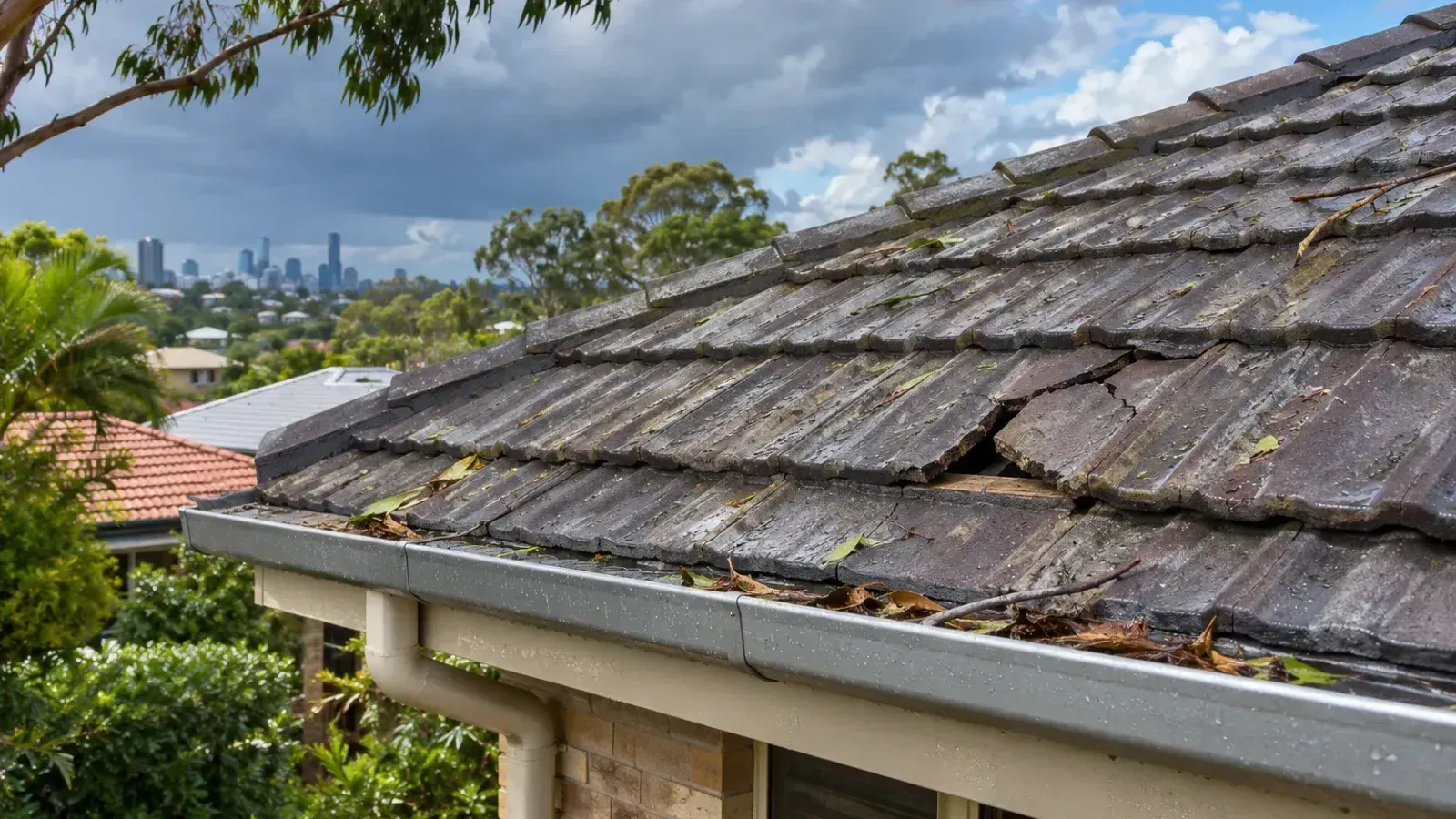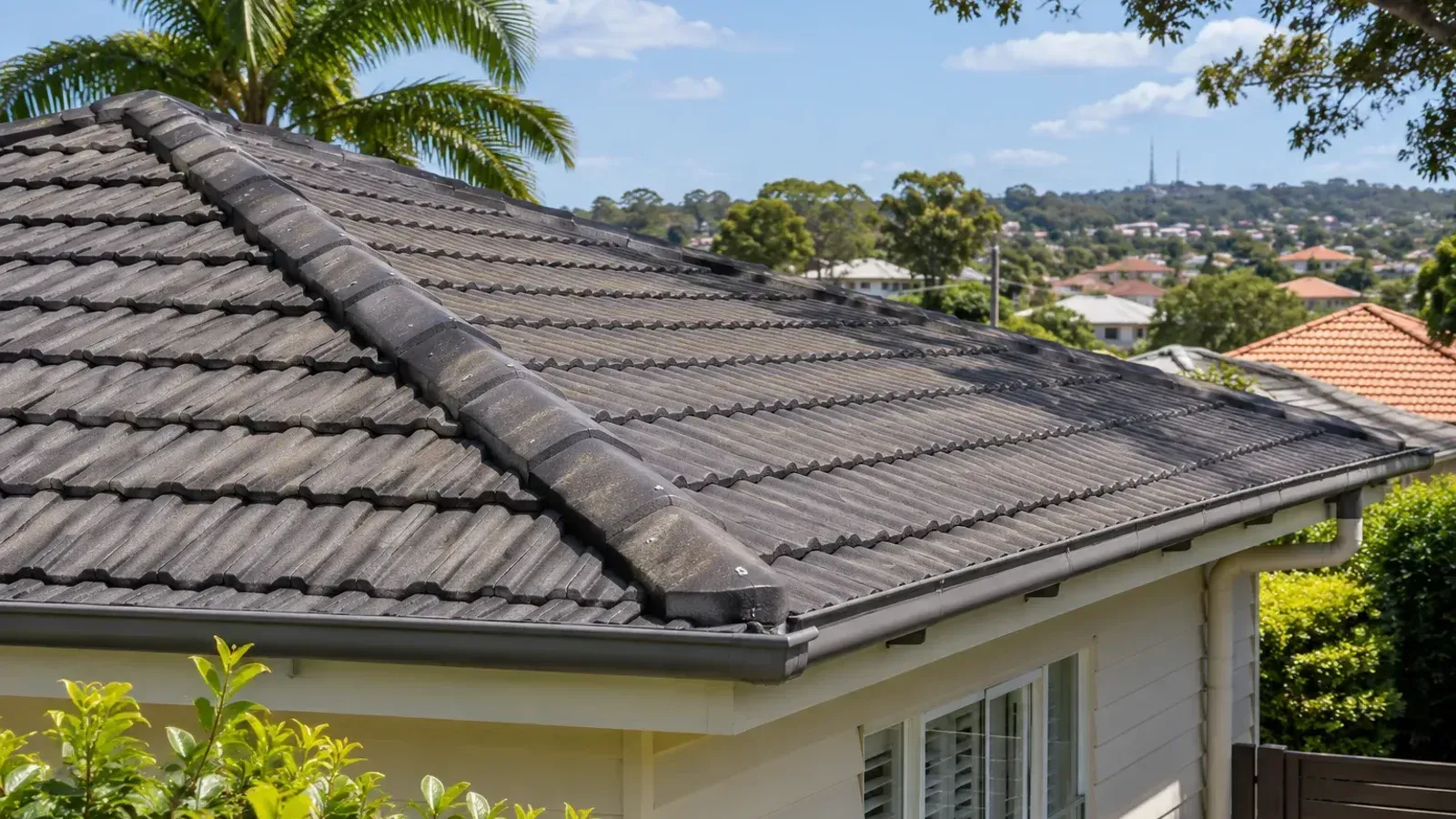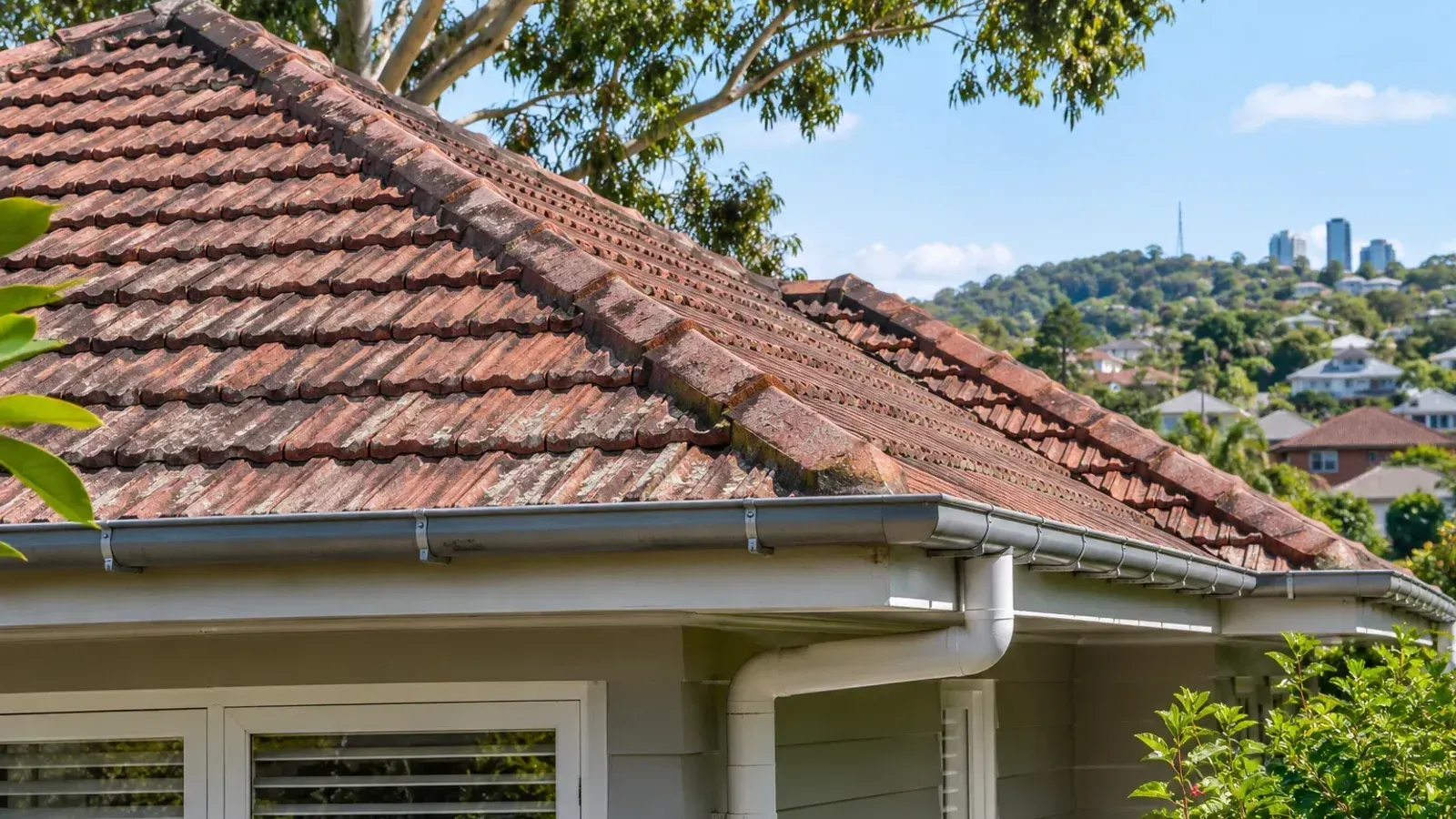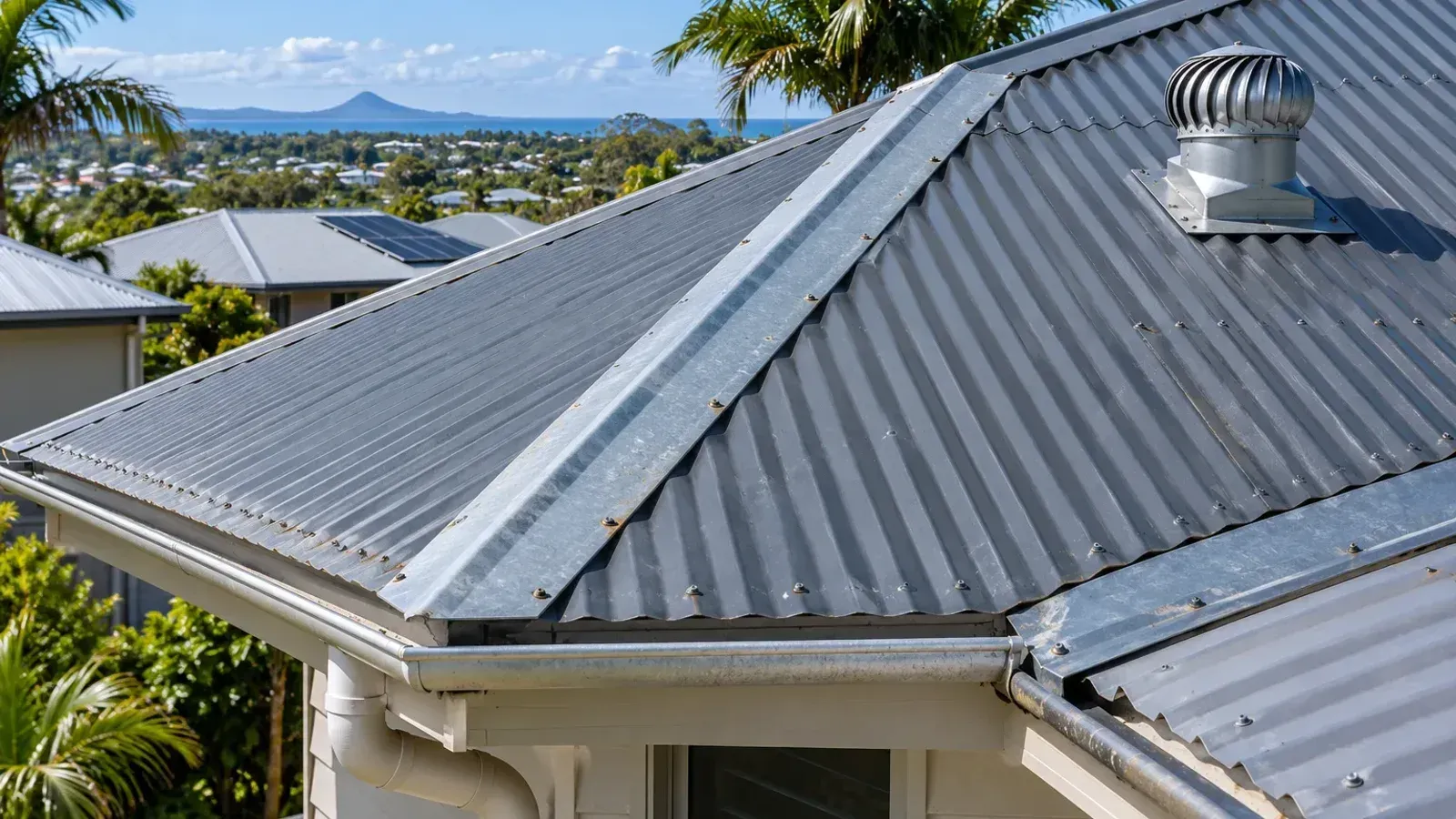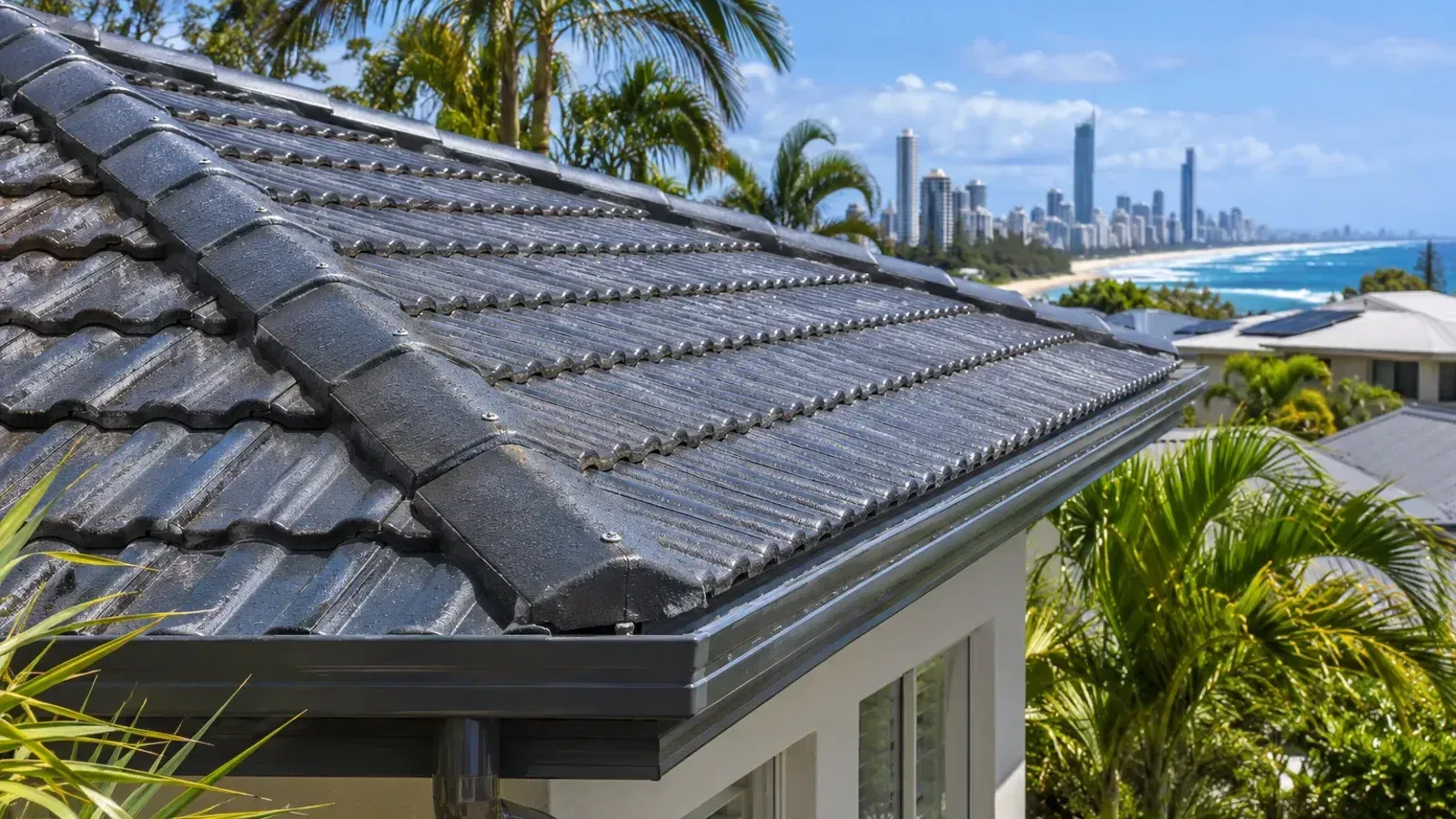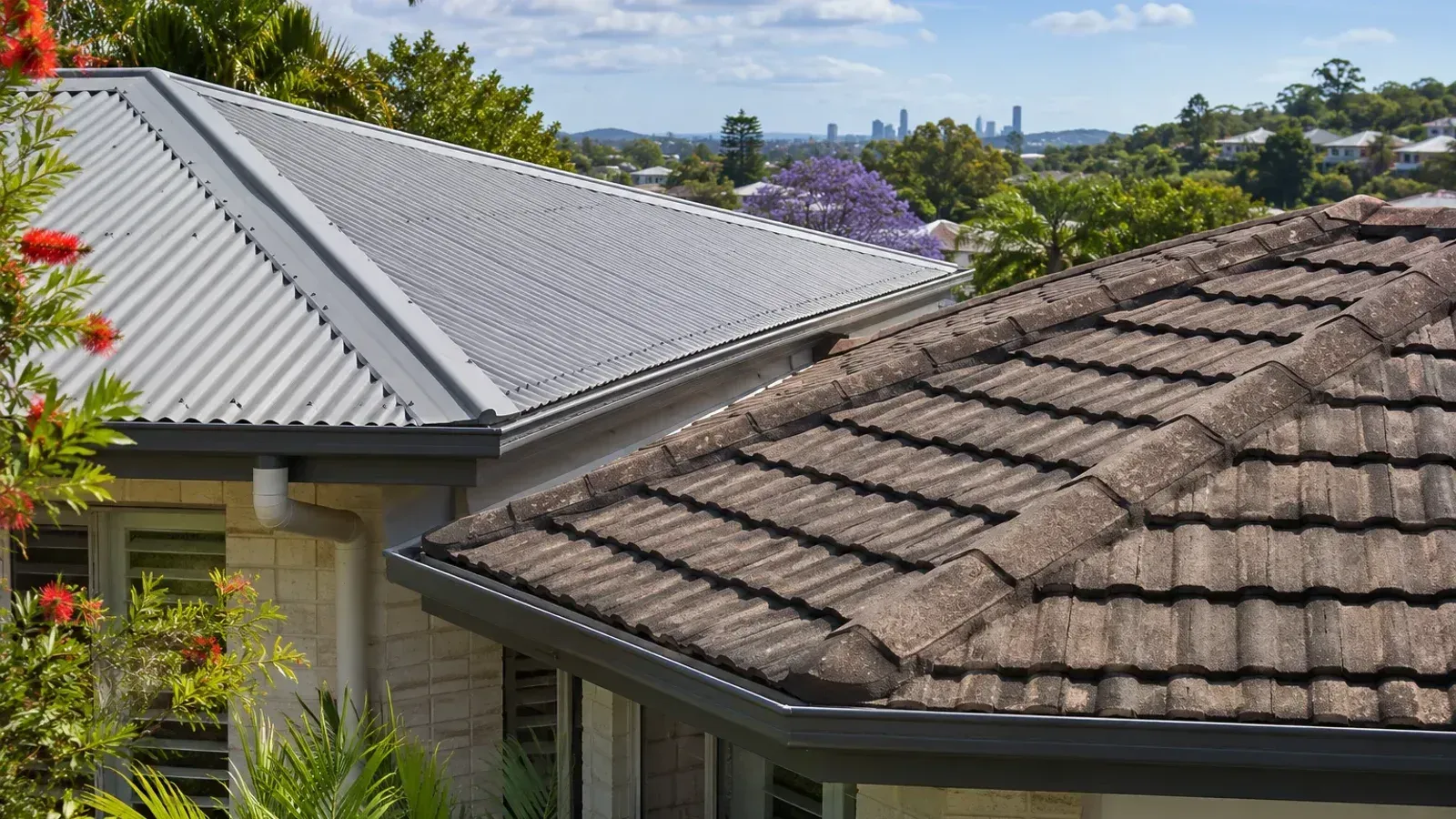
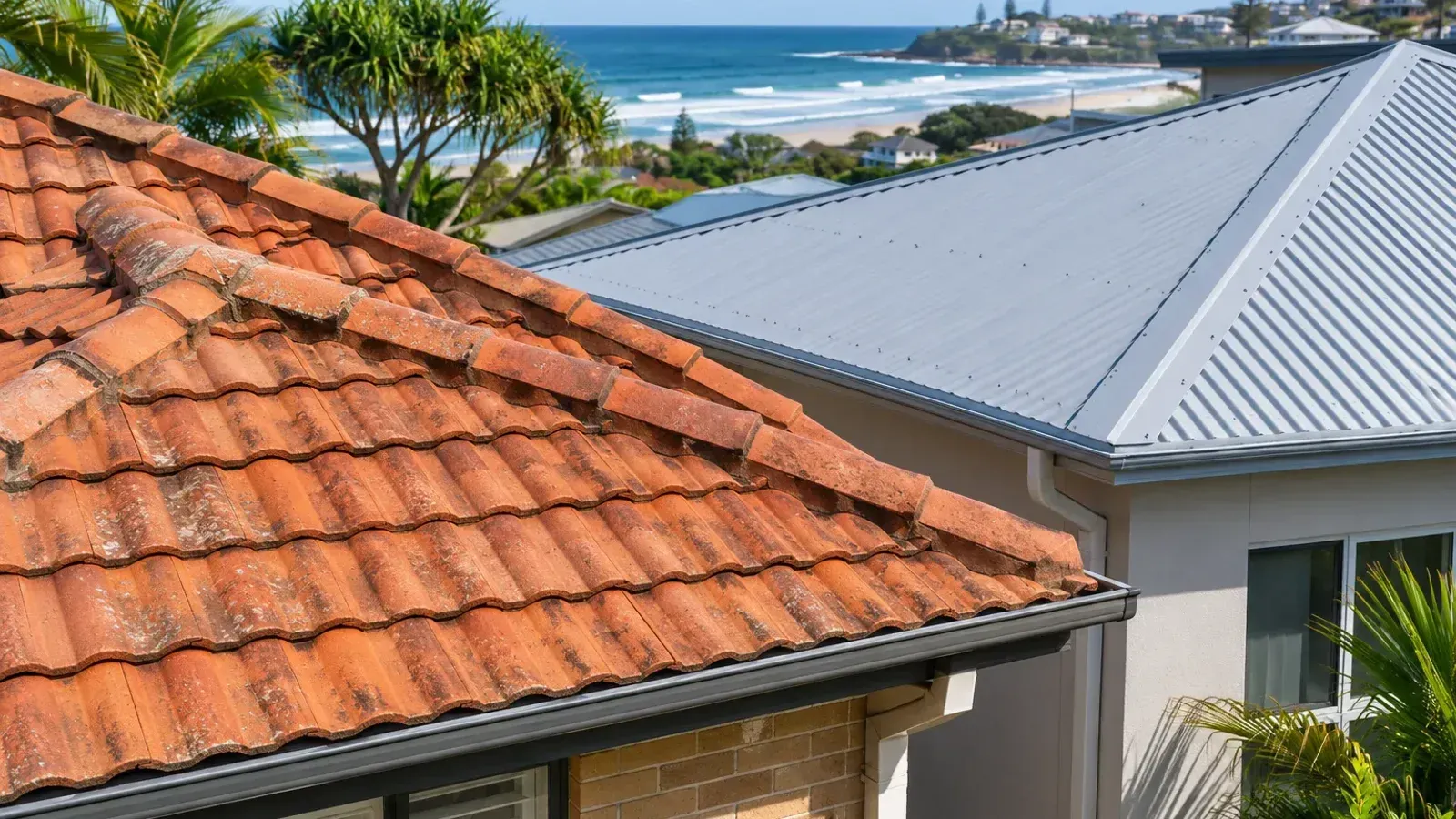
A terracotta or metal roof near the coast will age differently. The tiles themselves do not rust, but a terracotta roof still has metal flashings, valleys and gutters. A steel roof needs attention to the condition of its finish and fixings.
Neither material looks after itself in salt air, and the better choice for one beachside home may not suit the house next door. This guide compares what each covering asks of an owner, what to clarify before choosing a finish, and how repairs and restoration differ between them.
How each material handles salt air
Terracotta is fired clay, so the tile body is not affected by rust. What changes over time is the surface, the bedding and pointing along ridges and hips, and the metal components that sit between tiles. On an older terracotta roof, those metal parts are often where coastal wear first shows.
On a steel roof, the sheet itself is protected by its coating. Salt that settles in sheltered areas, at laps or around fixings can stay damp for longer, and scratches or cut edges expose the steel below. BlueScope's care guidance for COLORBOND® steel explains how the manufacturer suggests owners look after its product.
- Terracotta: watch the ridge bedding and pointing, cracked or slipped tiles, and the condition of valleys and flashings
- Steel: watch the finish, staining around screws, laps and cut edges, and sheltered sections under overhangs
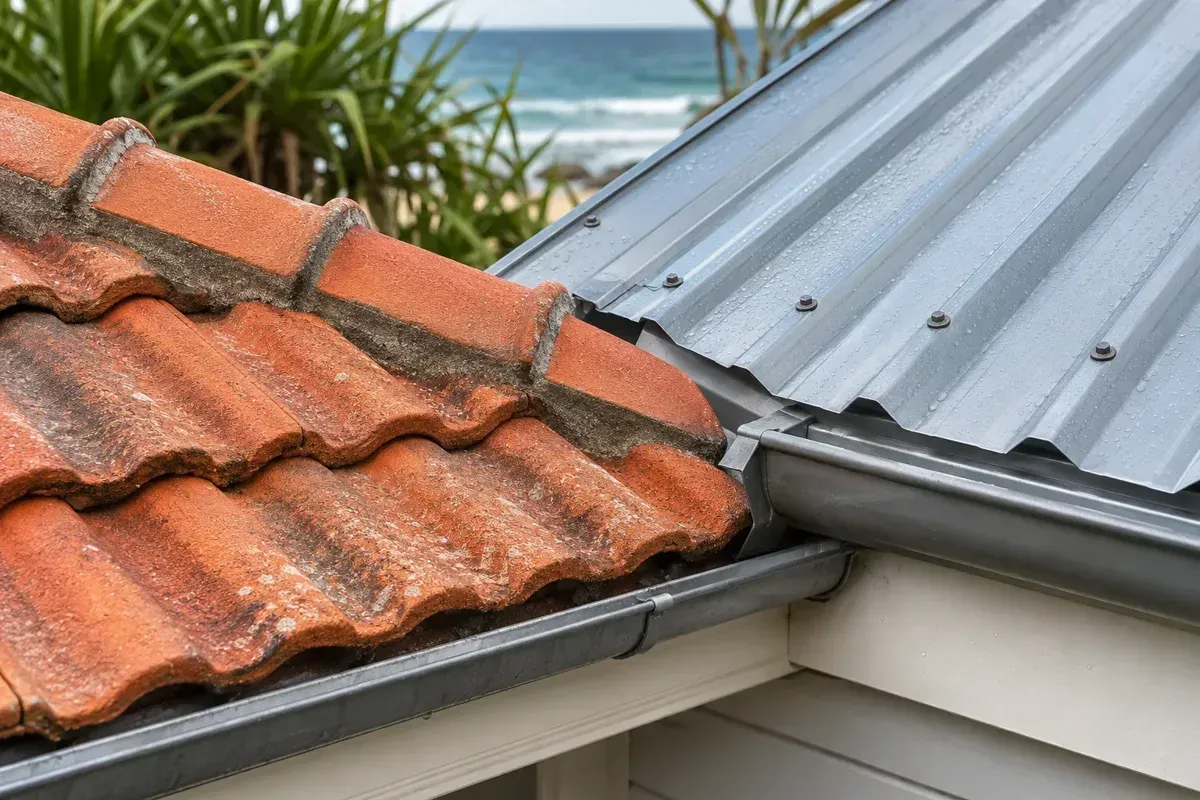
- Both: watch gutters, downpipes and any junction where two materials meet
Check the constraints before choosing a finish
On terracotta, establish the profile and whether the surface is glazed. Glazed and unglazed tiles can need different preparation, and the profile affects whether replacement tiles can be matched. On steel, identify the sheet product and coastal exposure. Ask how this affects compatible repairs, replacement components and future maintenance.
It also helps to confirm what has been done before. A previously painted roof may need a different approach from one with its original finish, and the colour you choose now can shape how wear and staining show later. JMZ's colour charts are a useful starting point when comparing options.
Consider the implications of a material change
A clay tile repair and repainting sound steel are maintenance decisions. Changing the entire roof covering is a different building project. Ask how the proposed system fits the existing structure, pitch, drainage and junctions before comparing it with restoration.
Questions worth asking any contractor include:
- Does the existing frame suit the weight and fixing method of the new covering?
- Will gutters, flashings and valleys also change, and who is responsible for them?
- What happens at walls, skylights and neighbouring roof sections?
- Are approvals or other trades needed, and are they included in the price?
Getting written answers makes it easier to compare a replacement quote fairly against a restoration of the roof you already have.
Which roof is easier to repair locally?
Individual tiles may be replaceable if a matching profile is available. On steel, a defect may involve a longer sheet or a junction. Compare replacement availability and access at the property, including how steep the roof is and whether scaffolding or edge protection is needed.
For a tiled home, minor broken or cracked tiles can often be dealt with during terracotta roof restoration. For a steel roof, repairs to sheets or fixings should be finished first so the coating goes onto sound material. JMZ specialises in roof restoration and membrane painting. Its restoration scope can include minor visible broken, cracked or chipped tiles. Arrange metal roof repairs, sheet replacement or structural work with a suitably qualified roofing contractor before painting. Once those are done, metal roof restoration can be compared on a clear scope.
FAQs
Is terracotta better than metal for a beachside home?
Not in every case. Terracotta tiles do not rust, but the roof still relies on metal flashings and valleys, while steel depends on its finish and fixings. The better fit depends on exposure, the existing structure and how you plan to maintain it.
Can a glazed terracotta roof be painted?
Glazed tiles need careful assessment because the surface affects adhesion. Ask the roofer to explain what preparation and coating they propose and why it suits that tile.
Should I replace a coastal roof instead of restoring it?
Replacement is a larger building project with its own structural and drainage questions. If the existing covering is sound, compare restoration against replacement on the same written scope before deciding.
Choosing a terracotta or metal roof near the coast
A terracotta or metal roof near the coast can both perform well when the right questions are asked about finish, components and repairs. If you are weighing up restoration, request a roof restoration quotation from JMZ.