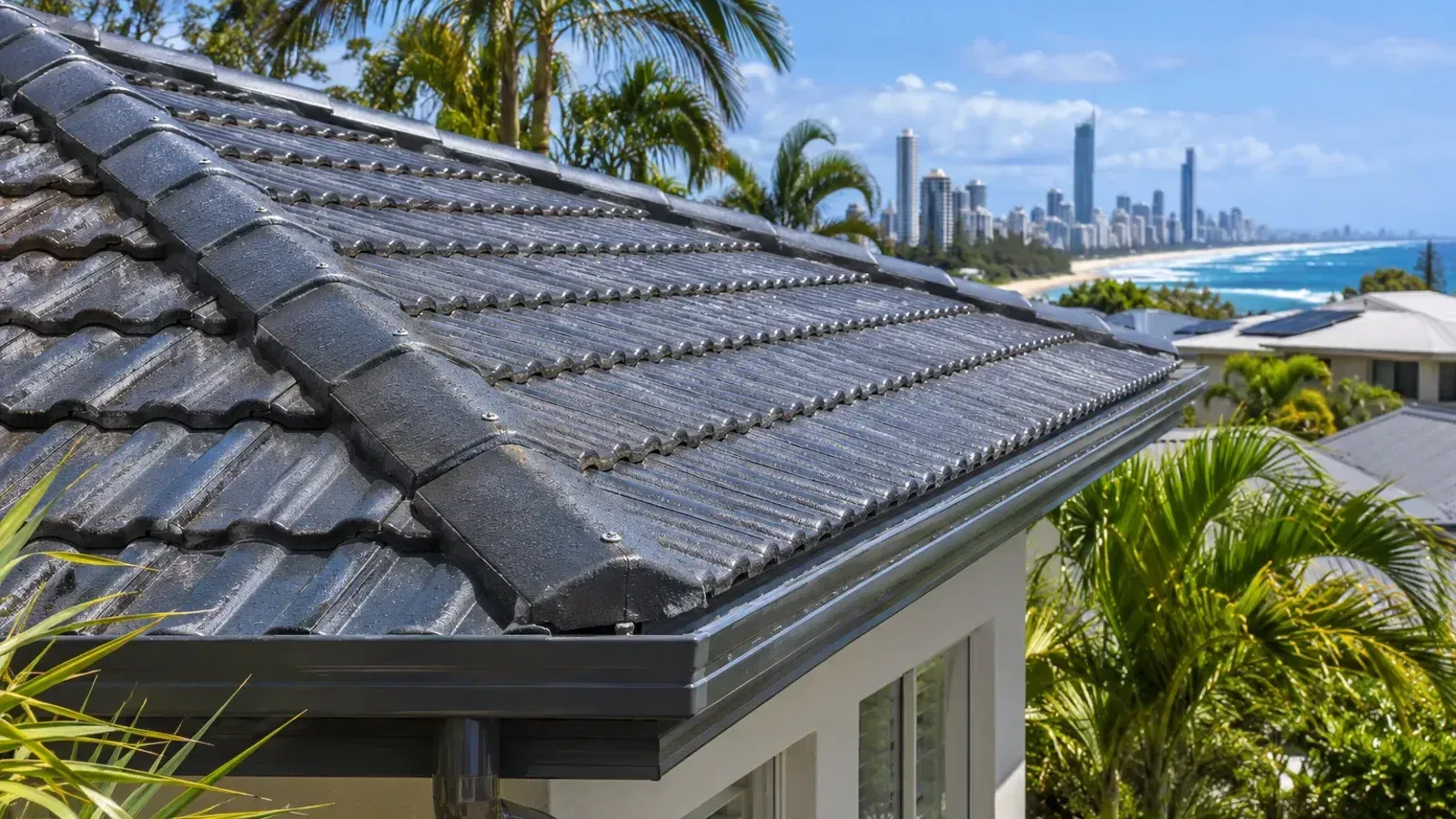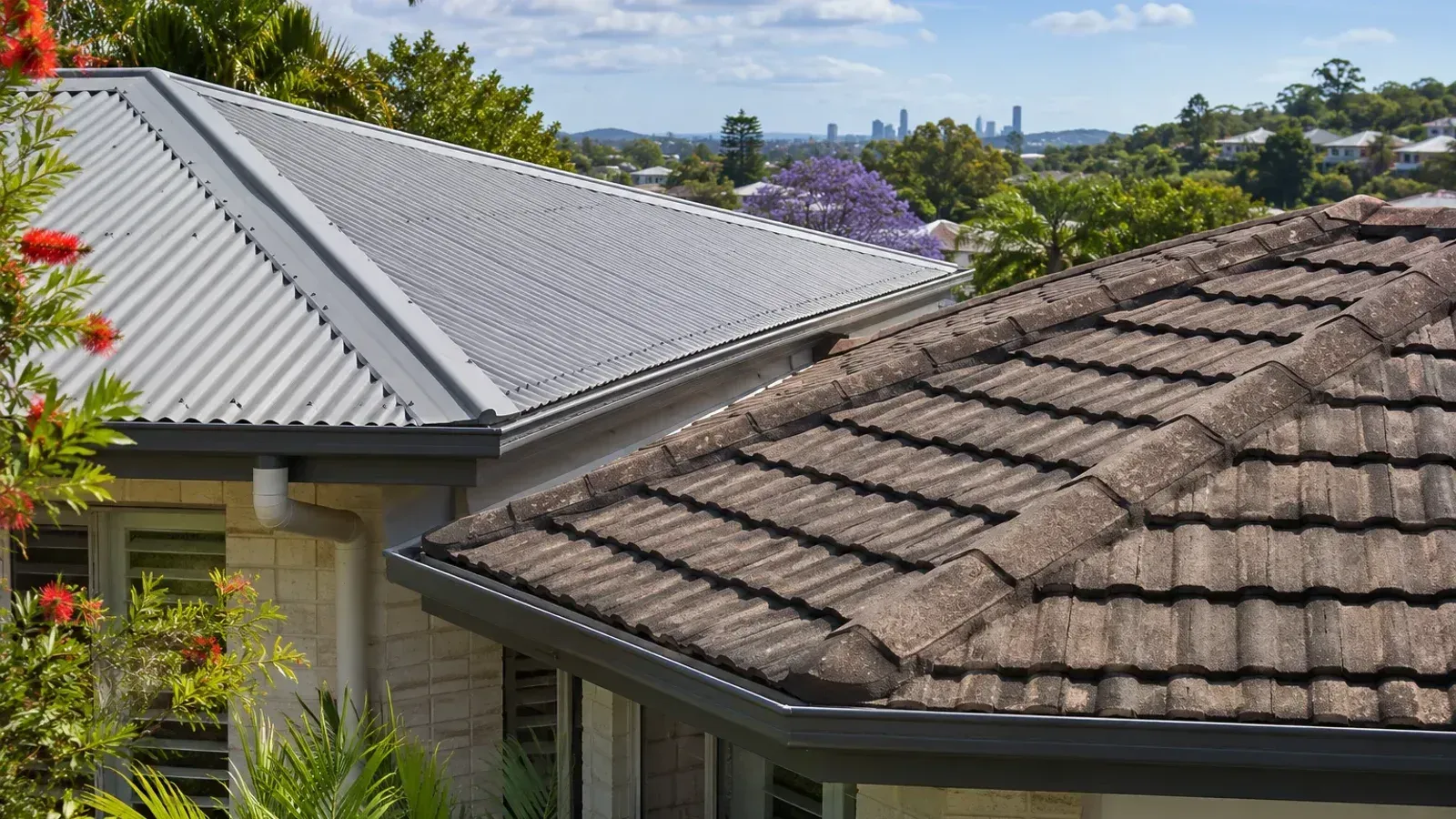
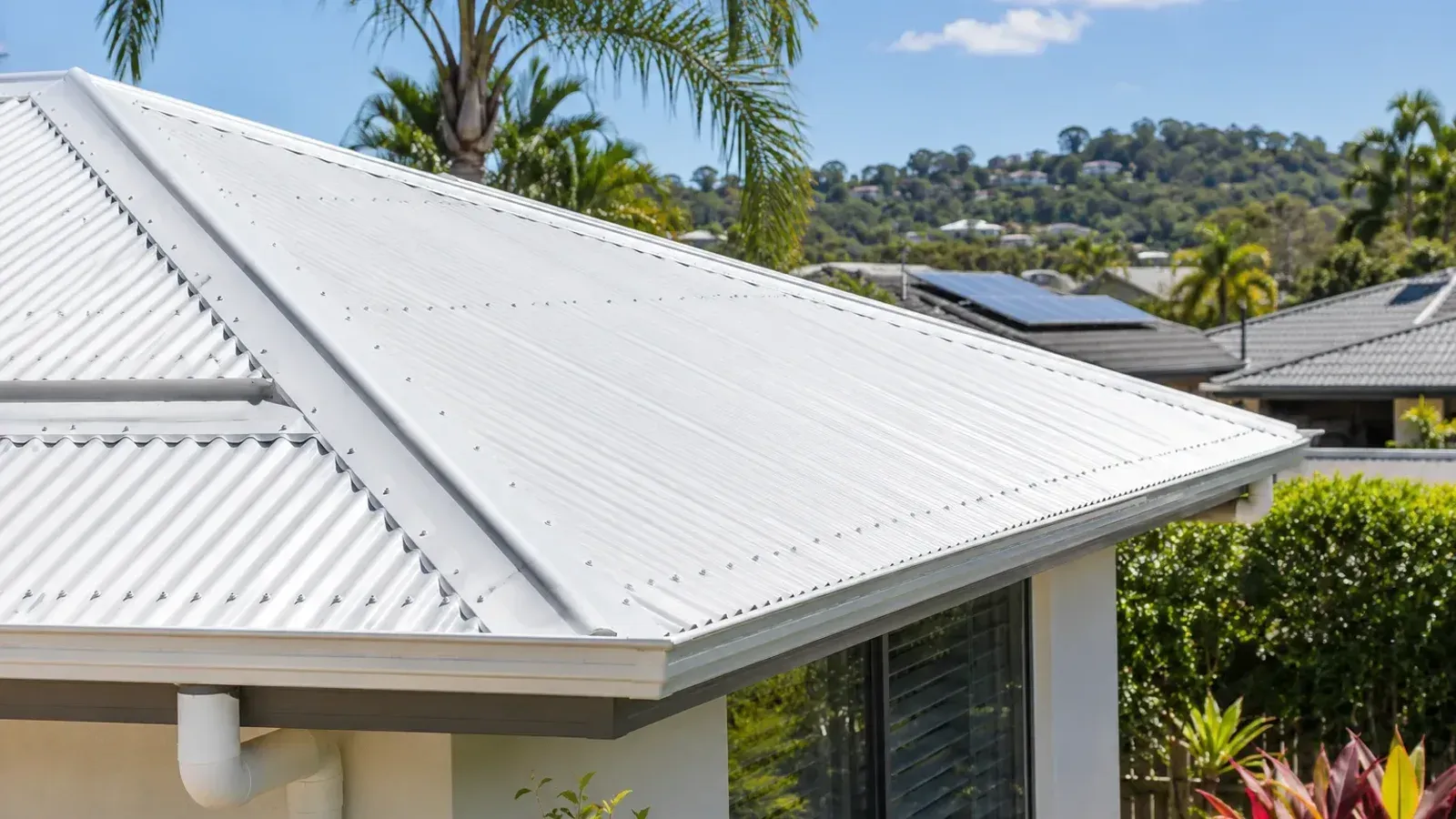
Heat-reflective roof paint can reduce the solar heat a roof absorbs, which may lower cooling demand in some homes. Turning that into a dollar estimate requires information about the building, how it is used and the coating being replaced, so treat any fixed savings figure with caution.
In south-east Queensland, where roofs take strong sun for much of the year, the question often comes up when a restoration is being planned. This guide explains how to read the claims and what to ask before choosing a finish.
How heat-reflective roof paint works
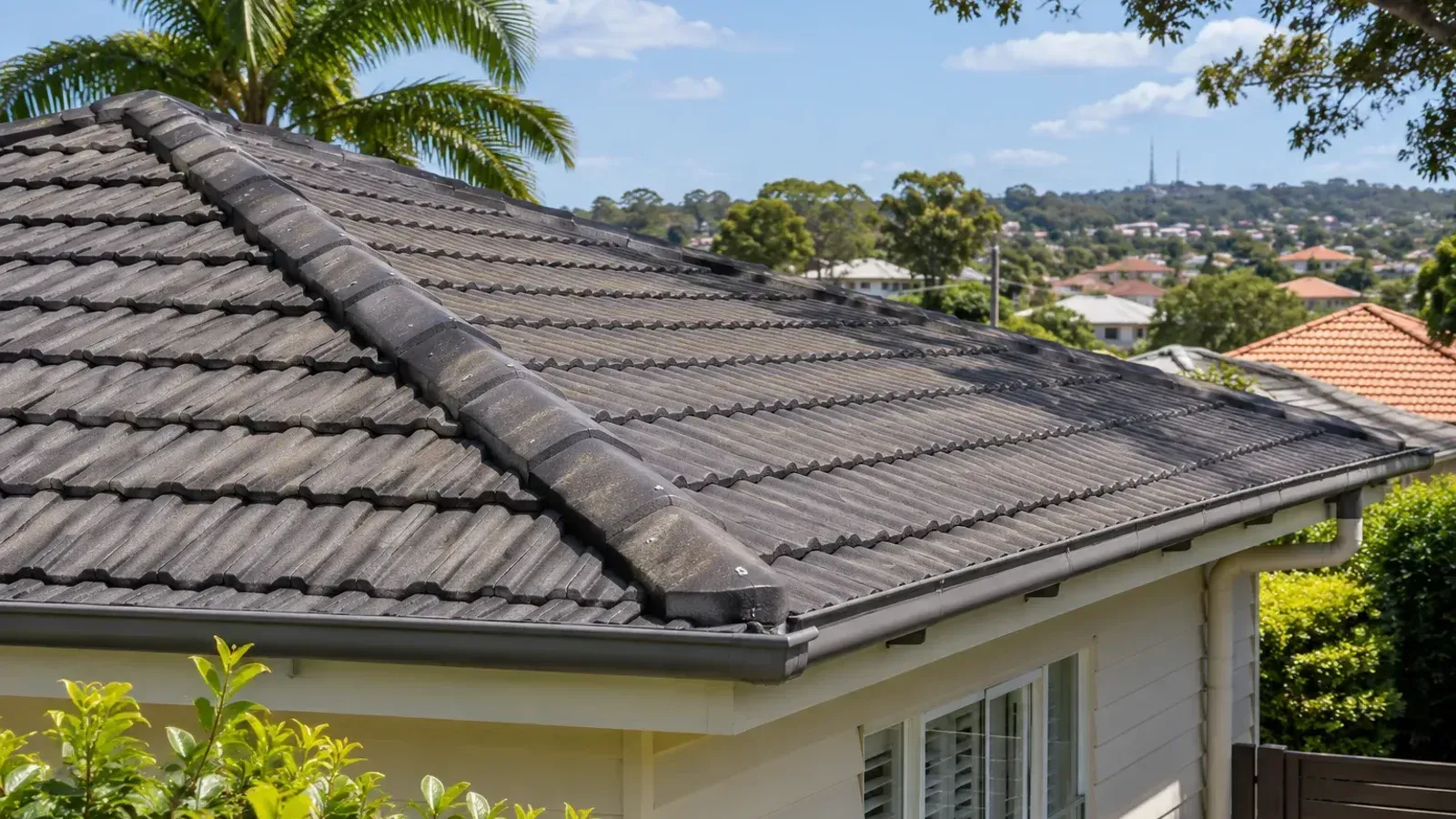
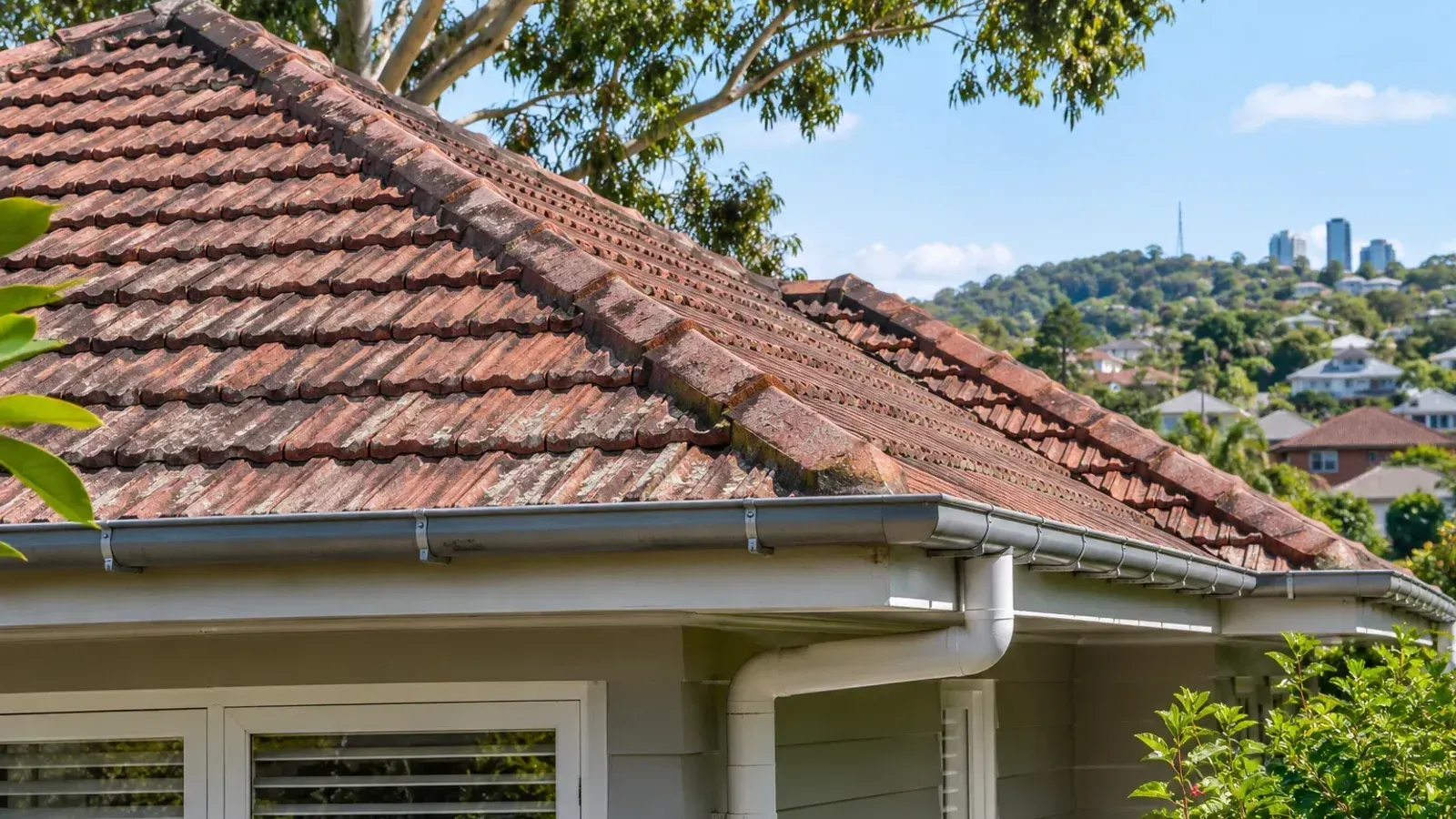
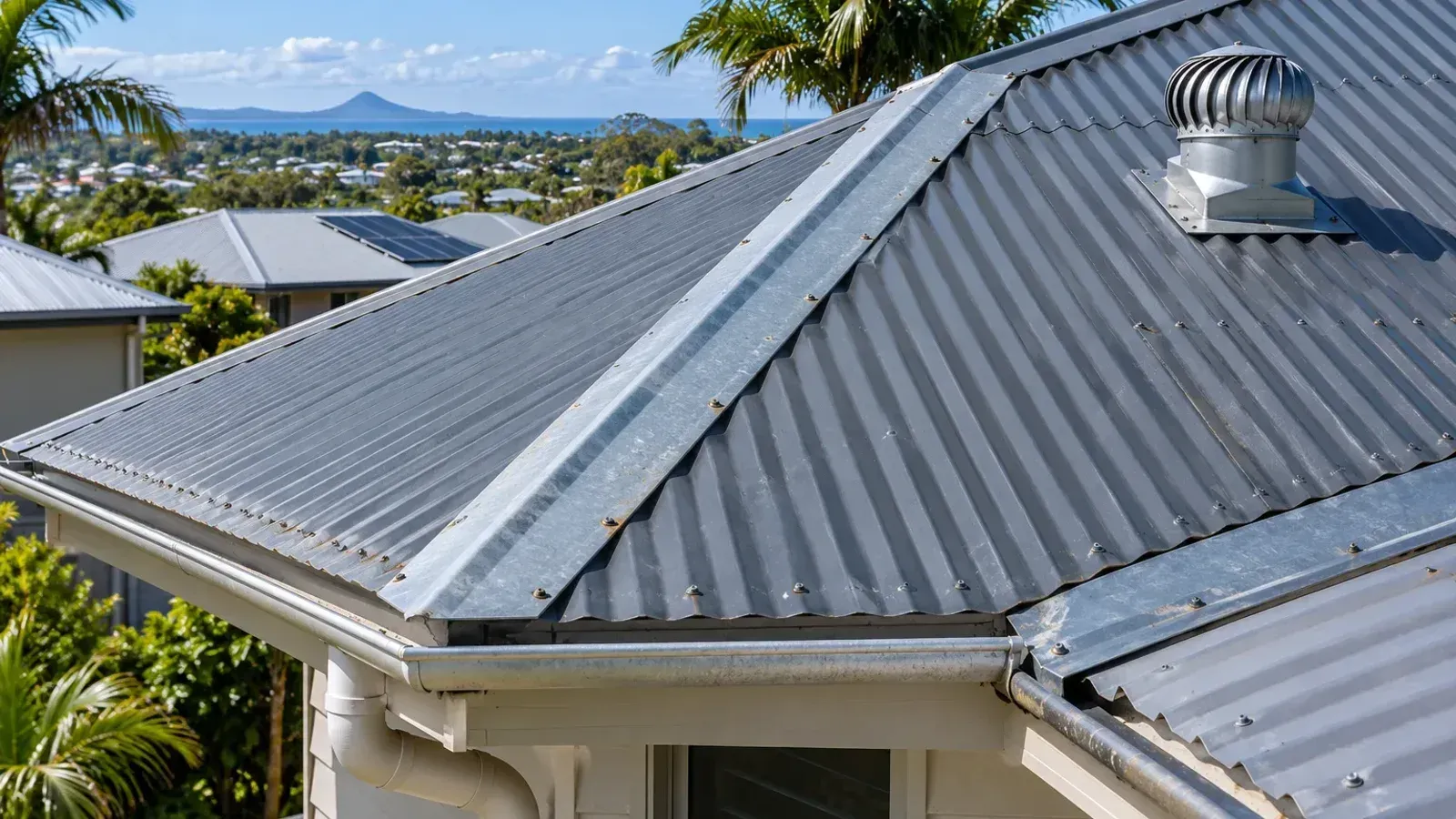
Every roof surface reflects some sunlight and absorbs the rest. The absorbed energy heats the roof, and part of that heat moves into the roof space and then through the ceiling. A finish with higher solar reflectance absorbs less of the incoming sunlight, and lighter colours generally reflect more than dark ones. This applies whether the home has a tiled roof or a metal roof.
How much of that difference reaches the rooms below depends on the house. Ceiling insulation, roof space ventilation, sarking, eaves, shading and window orientation all play a part. A well-insulated home may notice less change in its rooms than one with little ceiling insulation, even if the roof surface itself runs cooler.
Test a savings claim
Request the measured value for the exact product and colour, the comparison finish and the assumptions about insulation and air-conditioning. A laboratory surface result alone cannot predict an individual power bill. Useful questions include:
- What solar reflectance value applies to the colour I am choosing?
- What was the comparison roof: a dark finish, a weathered tile or bare metal?
- What insulation, ceiling and cooling pattern does the estimate assume?
- Was the figure measured on a real building or modelled?
If a supplier cannot answer these, the savings figure is a general illustration rather than an estimate for your home.
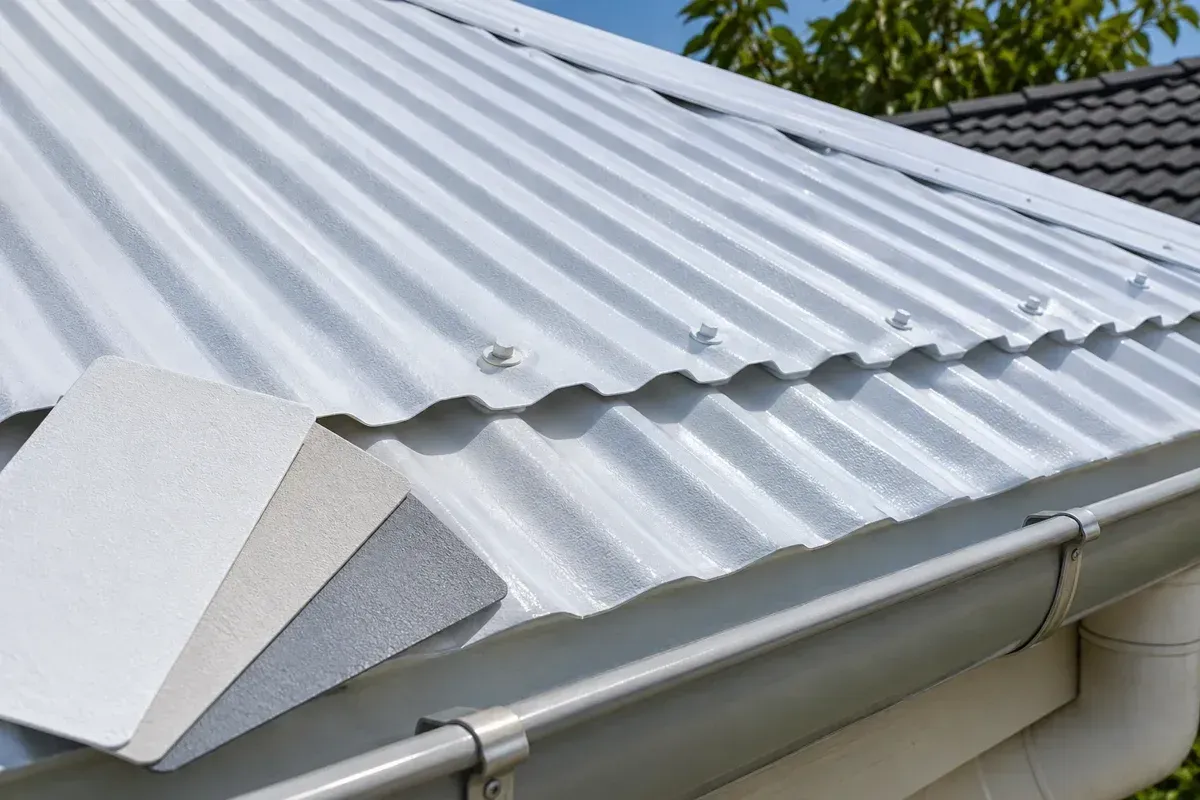
A simple way to read a product claim
If a claim quotes a temperature difference, ask whether it refers to the roof surface, the roof space or a room. Those are distinct measurements, and a large drop at the surface can translate into a much smaller change inside. Also ask what comparison surface, weather and test conditions produced the result.
Reflectance can also change as a roof weathers. Dust, mould and airborne grime build up over time, especially on low-pitched roofs and under trees, so ask whether a quoted figure applies to a new surface or an aged one, and what maintenance the manufacturer recommends.
Choosing a membrane finish with JMZ
For a JMZ membrane paint quotation, ask which Globalcote system suits the surface. Infracote is the heat-reflective option. Elastacote is another roof membrane in the range. Check the specification for the exact finish and colour. You can read the Globalcote product data sheets and compare shades on the JMZ colour charts.
Colour is a balance between reflectance, appearance and practical matters such as how quickly a pale surface shows dirt. Some estates also have rules about roof colours, so check before deciding.
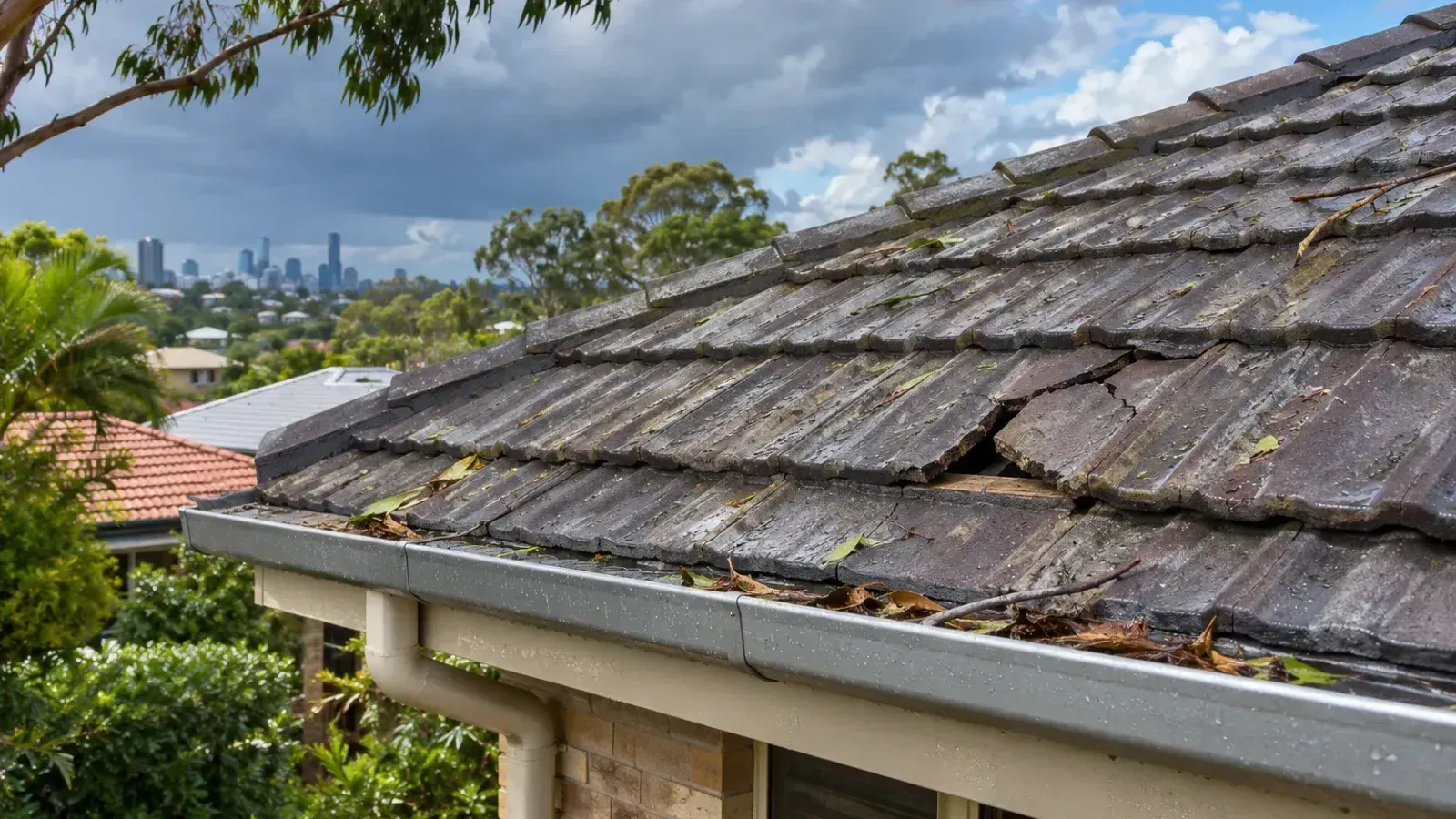
A coating only performs as intended on a sound roof. JMZ specialises in roof restoration and membrane painting. Its restoration scope can include minor visible broken, cracked or chipped tiles. Arrange metal roof repairs, sheet replacement or structural work with a suitably qualified roofing contractor before painting.
FAQs
Are published test results a household savings estimate?
No. Test results describe a product under stated conditions. A useful estimate also needs a reference roof, the building and its cooling pattern.
Does a lighter colour matter more than the product?
Colour has a large effect on how much sunlight a surface absorbs, but products and pigments differ too. Compare the published values for the specific product and colour rather than assuming two pale finishes perform the same.
Should I upgrade insulation instead?
It depends on what the home already has. The Your Home guide to insulation and heat transfer explains how roofs, ceilings and walls gain heat, which helps you weigh a roof finish against other measures.
Is a reflective finish worth it?
Heat-reflective roof paint can be a sensible choice when a sound roof already needs recoating, but any saving depends on the house as much as the product. Ask for measured values and clear assumptions, look at finished work in the JMZ gallery, and request a roof restoration quotation from JMZ.