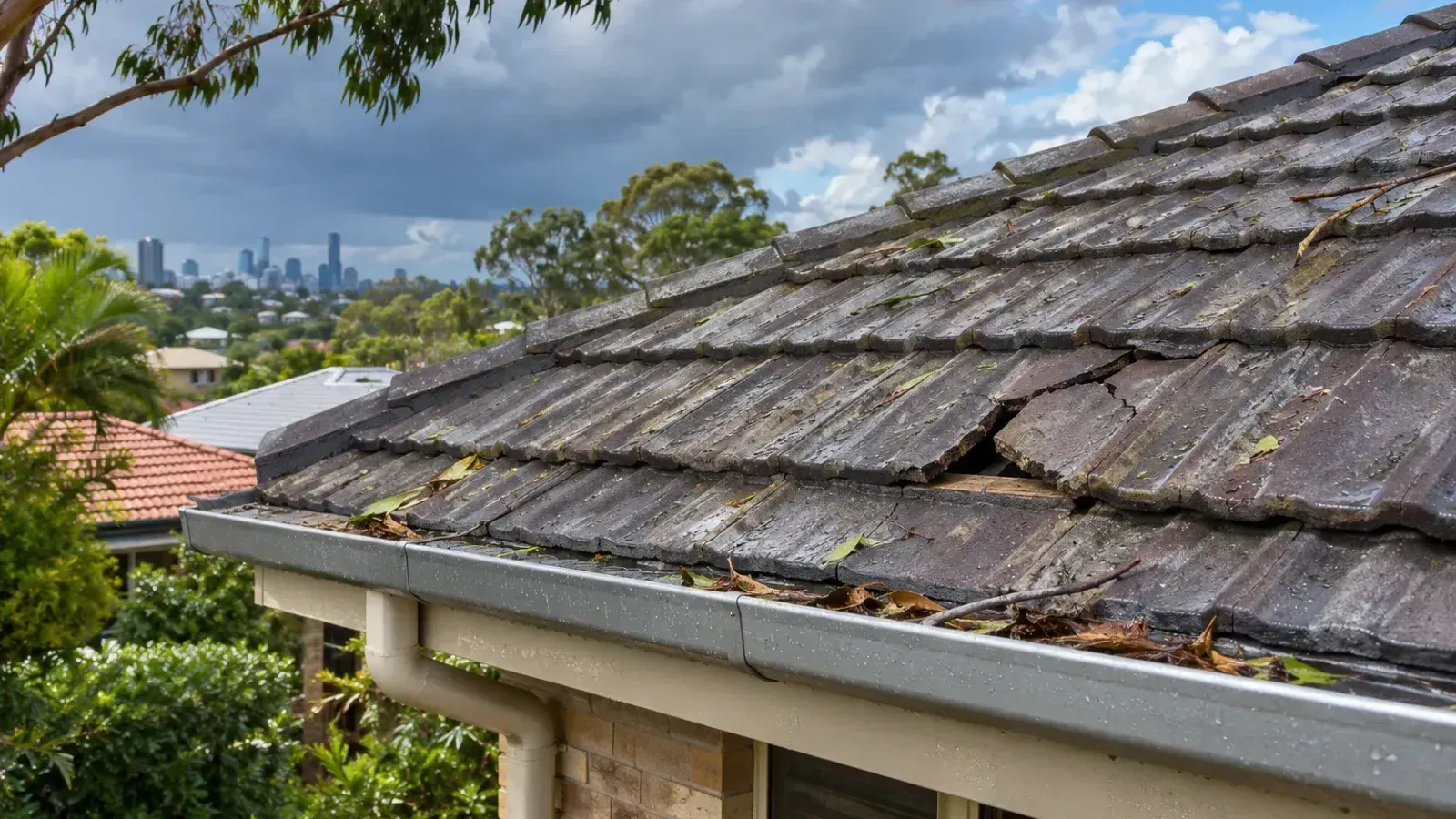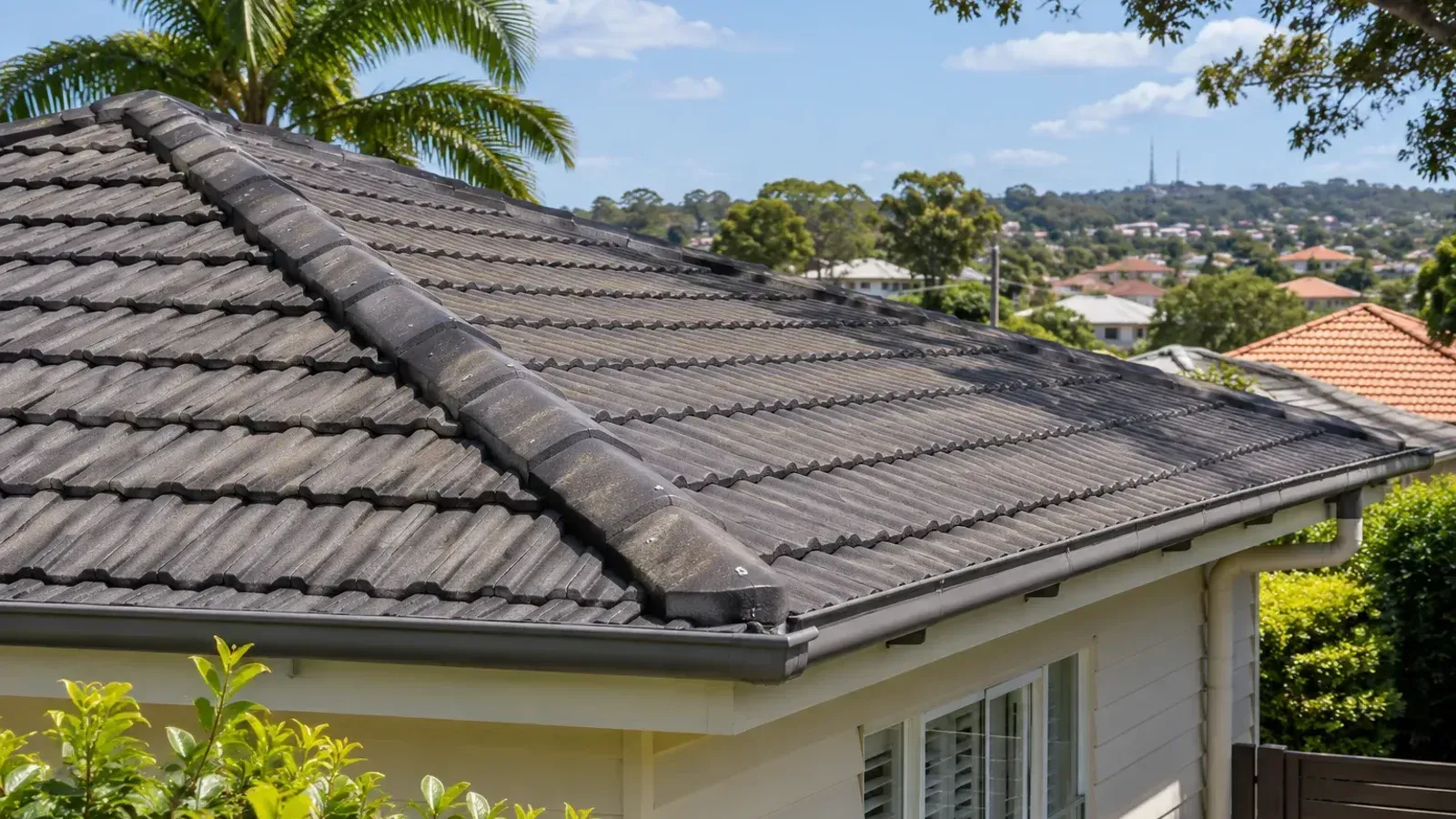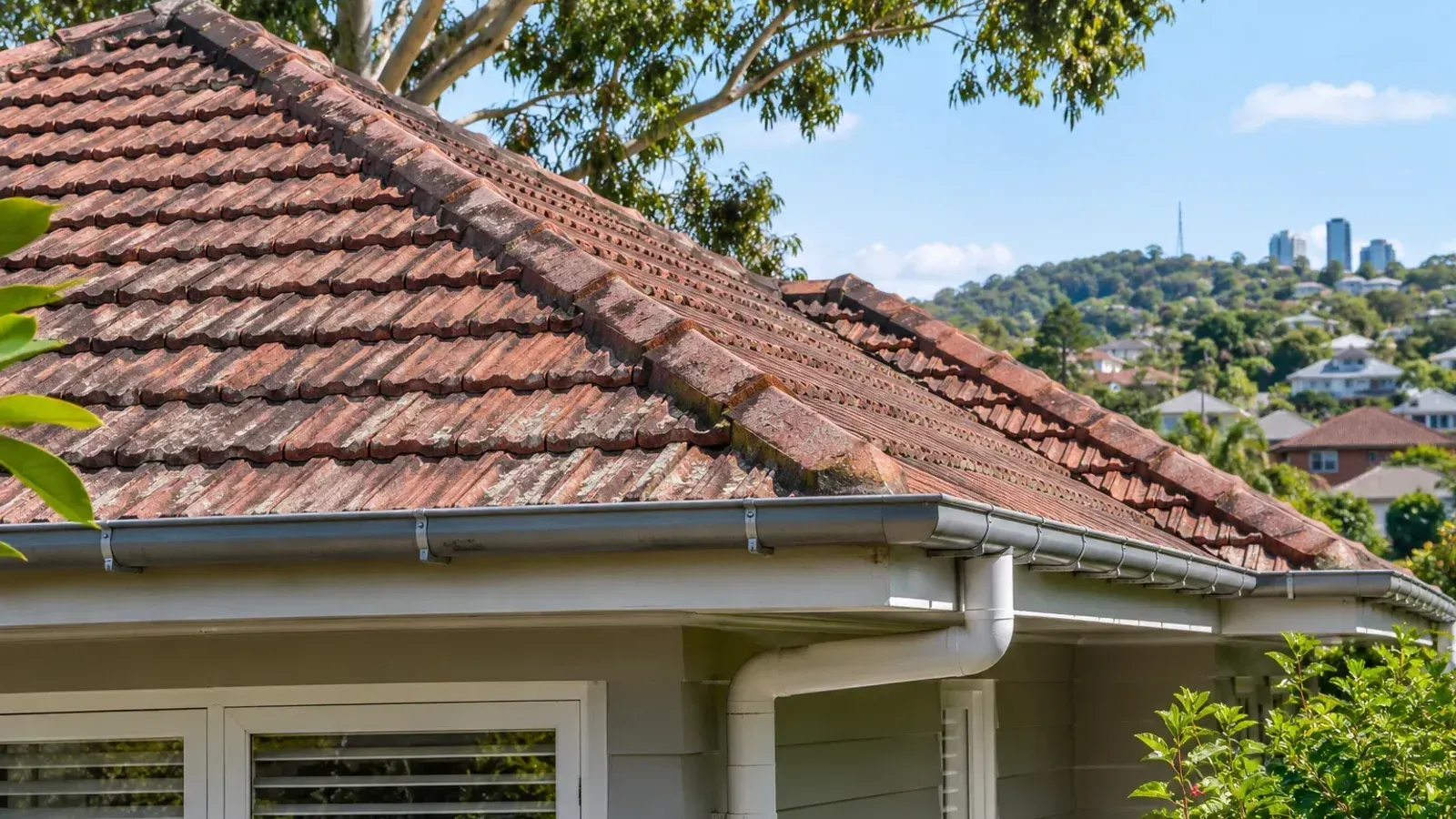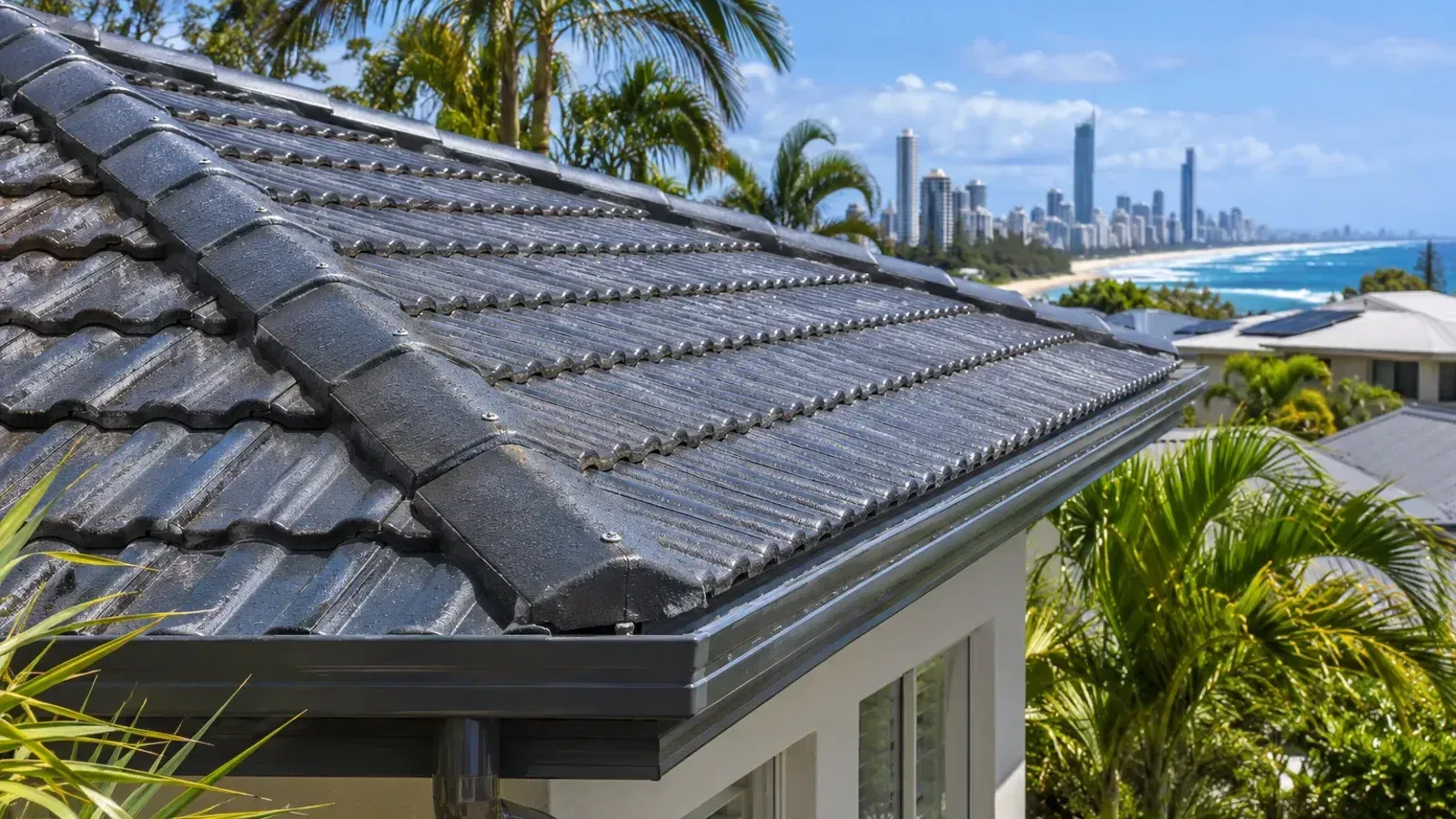
Rust on a roof flashing needs attention when it affects how the flashing sheds water, how it is fixed or the roof sheet beside it. More flashing is not automatically better. For Sunshine Coast roof flashing, the first step is to establish where water is entering, how the existing detail drains and whether corrosion affects a fixing, a flashing or the roof sheet.
Salt air, humid summers and heavy storm rain all test the junctions on a coastal roof. Knowing what to ask before agreeing to a repair or repaint helps you pay for work that deals with the cause rather than the stain.
Why Sunshine Coast roof flashing corrodes
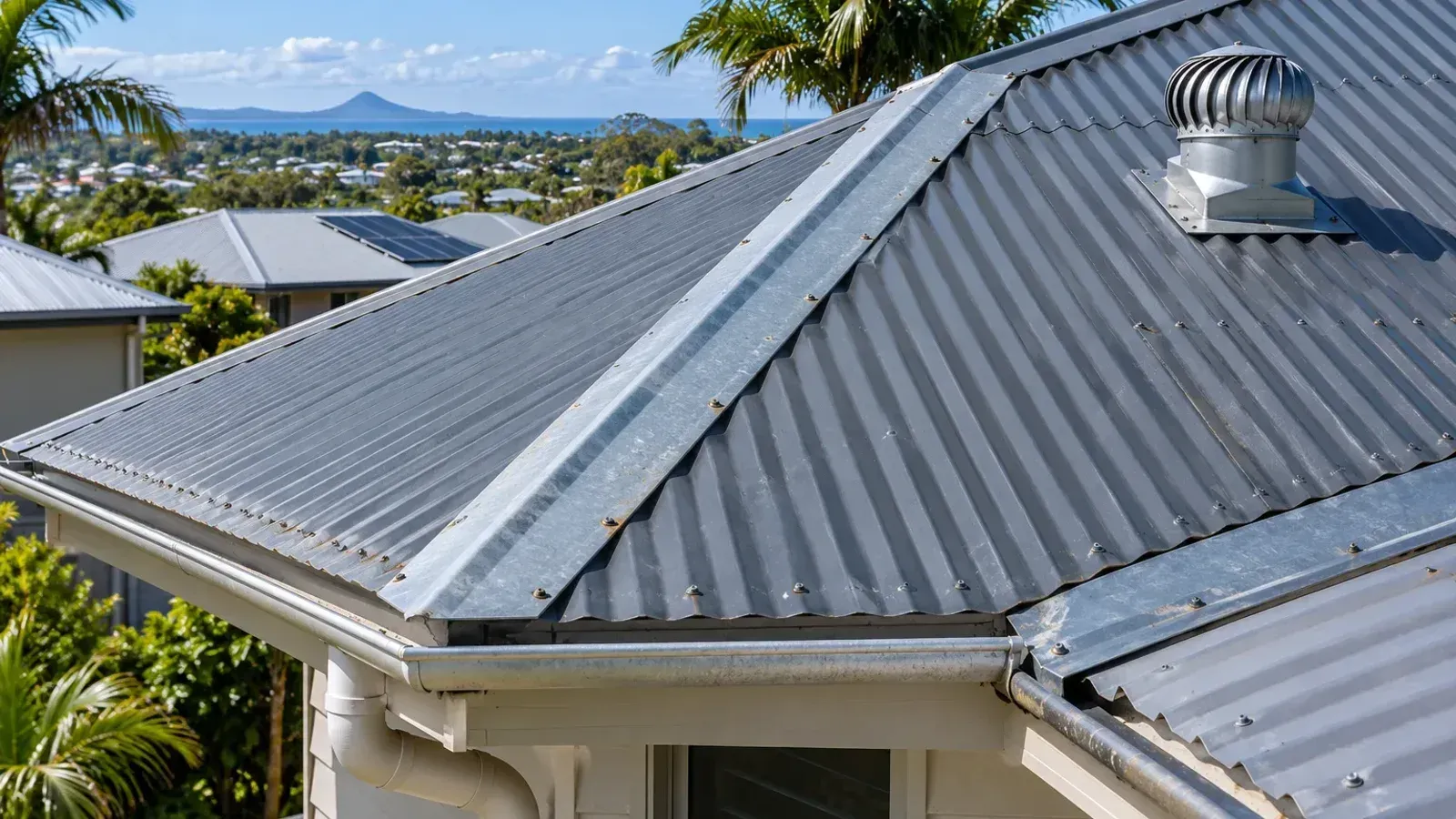
Flashings are the folded metal strips that seal the joints a roof sheet or tile cannot cover on its own: ridges, valleys, wall junctions, skylights, vents and the edges of extensions. Because they sit at changes in direction, they collect debris and can hold moisture longer than open sheeting.
Homes near the beach in suburbs such as Caloundra, Mooloolaba or Coolum are exposed to airborne salt that settles on the roof. Areas that rain does not rinse, such as sheltered laps and the underside of overhangs, can keep that salt in contact with the metal. Other common contributors include:
- dissimilar metals in contact, such as copper pipe or lead touching coated steel
- water running from one material onto another, including discharge from an air-conditioner
- cut edges and metal filings left behind after earlier work
- flashings that sit flat or hold water instead of draining
Ask for the defect to be identified
Before a price is agreed, ask the roofer to show you the problem. For an extension junction or a penetration, ask for a photo showing the surrounding roof as well as the damaged detail. A close-up of rust alone does not tell you whether water is getting past the flashing or simply staining its surface.
Check whether the proposal corrects the junction or merely covers a visible stain. A useful written quote names the location of each flashing, describes what is wrong with it and says whether it will be retained, reworked or replaced.
Why adding sealant may miss the cause
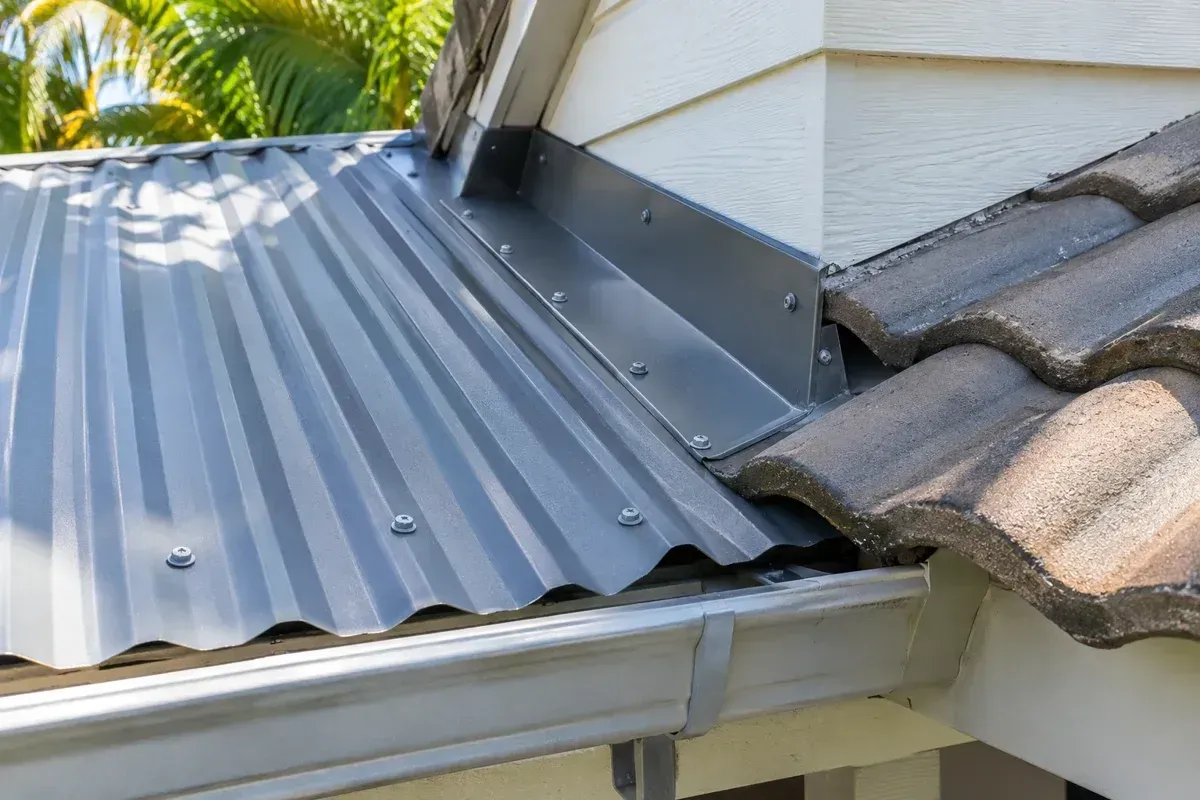
A flashing is intended to direct water out and away from a junction. Ask whether its shape, overlap and discharge path work with the adjoining roof. If a wall flashing is too short, or a valley discharges behind a gutter, a bead of sealant may hold back water for a while and then fail as it ages in the sun.
Covering a stain or applying a coating cannot correct the path if the underlying detail is wrong. Extra flashing laid over an old one can also trap moisture between the two layers, which is one reason more flashing is not automatically the answer.
Should a rusting flashing just be painted?
Sometimes light surface rust on otherwise sound metal can be prepared and painted as part of a roof restoration. In other cases the flashing has lost thickness, has holes or is held by corroded screws, and painting would only hide the problem. Ask the roofer:
- whether the metal remains sound once loose rust is removed
- whether the detail drains properly or holds water
- whether adjoining materials are compatible with each other
- which fixings are corroded and what will replace them
Some details need replacement or reworking before any finish is considered.
JMZ specialises in roof restoration and membrane painting. Its restoration scope can include minor visible broken, cracked or chipped tiles. Arrange metal roof repairs, sheet replacement or structural work with a suitably qualified roofing contractor before painting.
Once those repairs are complete, a residential metal roof restoration can address the finish across the whole roof. For ongoing care of coated steel near the coast, read BlueScope’s care guidance for COLORBOND® steel.
FAQs
Is rust on a flashing always a leak risk?
Not always. Light surface staining can appear long before the metal is perforated. The concern is rust that has eaten through, loosened fixings or spread to the sheet beside it, so ask for photos that show the extent.
Can a new flashing be fitted over the old one?
It is sometimes proposed, but ask how the two layers will drain and whether moisture could be trapped between them. If the original detail caused the problem, covering it may not fix it.
When should flashing work happen in a restoration?
Repairs or replacement by a qualified roofing contractor should be finished before any coating goes on. Painting over a defect makes it harder to see later and does not change how water moves through the junction.
When to act
Act when rust affects drainage, fixings or the adjoining sheet, and ask for evidence before agreeing to sealant or extra flashing. Getting Sunshine Coast roof flashing right first gives any new finish a sound base. Browse the JMZ project gallery, check whether your suburb is in JMZ’s service areas, then request a roof restoration quotation from JMZ.