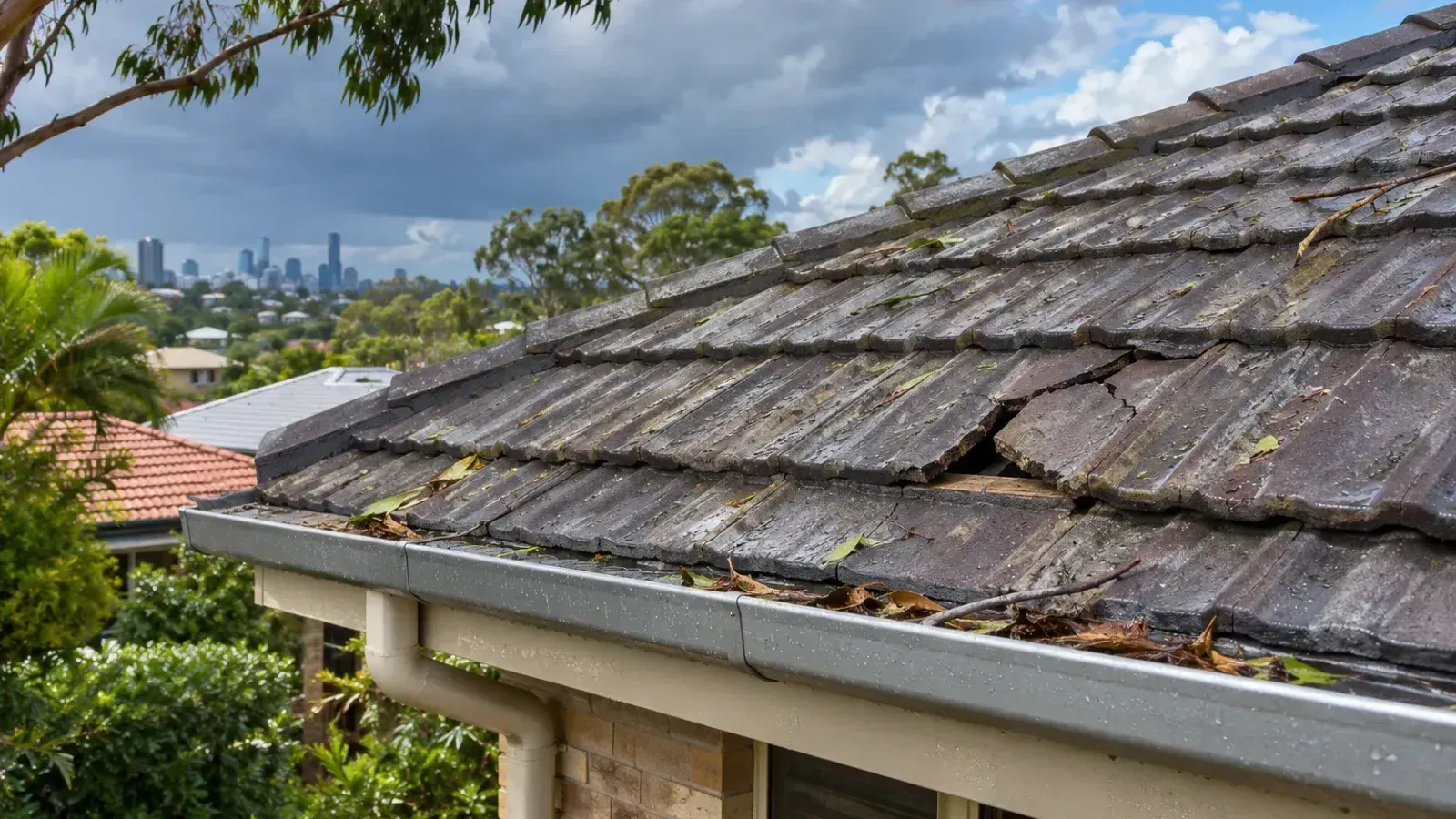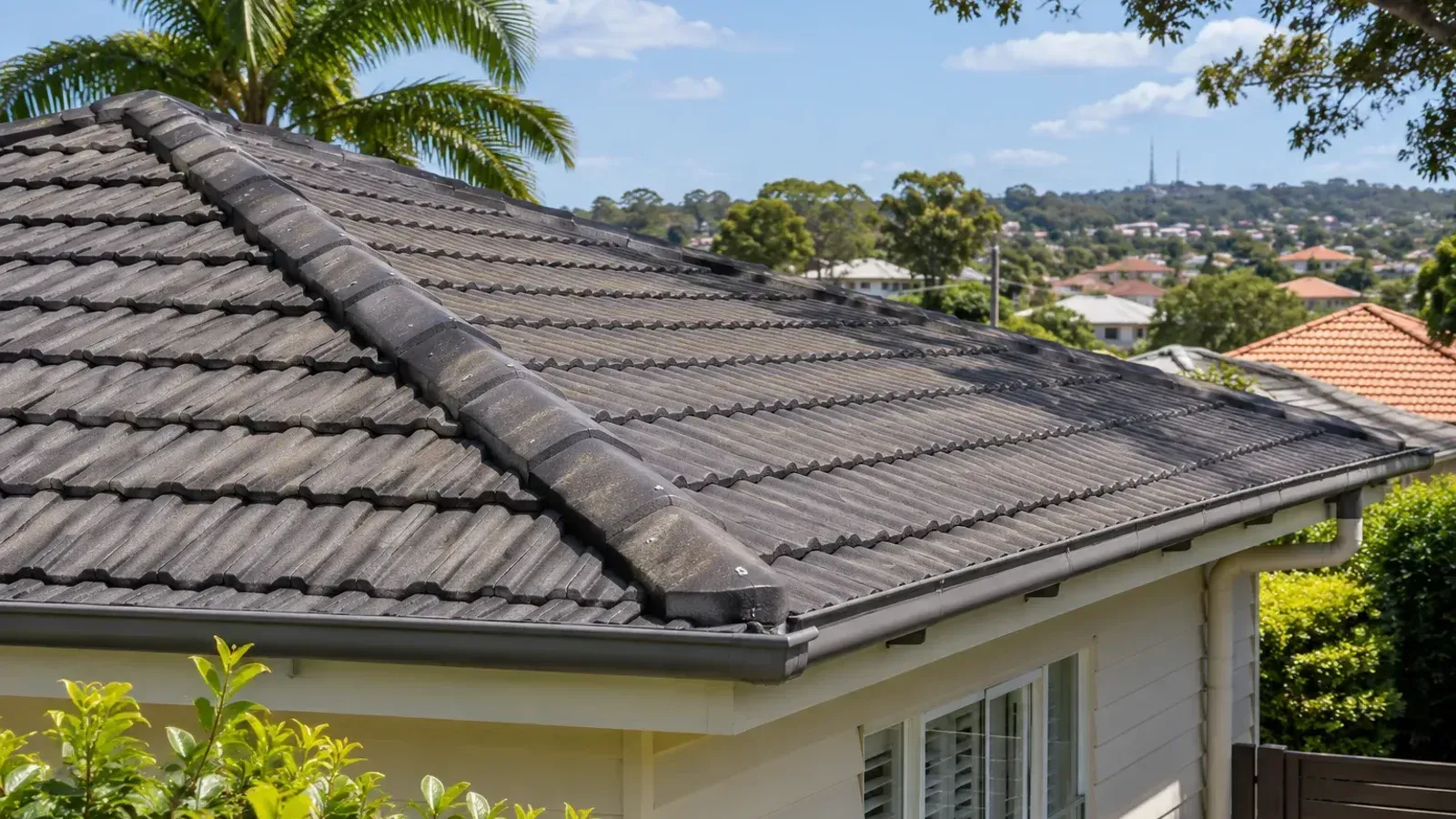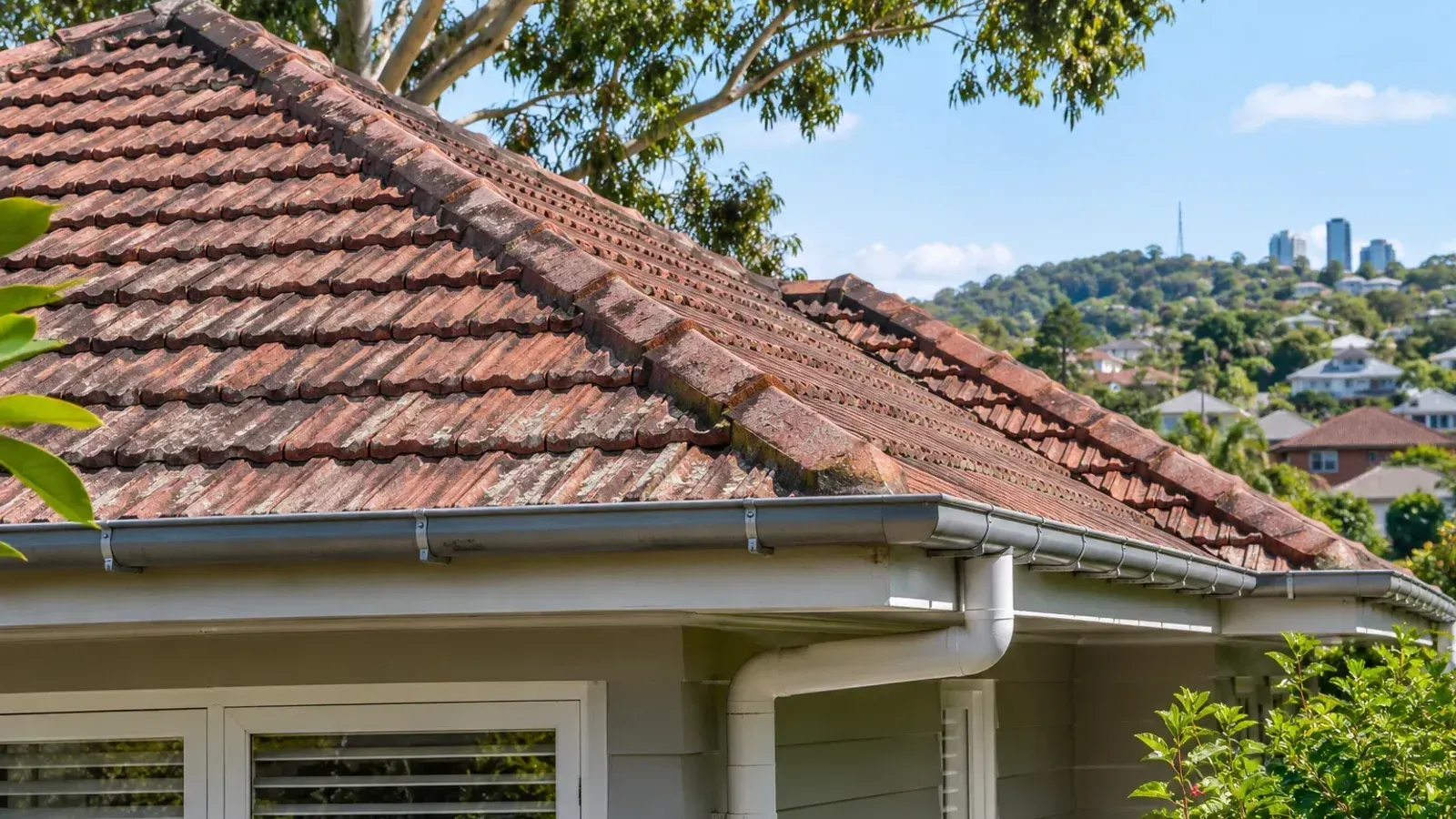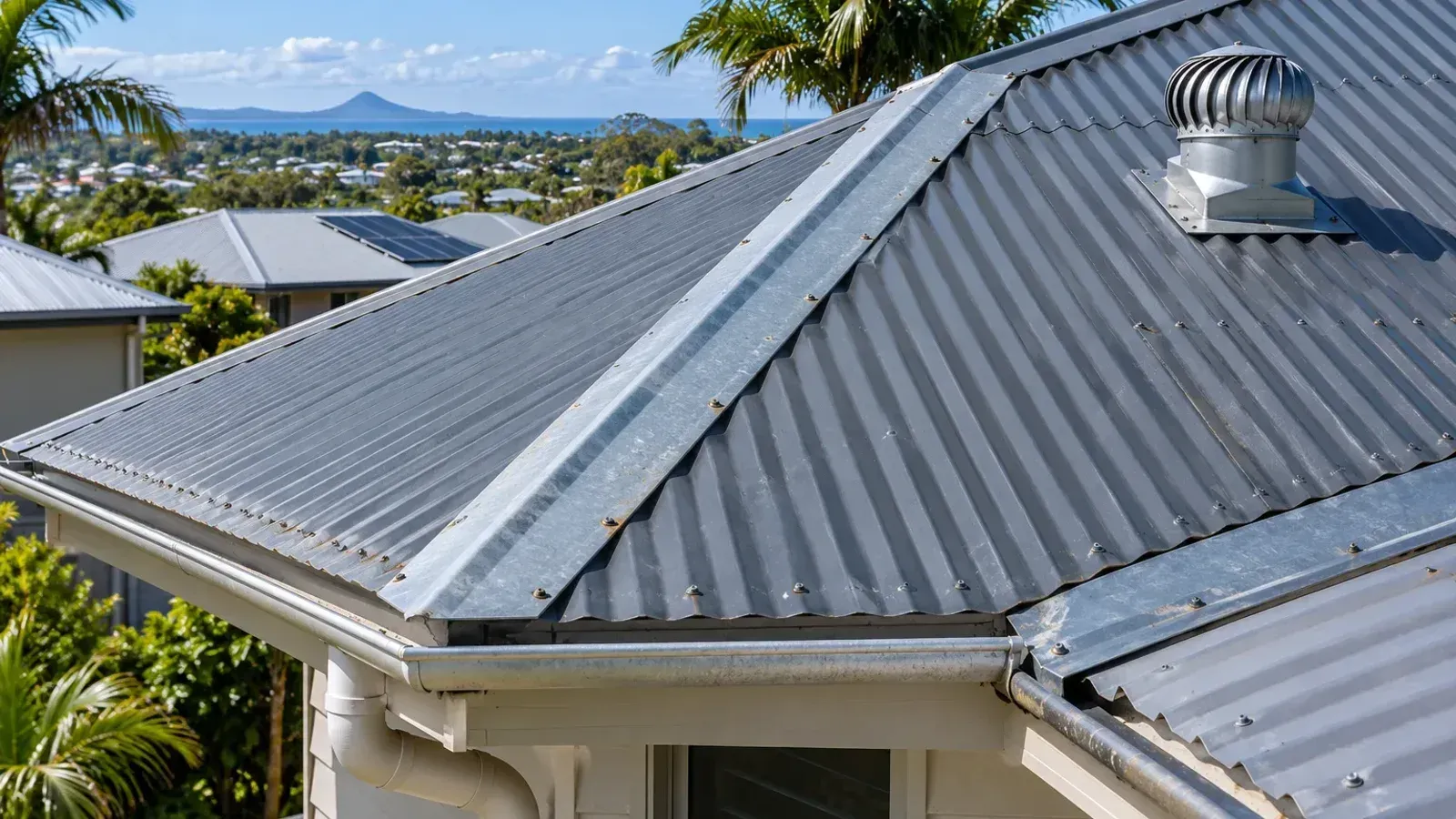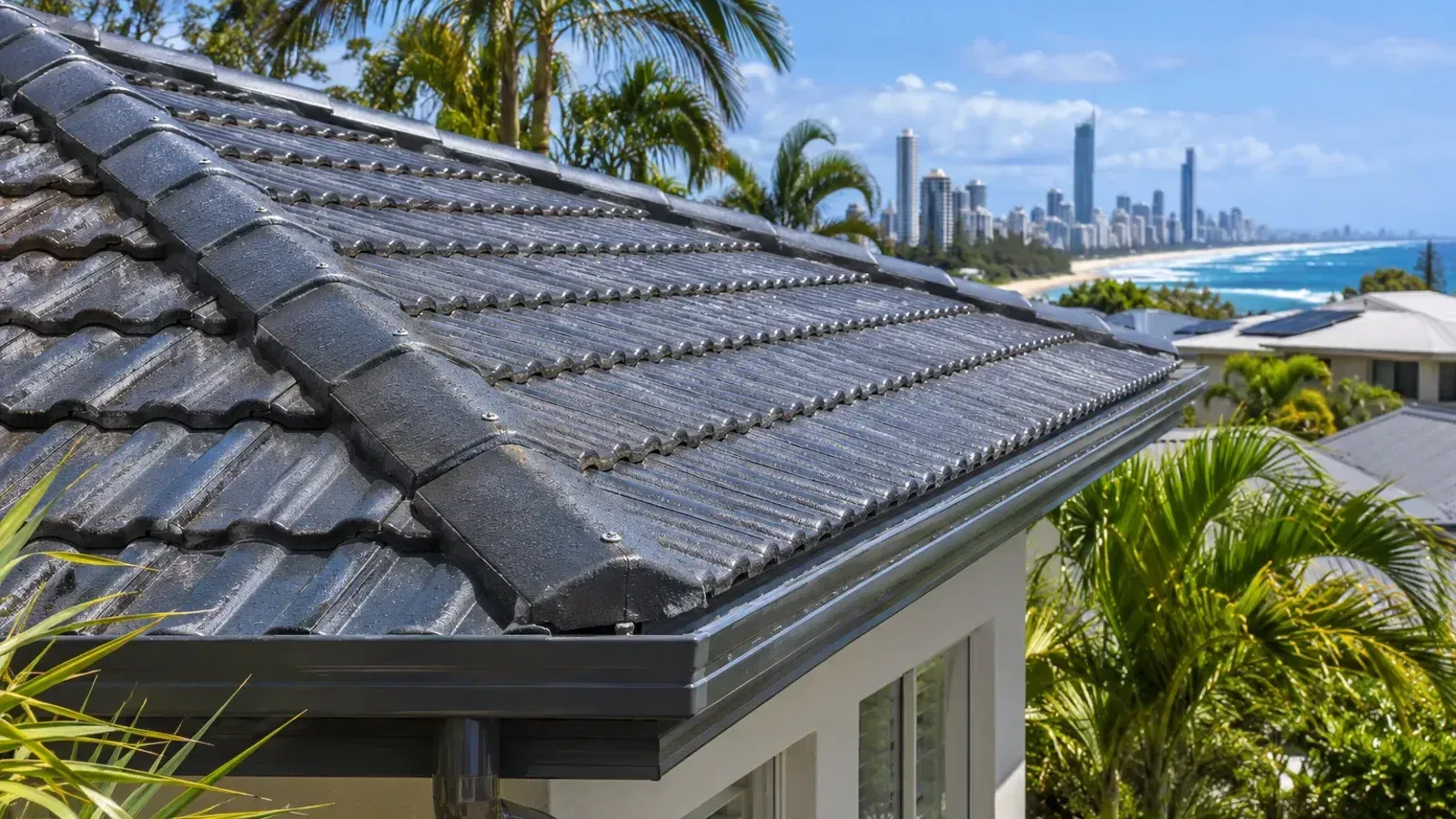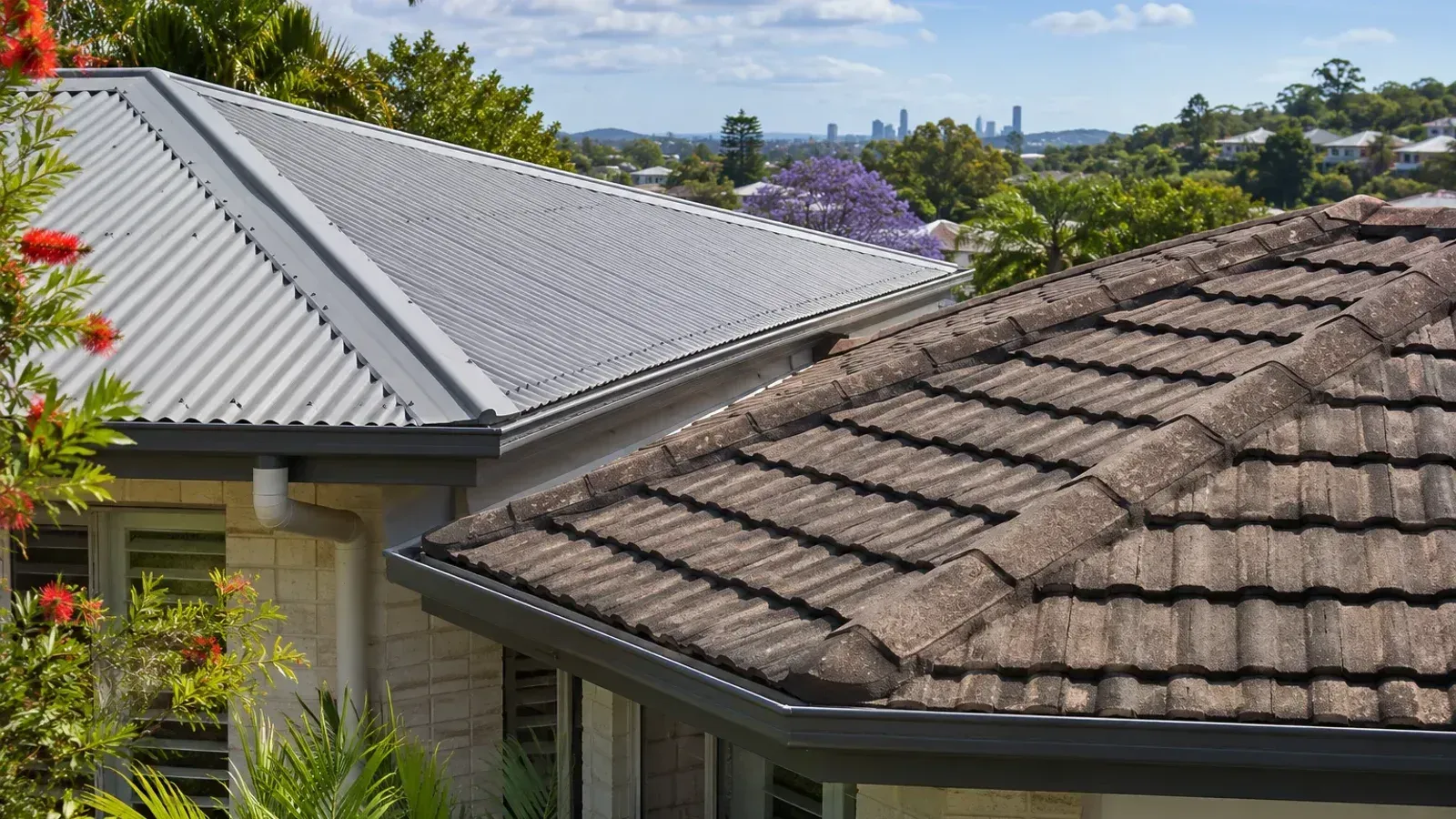
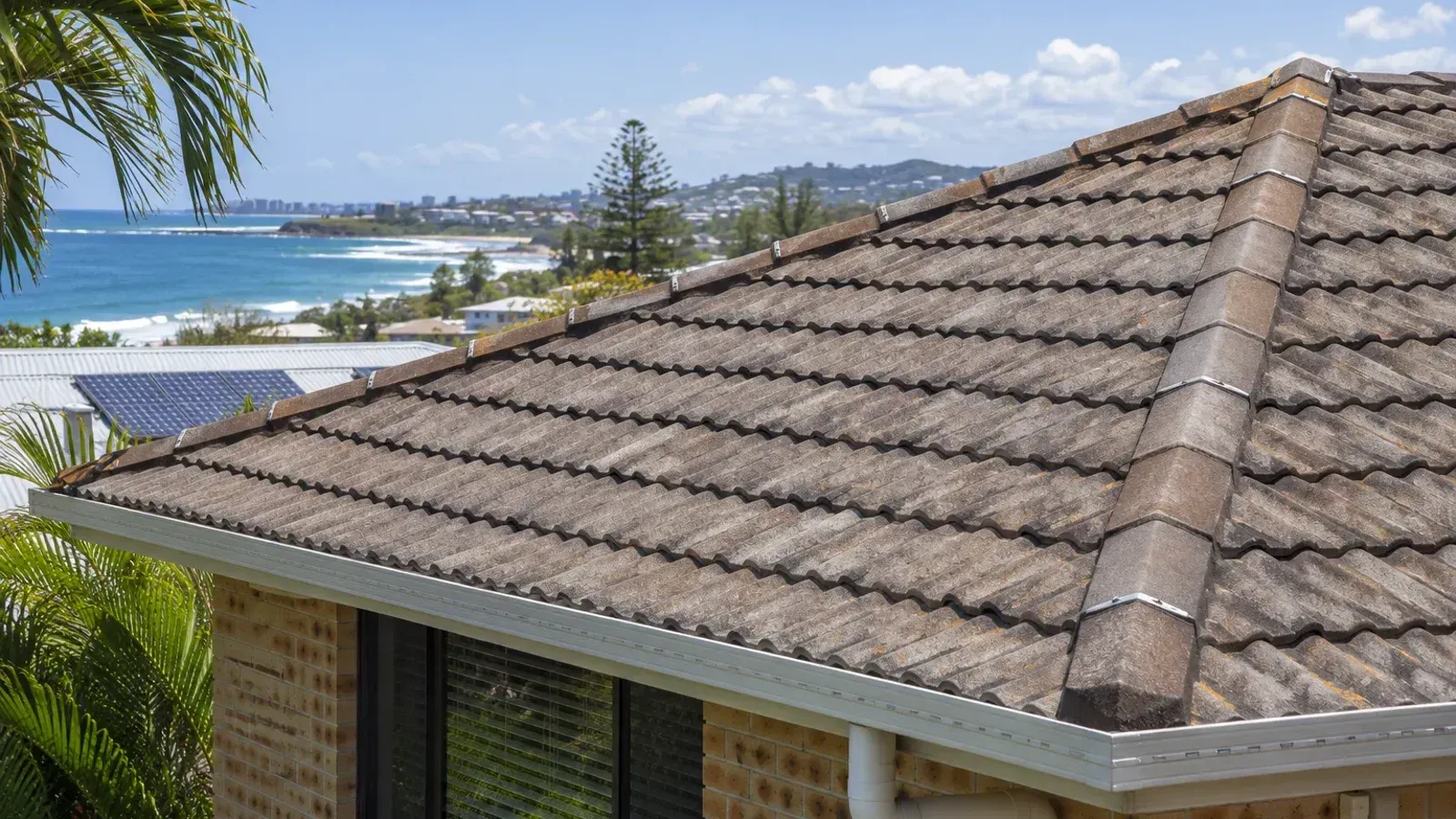
After receiving coastal roof findings, turn the observations into a prioritised scope. Ask which items involve active water entry, which concern material deterioration and which are cosmetic or suitable for monitoring.
A list of findings can feel overwhelming, especially when it mentions rust, worn coatings and tile damage all at once. Sorting each item by urgency and by trade makes it easier to decide what to do now, what to plan for and what simply needs watching.
Sort coastal roof findings by priority
A practical way to organise the list is to place each item into one of three groups:
- Active water entry: items linked to leaks, ceiling stains or water getting into the roof space
- Material deterioration: corrosion at fixings or flashings, worn coatings, cracked tiles or ageing ridge bedding
- Cosmetic or monitor: fading, minor staining or marks that are not currently changing
Then note which trade each item belongs to. JMZ specialises in roof restoration and membrane painting. Its restoration scope can include minor visible broken, cracked or chipped tiles. Arrange metal roof repairs, sheet replacement or structural work with a suitably qualified roofing contractor before painting. Separating items this way avoids gaps where nobody is responsible for a particular repair.
Request evidence for each proposed repair
A photo showing the component and its position is more useful than a general note about rust. Ask whether a fixing, flashing or sheet is affected and record who will confirm the repair is complete.
Useful questions to put to the roofer include:
- Where exactly is this item, and can you mark it on a photo or roof sketch?
- Is it getting worse, and what suggests that?
- What happens if it is left for now?
- Is it part of a restoration scope, or does it need a separate trade first?
Clear answers help you compare quotes fairly. If two contractors describe the same problem differently, photos let you check that they are talking about the same component.
Close the loop on the repair
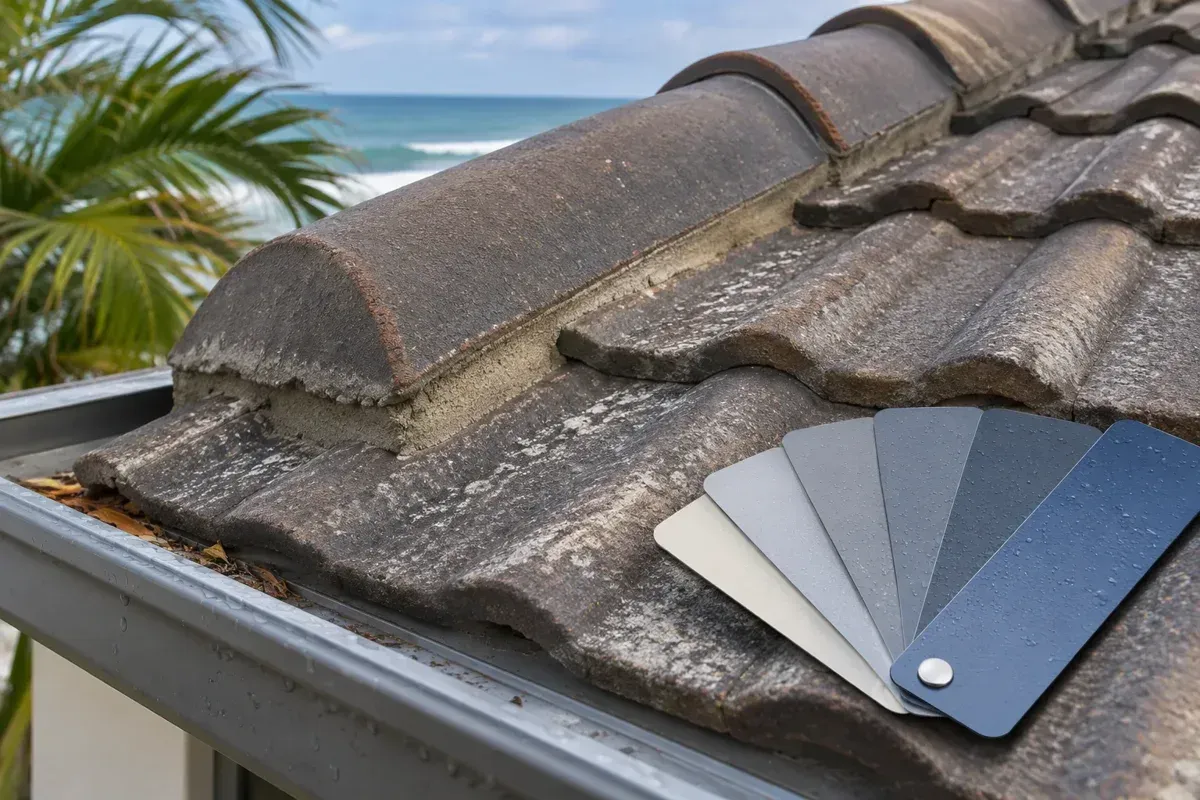
Retain the original finding, the agreed work and a photograph of the completed detail. If a stain returns later, these records show precisely what was addressed and help distinguish recurrence from a new problem elsewhere on the roof.
Coastal conditions can make this record especially valuable. Salt settles in sheltered areas, and a mark that reappears near a repaired flashing may have a different cause from the original. Keeping before and after photos together, with dates, gives any future contractor a clear starting point.
Planning a restoration after repairs
Once active leaks and repairs by other trades are complete, a restoration can be compared on a clear scope. If coatings are part of the plan, JMZ's colour charts help you shortlist options, and you can read how tile roof restoration handles minor tile damage and resurfacing. Ask how the contractor will prepare salt-exposed surfaces before coating and what is excluded from their price.
What if the findings only say monitor?
Ask what change should prompt a further call, how to document it safely and when to review the record. Monitoring works best when the component and trigger are identified. For example, "call if the staining below the north valley extends further" is more useful than "keep an eye on it". Take photos from the ground or a window rather than climbing onto the roof.
FAQs
Do I need to fix every item on the list at once?
Not necessarily. Items linked to active water entry usually come first, while cosmetic items may be monitored or planned for later. Ask the roofer to explain the priority of each item.
Who should repair corroded metal before painting?
Metal roof repairs and sheet replacement should be arranged with a suitably qualified roofing contractor before painting. This keeps the coating going onto sound material.
What records should I keep after the work?
Keep the original finding, the agreed scope and dated photos of the completed work. These help show whether a later problem is a recurrence or something new. JMZ's answers to roof restoration questions cover other common queries.
Acting on coastal roof findings
Coastal roof findings are most useful when each item has a location, a priority and an owner. When you are ready to compare restoration, request a roof restoration quotation from JMZ.