Had your roof inspected recently — or planning to soon?
If you live near the coast, salt air could already be silently working away at your roof. An inspection is a great first step. But what you do after the inspection can make all the difference between long-term protection and accelerated damage.
Let’s walk through what should happen next, and how to make the most of your roof inspection report.
Why Salt Air Speeds Up Roof Deterioration
Salt particles carried by ocean breezes land on your roof every day. Over time, they: - Corrode metal sheets, screws and flashing - Penetrate cracks in tiles or mortar - Accelerate membrane degradation - Attract moisture, encouraging mould and algae
Even homes several kilometres from the beach (like in hinterland suburbs) still face moderate salt exposure.
Key Areas Your Roof Inspector Should Check
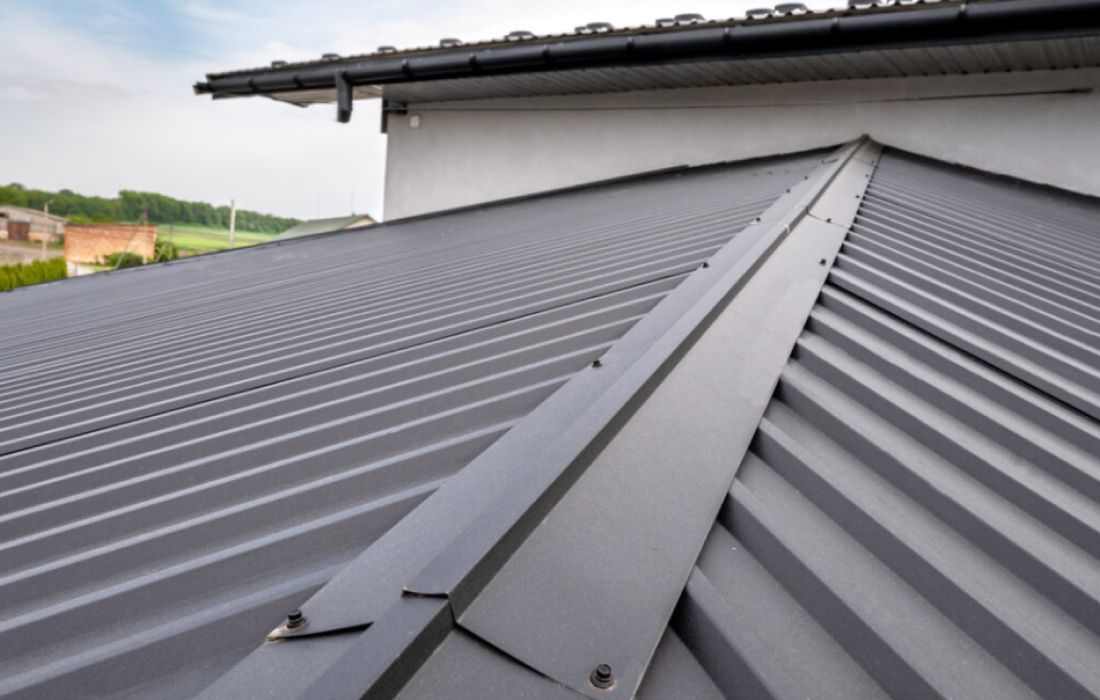
- Rust on metal sheets, fasteners, or gutters
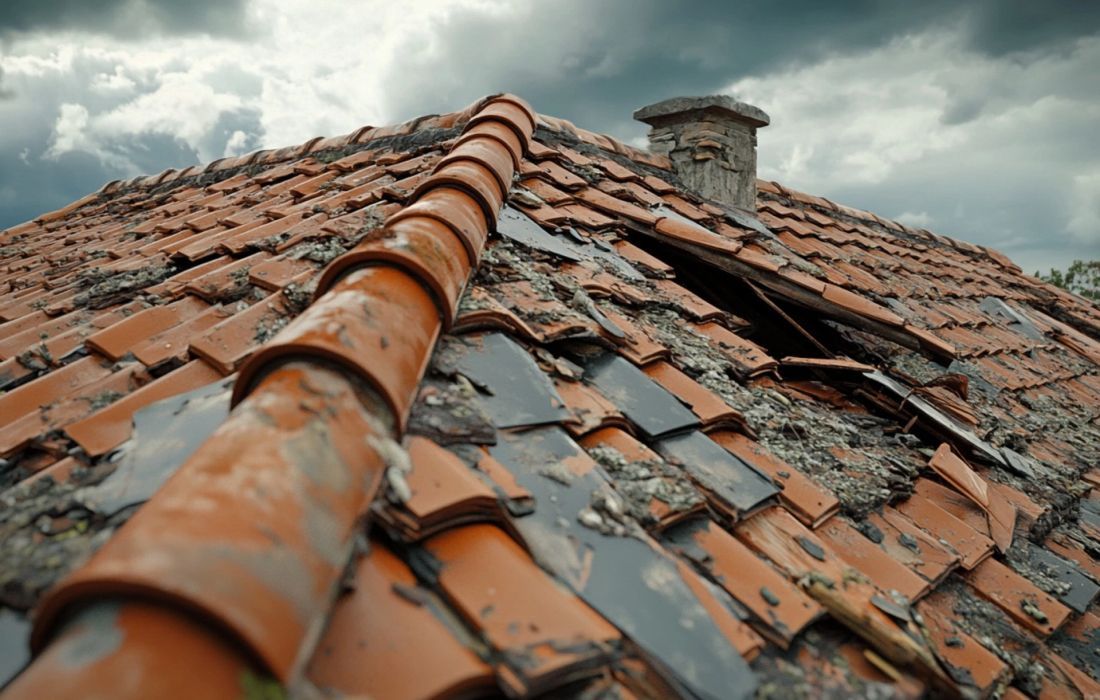
- Cracks in tiles, pointing or ridge capping
- Worn or peeling paint/membrane
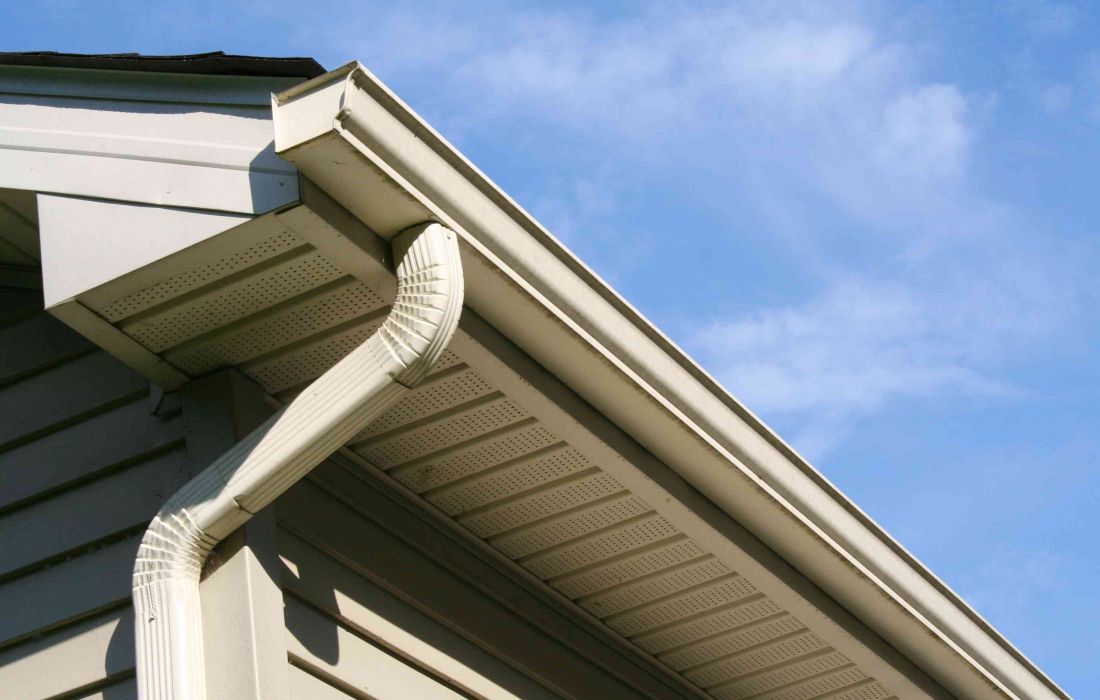
- Blocked drainage from leaf or salt buildup
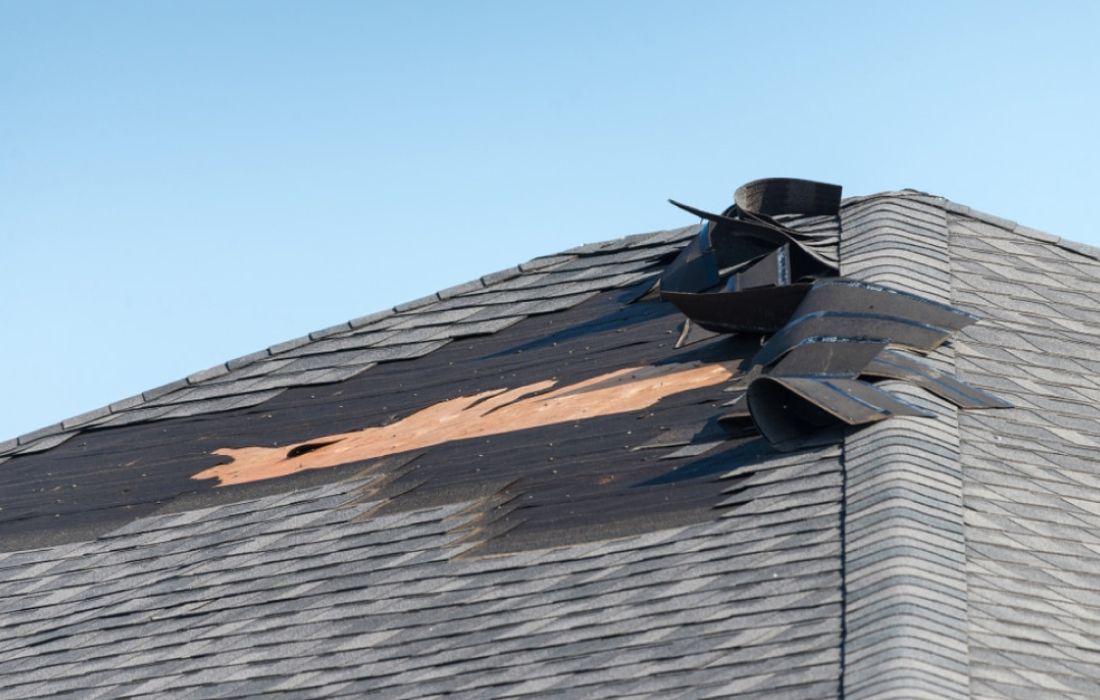
- Flashing integrity and signs of lifting
JMZ roof inspections cover all these and provide a detailed condition report.
What to Do After a Coastal Roof Inspection
1. Review Your Report Thoroughly
Ask your roofer to explain: - Which issues are urgent - What’s cosmetic vs structural - What maintenance can prevent future problems
2. Address Rust — Immediately
Surface rust spreads fast in coastal air. Treat with rust neutraliser and repaint with a protective coating.
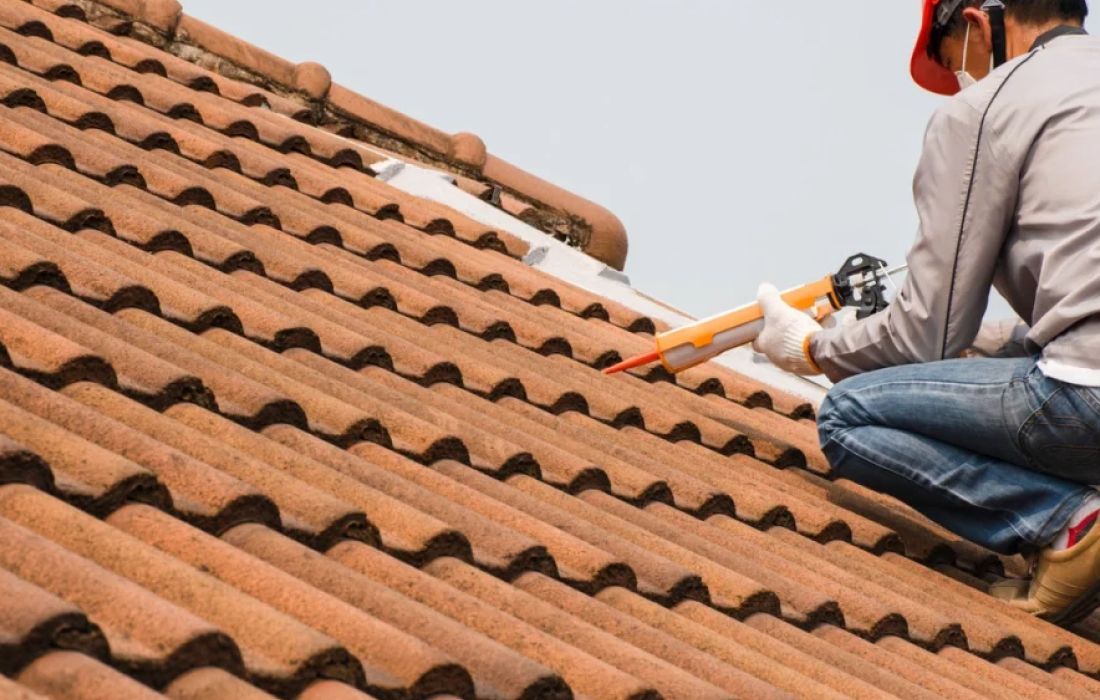
3. Repoint & Seal Cracked Ridge Capping
Even small cracks let moisture and salt in. Resealing keeps the structure watertight.
4. Book a Roof Clean & Rinse
Pressure washing removes salt and debris — preventing further chemical erosion.
5. Recoat with a Salt-Resistant Membrane
This adds back vital protection. JMZ uses Roofcote Supa Cool, which resists salt, sun and water.
“We often see coastal roofs that were inspected but never maintained — and five years later, they need replacing.”
Long-Term Coastal Roof Maintenance Plan
- Annual inspection
- Clean and rinse every 12–18 months
- Full restoration every 10–15 years
- Always repair rust or cracks as soon as possible
Why Trust JMZ for Post-Inspection Roof Care
- 30+ years restoring Gold and Sunshine Coast roofs
- Honest, no-pressure inspection reports
- Fast turnaround on minor and major repairs
- Specialists in both tile and metal roofs
- Roofcote-certified for salt-resistant coatings
Had an inspection or planning one soon? Book a free follow-up with JMZ and we’ll walk you through the next steps — no pressure, just expert advice.