Living near the coast is a dream — but not for your roof.
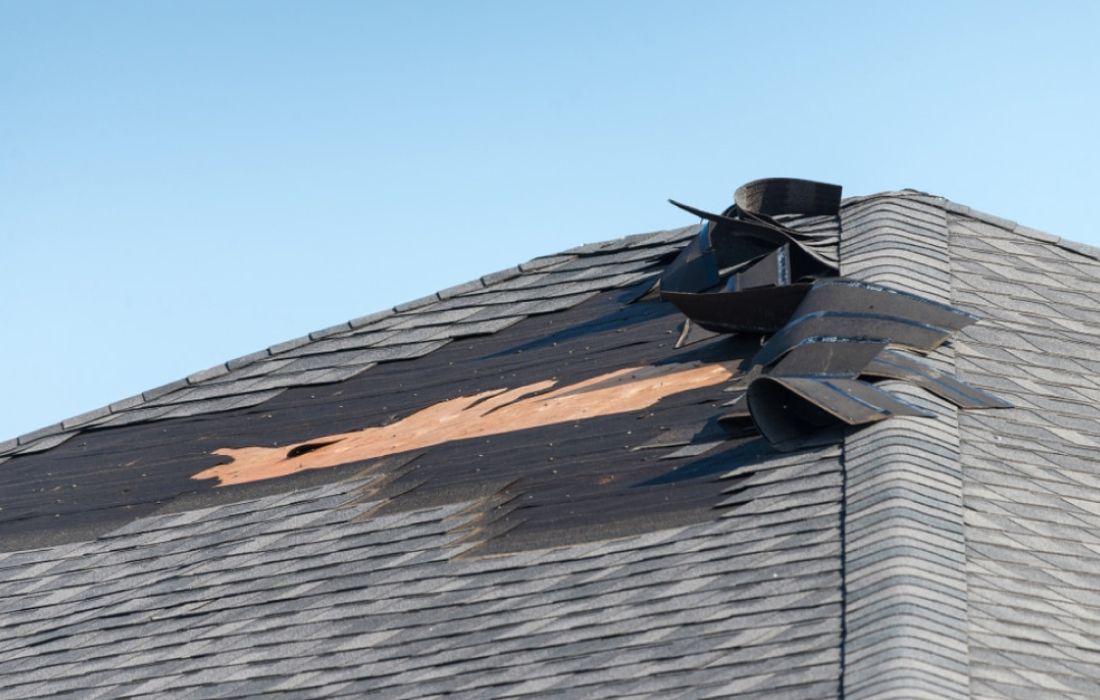
Homes in salt-exposed areas like the Gold and Sunshine Coasts face some of the most intense roof wear in Australia. Salt-laden wind, high UV, and summer storms all contribute to faster deterioration.
Here are the top five roof problems we see in coastal areas — and what you can do to prevent them before they become expensive repairs.
1. Rust and Corrosion (Metal Roofs)
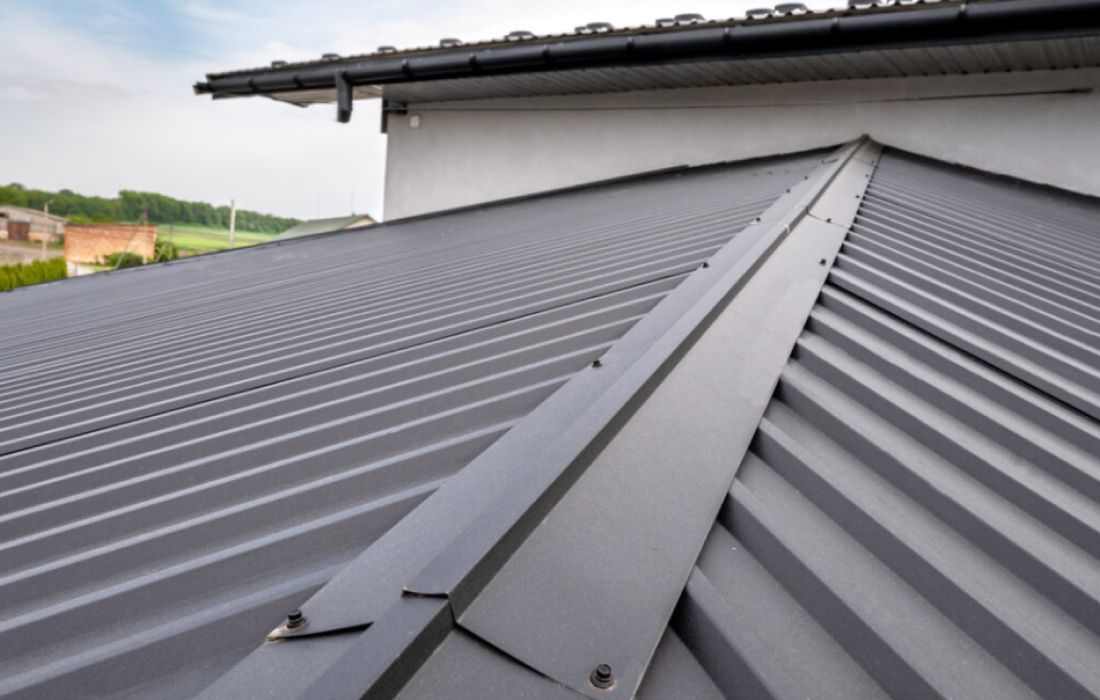
Problem: Salt settles on Colorbond and other metal roofing, corroding fasteners, sheets, and flashing — especially at joins or where coatings have failed.
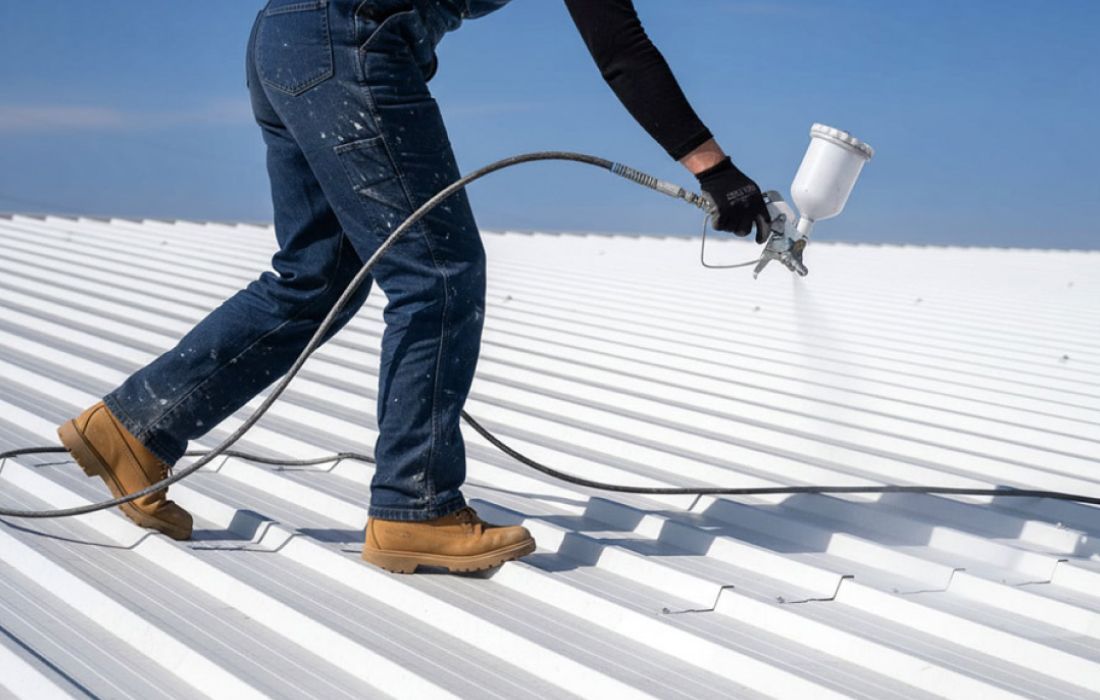
Prevention: - Treat surface rust early with a neutraliser - Recoat with a salt-resistant membrane like Roofcote Supa Cool - Regular inspections to check for coating failure
2. Cracked or Loose Ridge Capping (Tile Roofs)
Problem: Coastal winds and moisture wear down mortar over time. Cracks in ridge capping allow water and salt in, leading to deeper structural issues.
Prevention: - Repointing every 10–15 years - Annual checks before and after storm season
3. Blocked or Overflowing Gutters
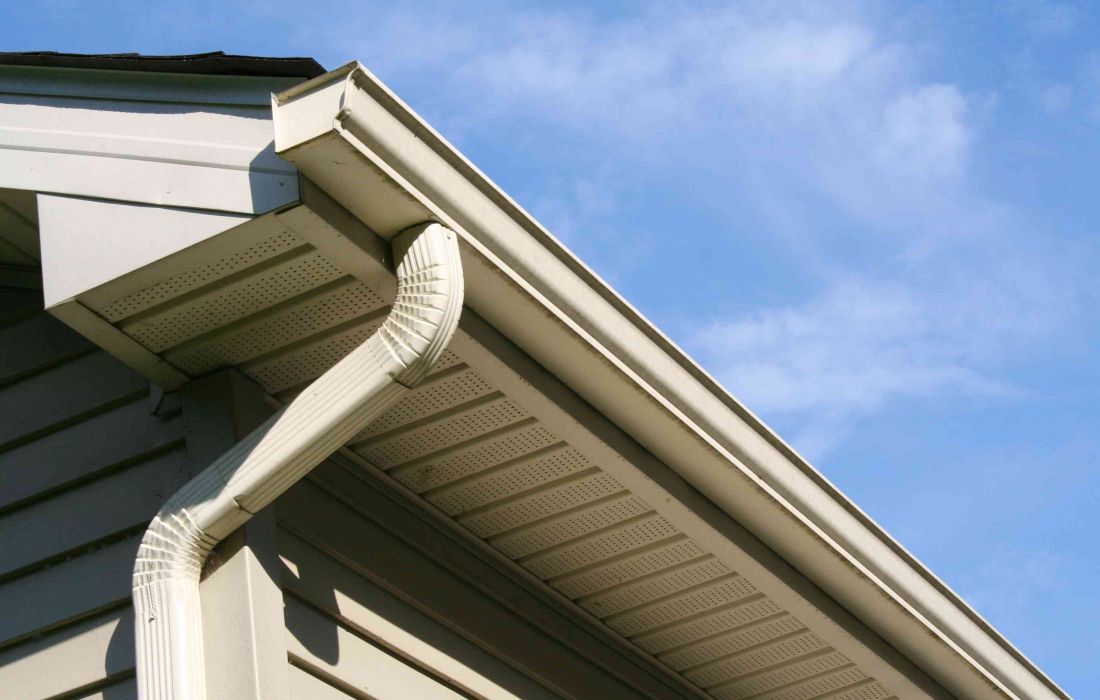
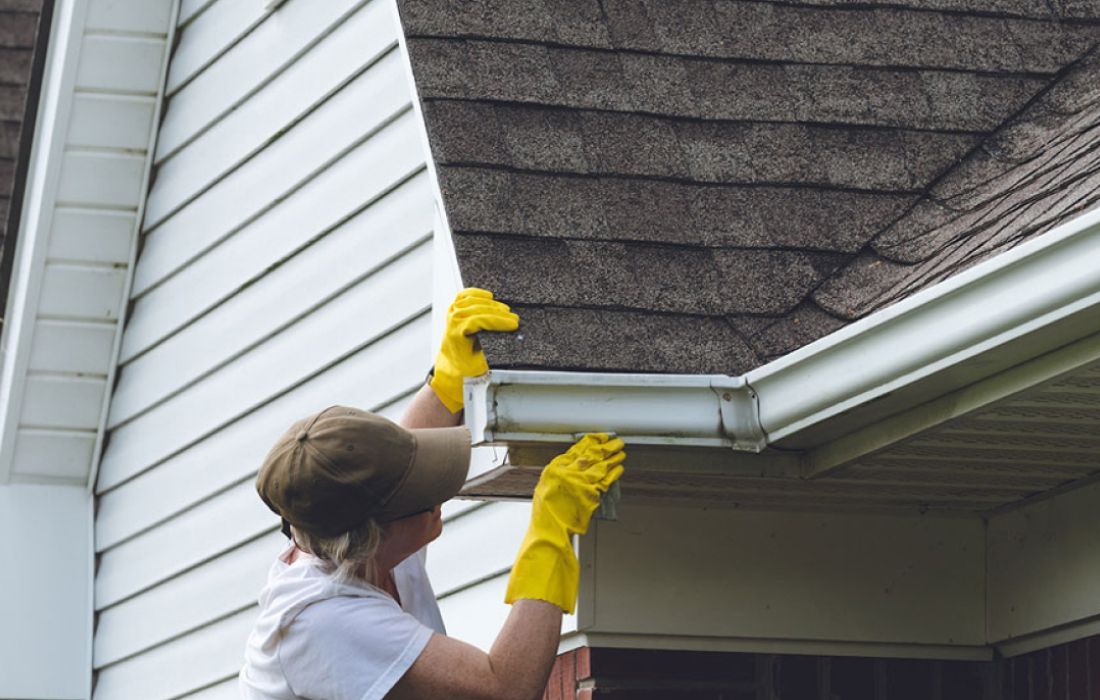
Problem: Salt, leaf litter, and coastal dust build up quickly, especially during stormy periods. Blocked gutters backflow into roof spaces.
Prevention: - Clean gutters every 3–6 months - Flush downpipes and check drainage regularly - Consider installing gutter guards
4. Mould, Moss & Algae Buildup
Problem: Humid coastal climates promote organic growth on tiled roofs. Left untreated, this damages the protective coating and increases water absorption.
Prevention: - Pressure cleaning every 12–18 months - Anti-mould treatment during restoration - Recoating with a mould-resistant membrane
5. Fading, Peeling or Chalking Coatings
Problem: UV exposure breaks down roof coatings faster on the coast. Once the membrane fails, water and salt can penetrate deeper layers.
Prevention: - Apply UV- and salt-resistant coatings - Recoat every 10–15 years (metal) or 12–18 years (tile) - Use professional-grade membrane, not generic paint
“We often find multiple issues stacked on top of each other — what started as one small problem becomes three or four.”
How to Catch Issues Early
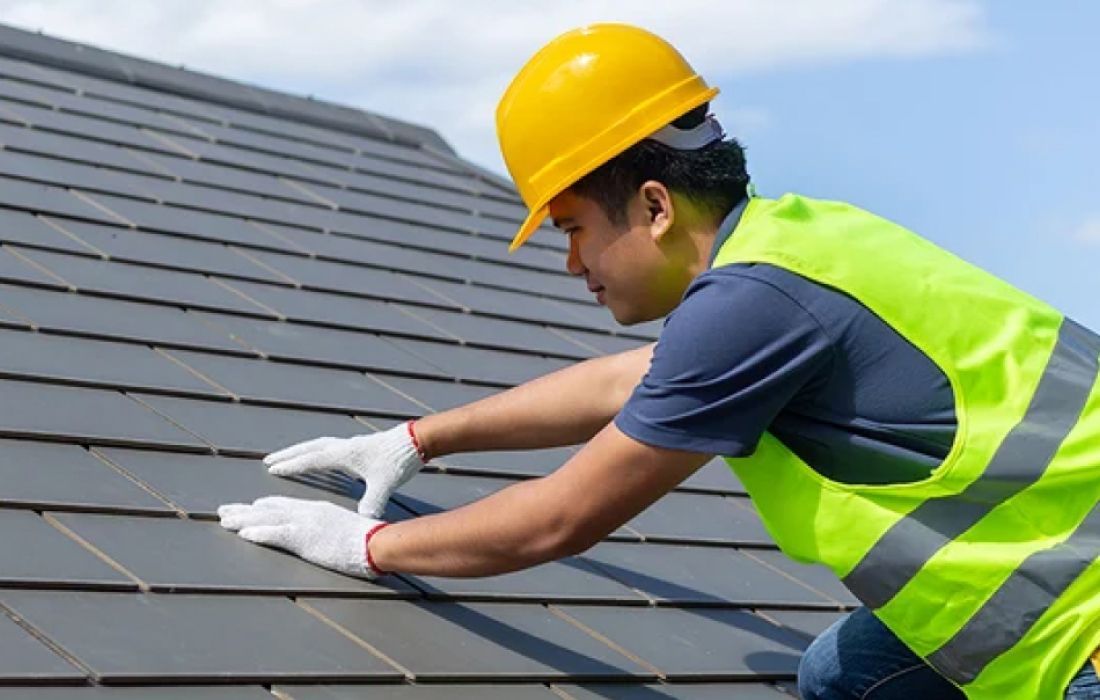
A trained eye can spot problems long before they become leaks or damage. That’s why we recommend a professional roof inspection every 1–2 years in coastal areas.
Why JMZ Knows Coastal Roofs Best
- 30+ years restoring and maintaining salt-exposed roofs
- In-house trained crews with no subcontractors
- Roofcote-certified membranes
- Honest, no-pressure reporting
Don’t let salt air quietly destroy your roof. Book a free coastal roof inspection and stay ahead of costly damage.