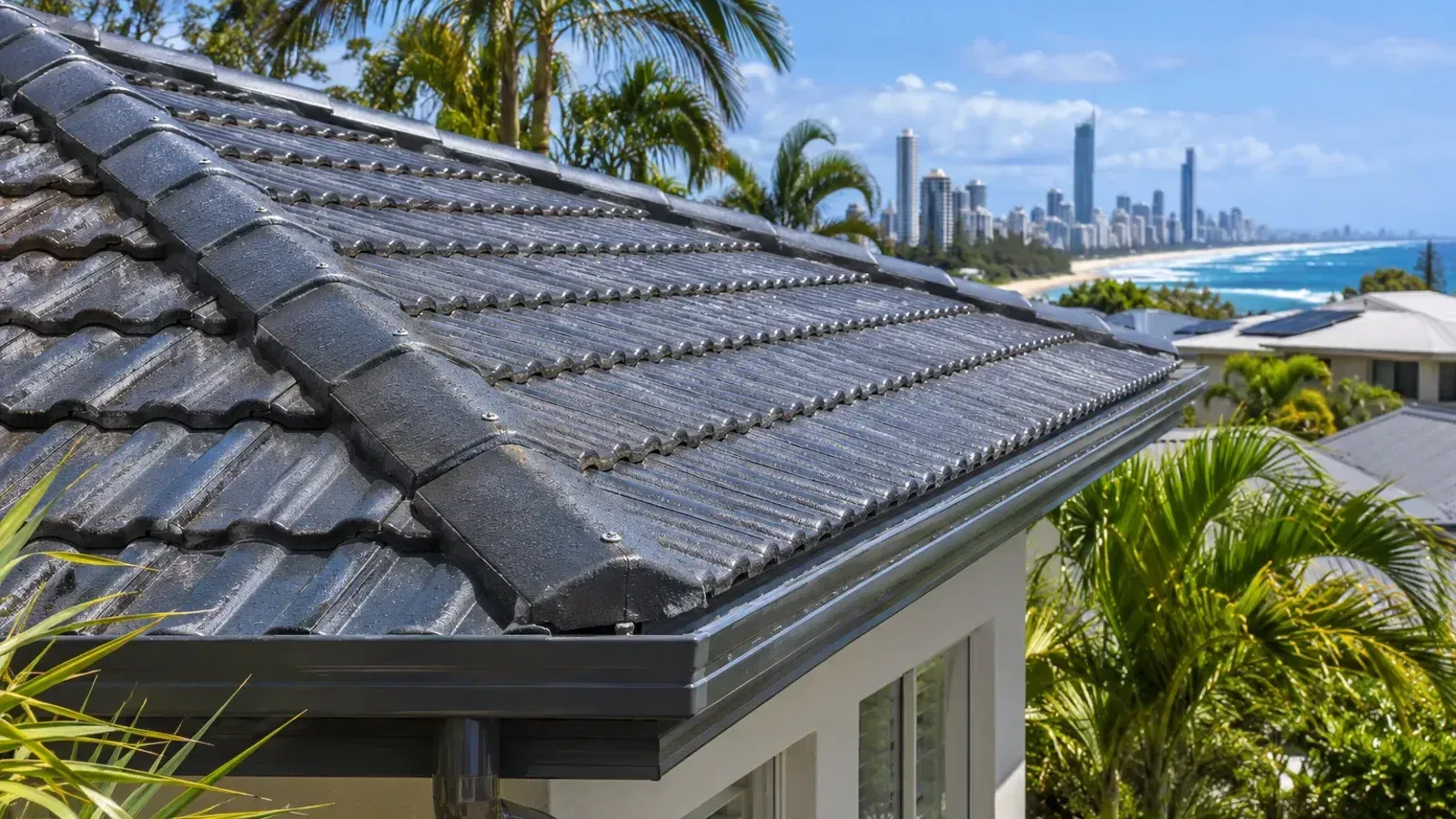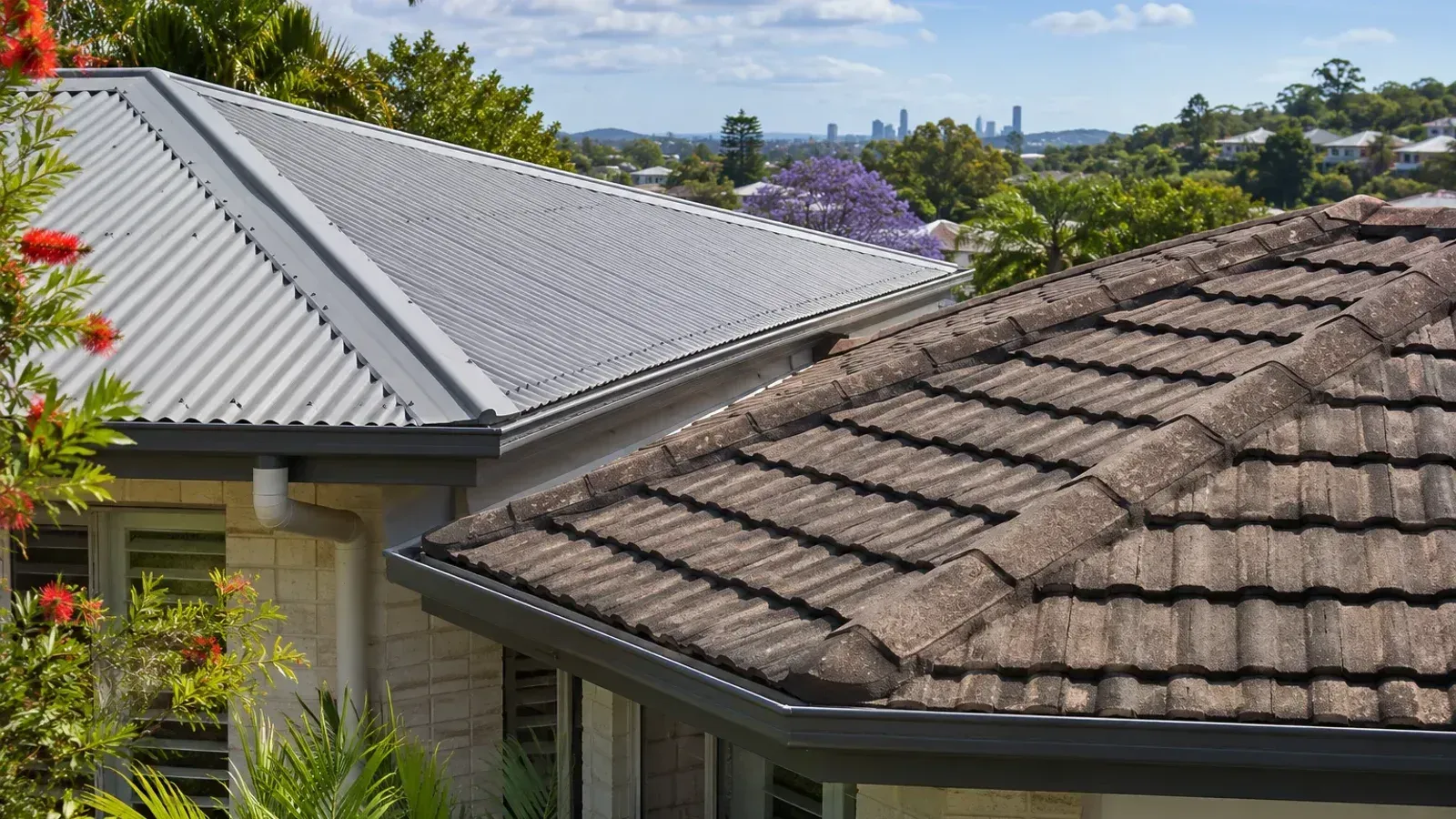
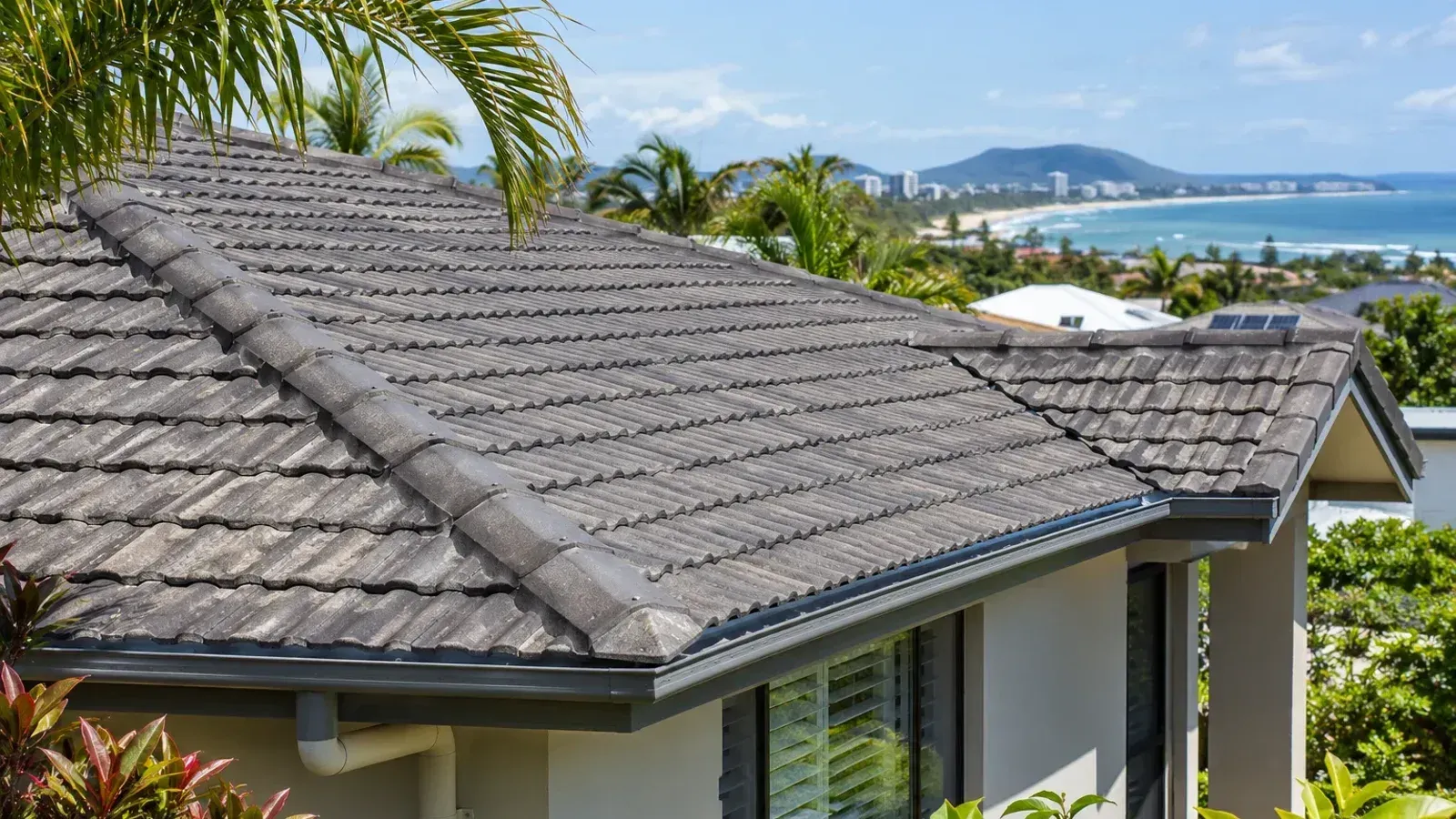
There is no reliable timetable for coastal Queensland roof restoration that suits every Gold or Sunshine Coast roof. Use earlier work, the roof material and changes in exposure or condition to decide when a quotation is worthwhile, rather than relying on a set number of years.
Two homes built in the same year can age very differently. A roof facing the ocean in Burleigh Heads or Kawana may weather faster than a similar roof further inland, depending on orientation, shade and maintenance history.
What affects coastal Queensland roof restoration timing
Several factors shape how quickly a finish wears and when work is worth considering:
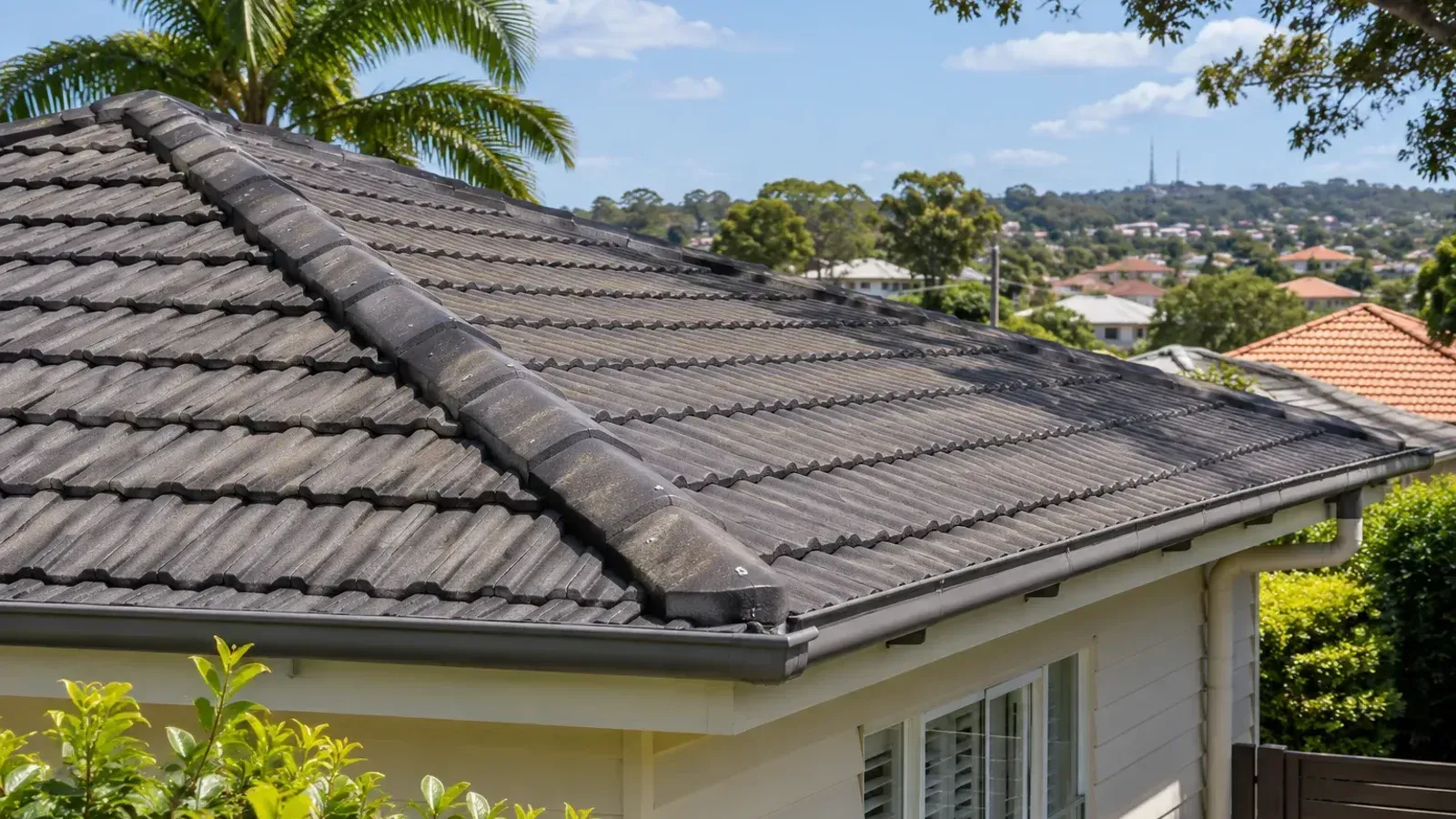
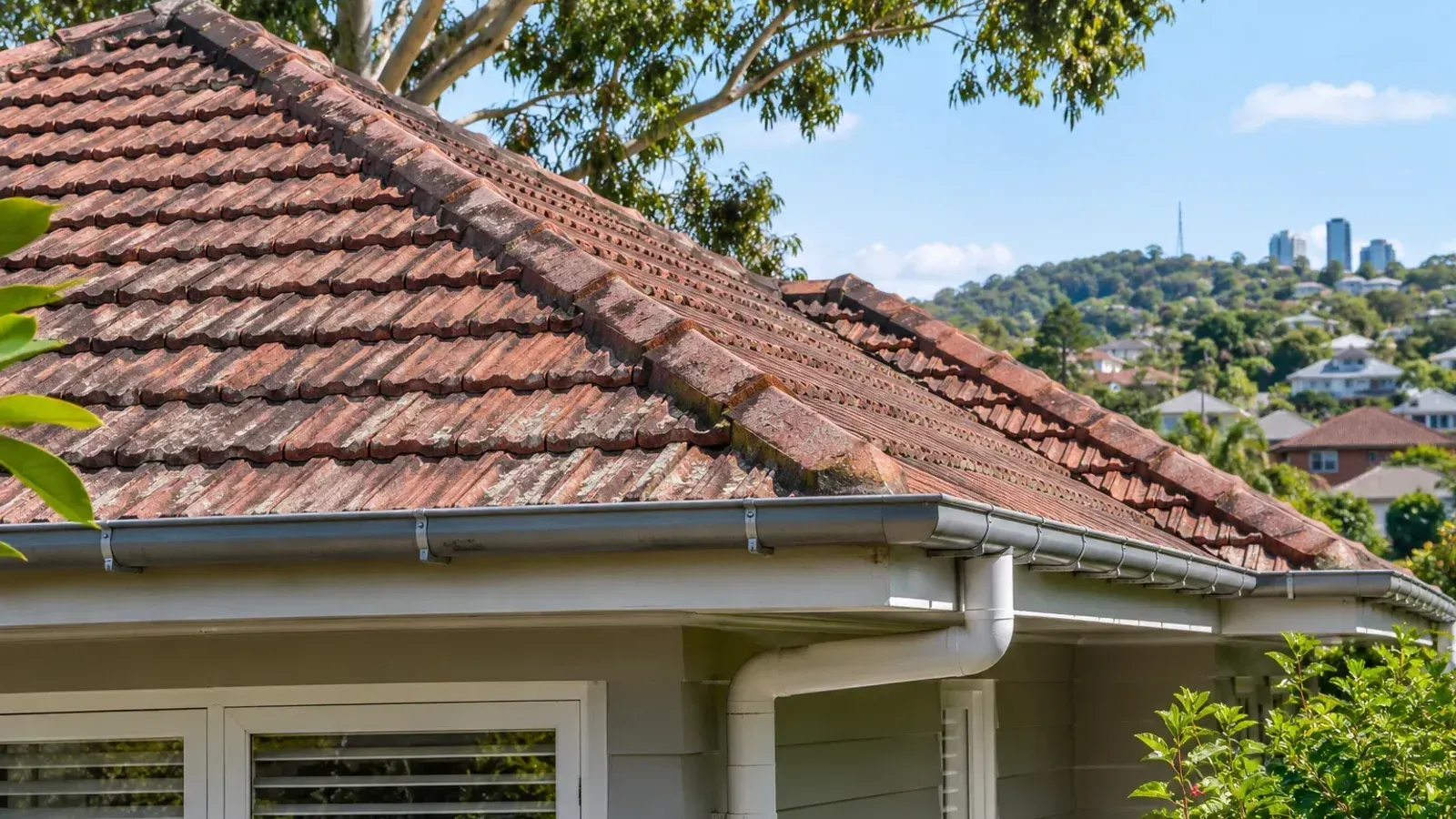
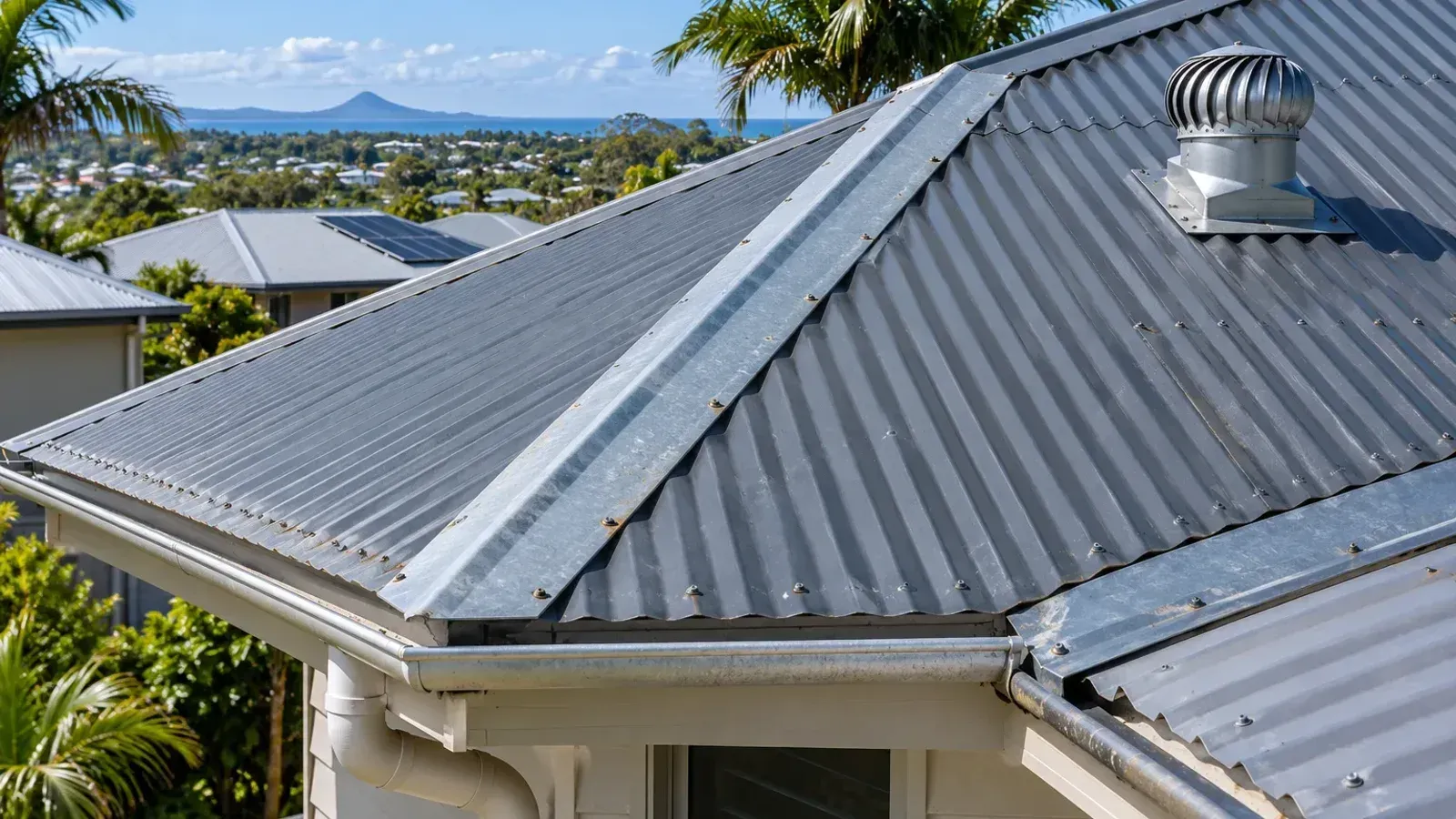
- Roof material. Concrete tiles, terracotta tiles and metal sheeting each age differently, so the signs worth watching differ too.
- Exposure. Salt spray, strong sun and wind-driven rain are harsher on roofs facing the ocean or sitting on a ridge.
- Shade and moisture. Roofs under trees or on the shaded side of a house can stay damp and grow lichen or moss.
- Earlier work. A previous coating applied over poor preparation may peel sooner than the original finish.
Build a maintenance timeline
Record the installation date if known, the last repair and repaint dates, and when problems first recurred. Keep invoices and photos together, including any passed on by previous owners. A recently repainted roof with persistent water entry needs diagnosis of the leak before another coating is considered.
A timeline also helps when you talk to a roofer. It shows whether a problem is new, seasonal or returning after earlier repairs, which affects what the quote should cover.
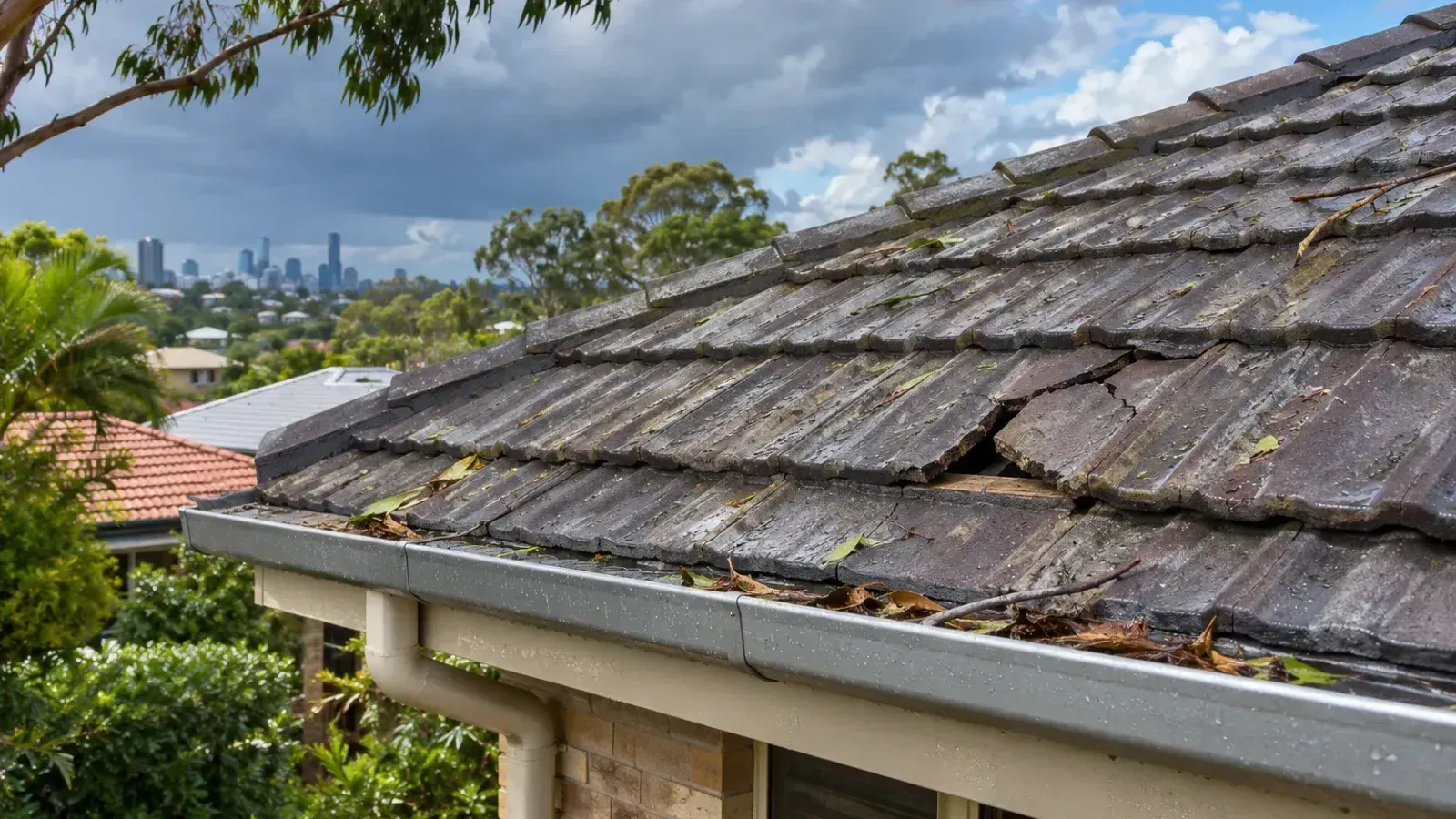
Gutter and valley condition belongs in the record too. Leaves and silt that build up in valleys can hold water against tiles or sheeting, and overflow during heavy rain can show up as staining on fascias or eaves. Noting when you first saw these signs, and whether they returned after earlier work, gives a roofer a clearer picture of how the roof is ageing.
Use events as well as dates
An extension, severe storm or change to a roof penetration can justify attention before a calendar reminder. After a summer storm, look from the ground for displaced tiles, debris in valleys or new stains on ceilings. Conversely, a stable finish on a sound roof is not proof that full restoration is due just because a typical interval has passed.
Signs that suggest it may be time to request a quotation include:
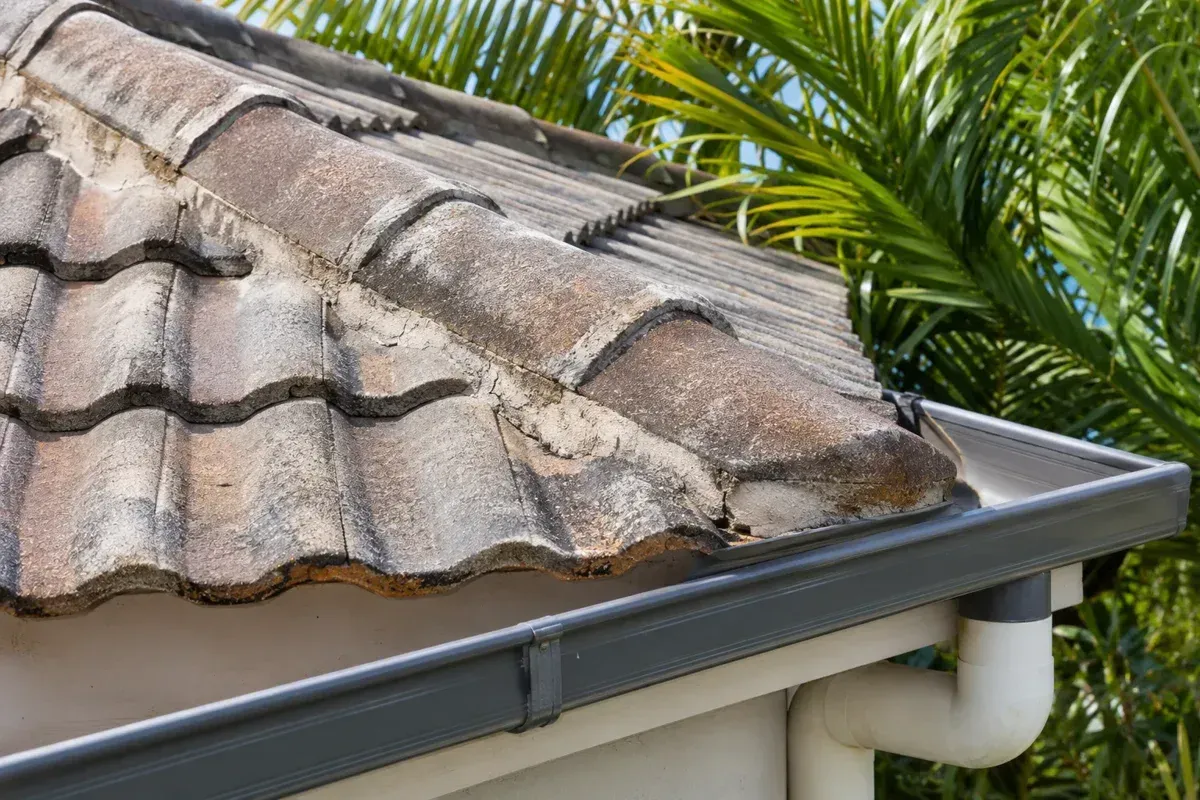
- faded, chalky or peeling coating across large areas
- cracked pointing or loose ridge caps on a tiled roof
- widespread lichen or moss that keeps returning
- rust spreading from laps, fixings or cut edges on metal sheeting
What if a neighbour restored at the same roof age?
Compare exposure and history as well as age. A property sheltered from surf with its original finish may need different work from one with an earlier failing repaint. Ask the roofer to show photos of your roof's condition and explain why the recommended work suits it.
JMZ specialises in roof restoration and membrane painting. Its restoration scope can include minor visible broken, cracked or chipped tiles. Arrange metal roof repairs, sheet replacement or structural work with a suitably qualified roofing contractor before painting.
For more on each roof type, see JMZ's guides to tile roof restoration, terracotta roof restoration and metal roof restoration.
FAQs
Is there a standard interval between restorations?
No single interval suits every roof. Material, exposure, the quality of earlier work and maintenance all change how long a finish lasts, so condition is a better guide than age alone.
Does a storm mean the roof needs restoring?
Not necessarily. Storm damage may need a specific repair rather than a full restoration. Ask for photos that show what was affected and whether the rest of the roof is sound.
Can restoring too early waste money?
It can. If the existing finish is stable and the roof is sound, recoating may add little. A clear quote should explain what condition justifies the work, and JMZ’s answers to roof restoration questions cover more of the process.
Deciding when to restore
Timing for coastal Queensland roof restoration should follow the roof's condition and history, not a calendar alone. Keep records, watch for change after storms and alterations, and request a roof restoration quotation from JMZ when the signs point to it.