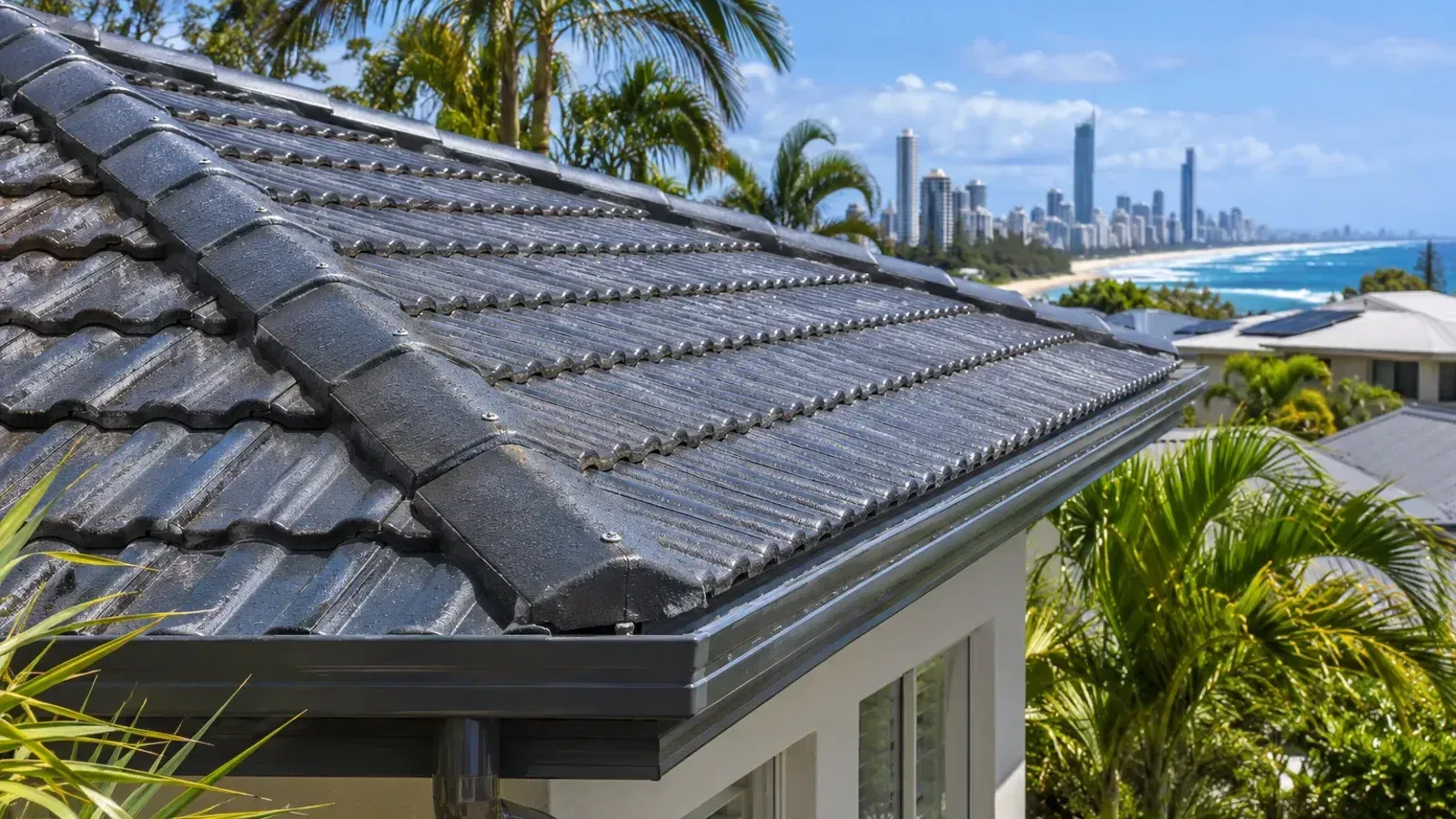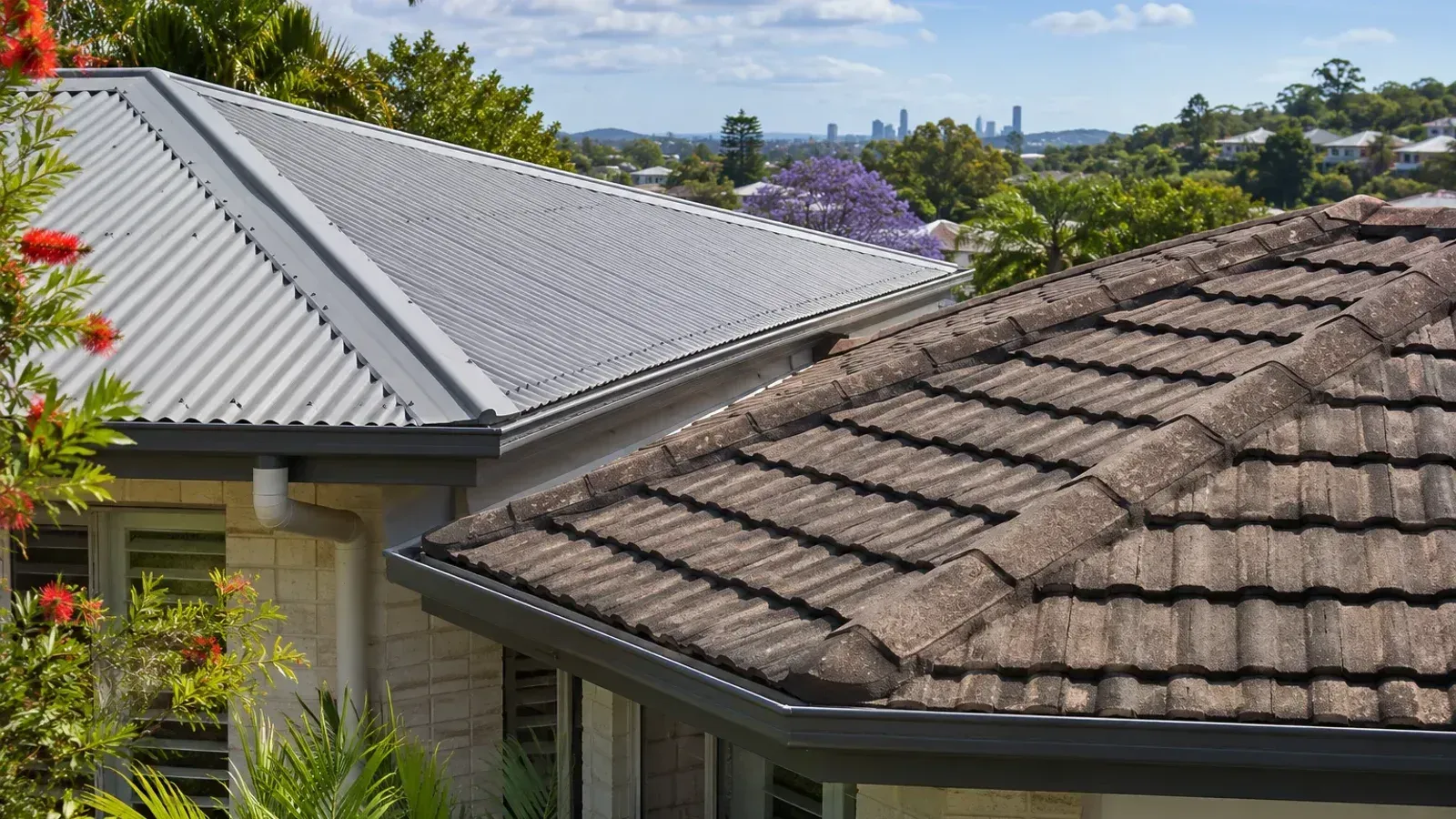
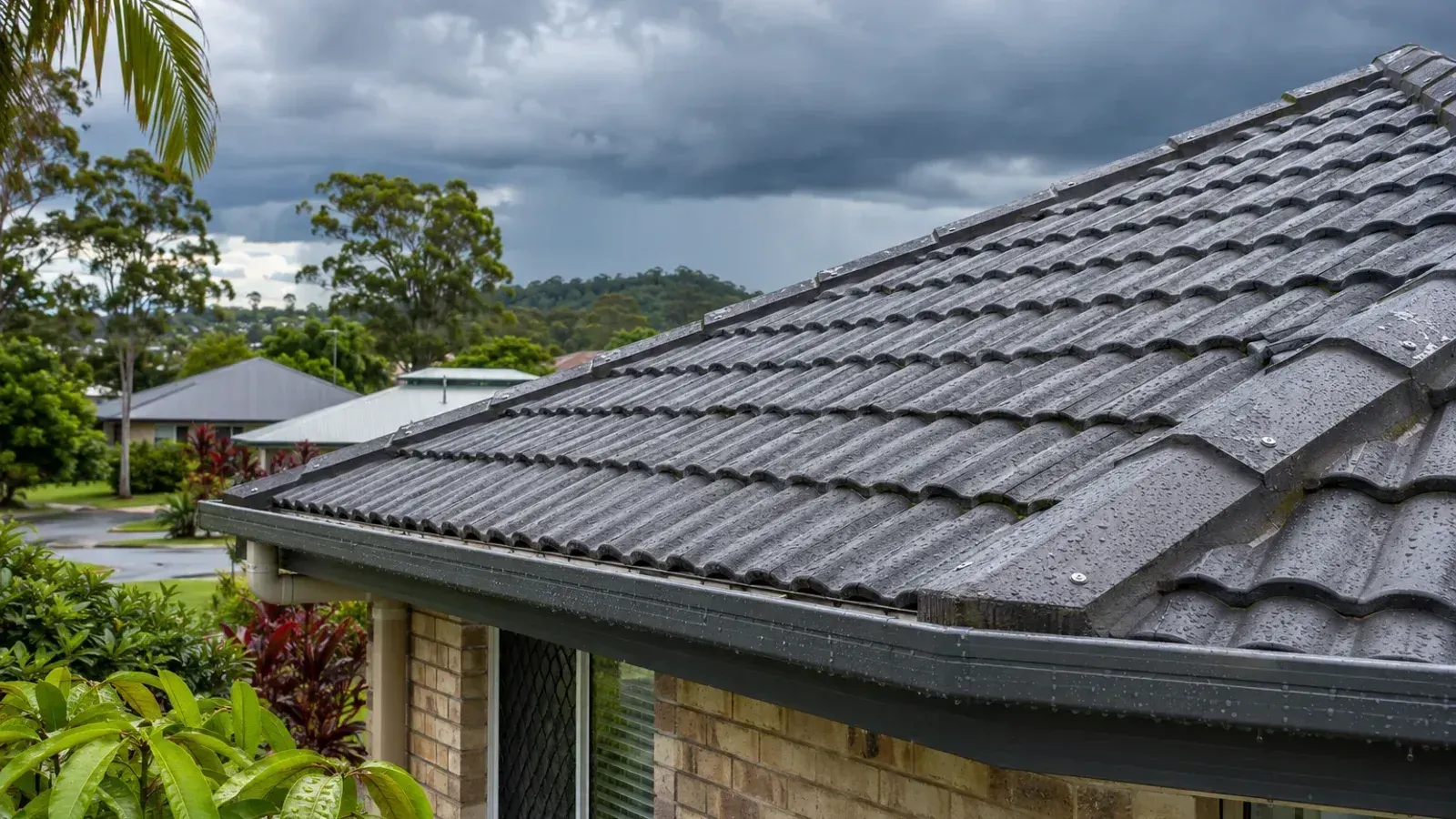
The right roof materials in Logan are the ones that suit your building as a complete system. Material alone does not determine how a roof performs in a storm. The design, pitch, fixings, drainage and condition of the completed roof all matter. Start with whether you are maintaining an existing roof or planning a replacement, because the questions differ for each.
What storms and humidity mean for roof materials in Logan
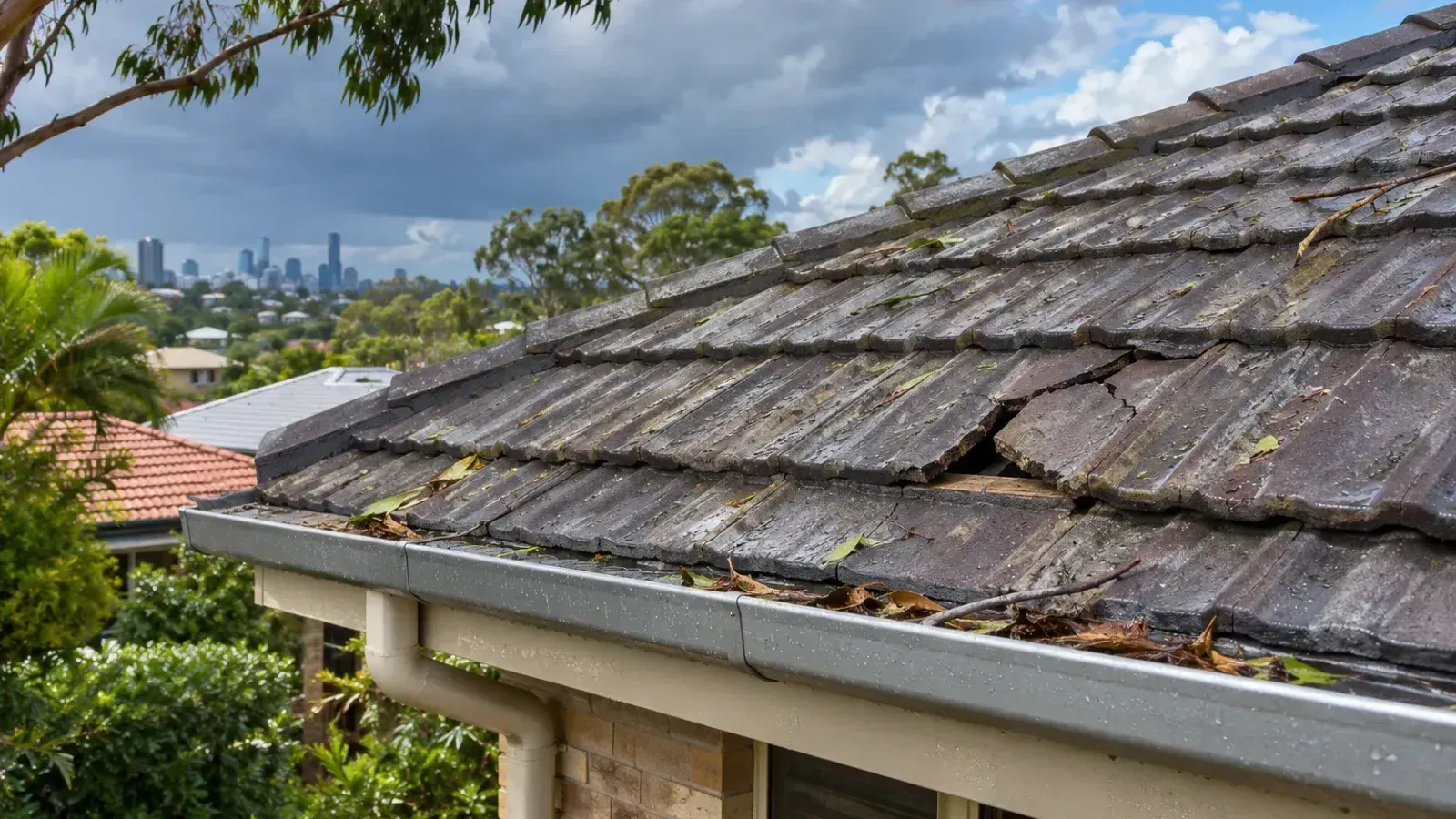
Logan sits in south-east Queensland's subtropical belt, so roofs deal with long humid summers, strong UV and storm cells that can bring heavy rain, gusty winds and sometimes hail. Humidity encourages lichen, mould and moss, especially on shaded slopes, under trees and on homes near bushland in suburbs such as Shailer Park, Daisy Hill or Cornubia. Storms test the edges of a roof: ridges, valleys, flashings, gutters and anything fixed through the covering.
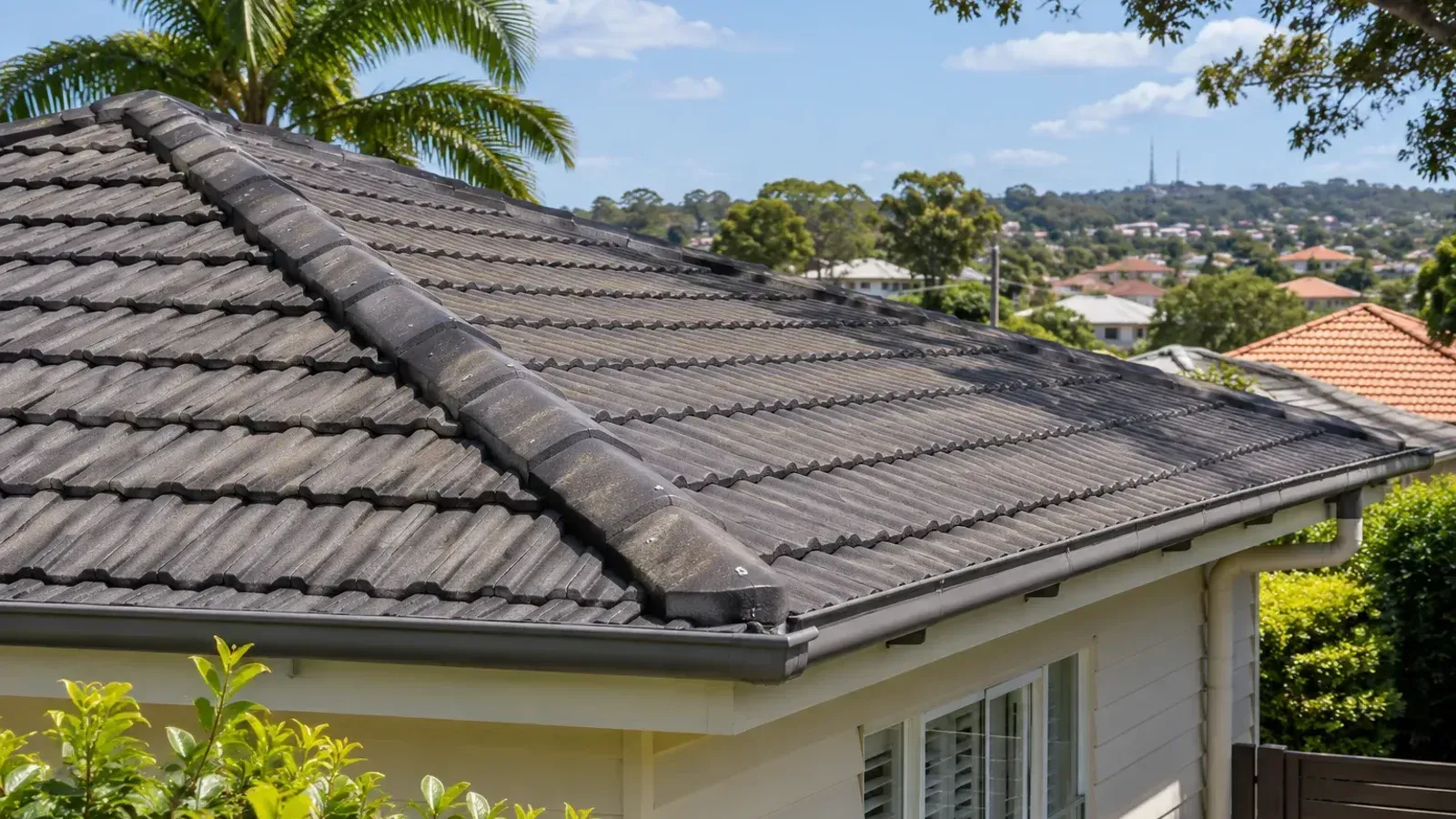
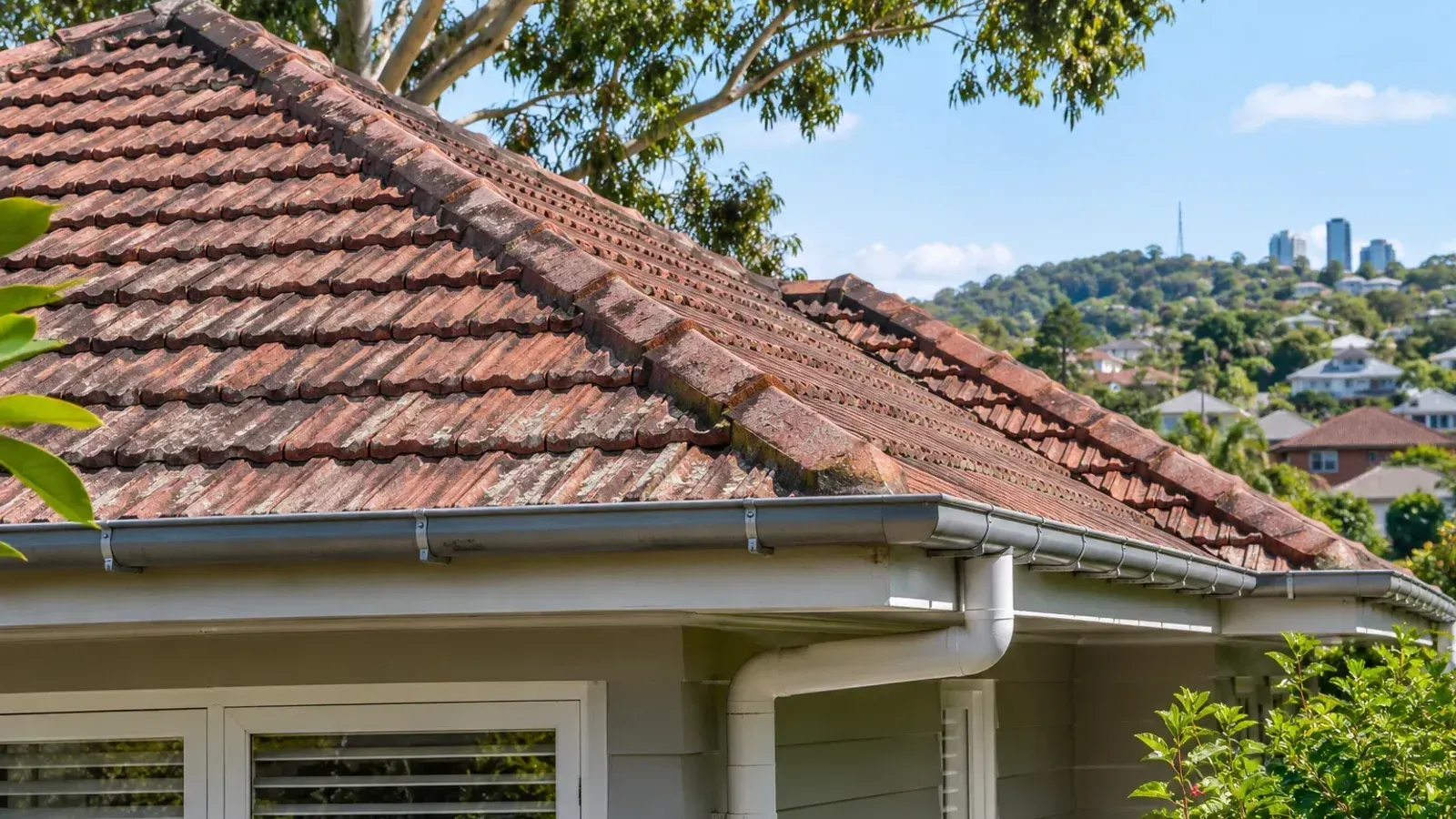
Both tiles and steel can perform well here when they are properly designed, fixed and maintained, and both can fail at the details. Across Logan you will see brick-and-tile homes from the 1970s to 1990s beside newer estates roofed in pre-painted steel. That variety is a reminder that the comparison should be about the whole roof, not a material label.
Compare complete proposals
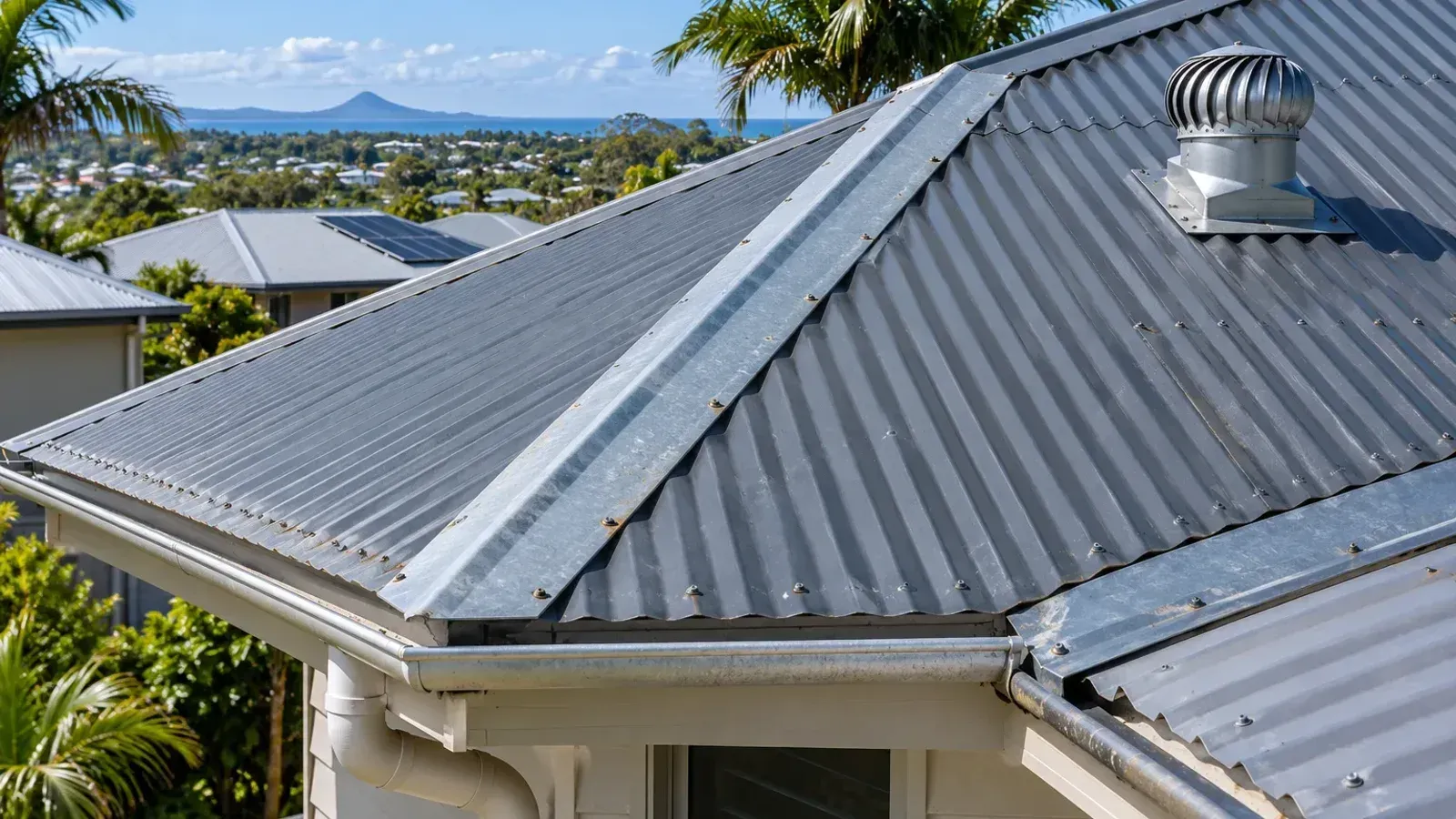
For steel, ask about sheet profile, finish and compatibility of fixings. For tiles, ask about profile, roof structure and replacement availability. Where the covering is changing, have the proposed system assessed for the building. Useful questions include:
- Is the existing roof frame suitable for the proposed covering, and who has checked it?
- For steel, are the fixings and flashings compatible with the sheet finish, and is the finish suited to the site's exposure?
- For tiles, can matching replacement tiles be sourced if some break later?
- How will condensation and ventilation under the new covering be handled?
- Who is responsible for the design, and for any approvals or certification the work needs?
Get the answers in writing. Two quotations that name the same material can describe quite different roofs once the fixings, flashings and gutters are spelt out.
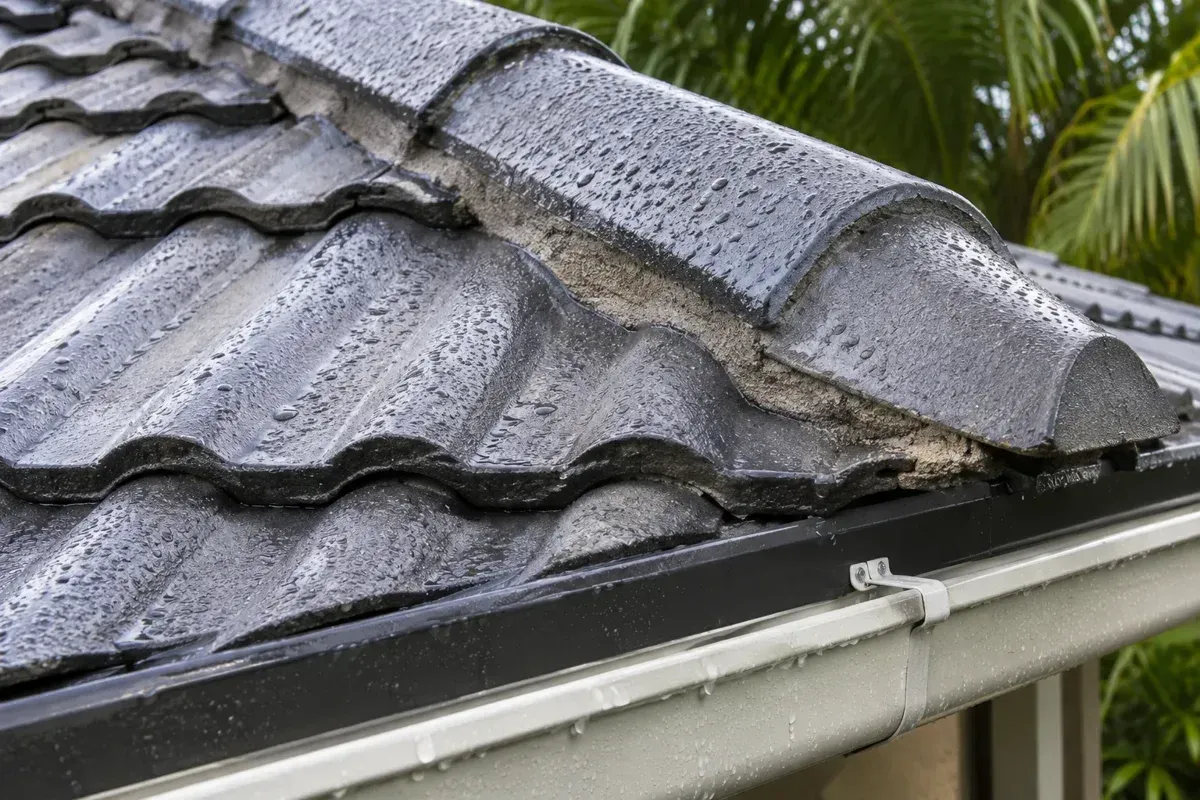
Compare the vulnerable details
On either material, penetrations and changes of roof pitch deserve attention. For a replacement, establish how the new roof connects to an existing verandah, wall or gutter. These interfaces can be overlooked if the discussion focuses only on the chosen colour or material.
Many Logan homes have been extended over the years with patio roofs, enclosed verandahs or a granny flat, each joined to the original roof. Points to raise with the roofer include:
- Where a lower roof meets a wall, and how the flashing is detailed
- Valleys that collect water from two slopes and feed one gutter
- Vents, skylights, solar panel mounts and other penetrations
- Gutters and downpipes that will receive water from a larger or steeper roof
Ask how each of these will be finished and who is responsible if water gets in at that point.
Maintaining the roof you already have
If the existing roof is structurally sound, restoring it can be compared with replacement. A restoration typically involves cleaning, attending to ridges and minor tile damage, and applying a membrane coating. JMZ's tile roof restoration and metal roof restoration pages explain what each process involves, and the roof colour charts help once the practical questions are settled.
JMZ specialises in roof restoration and membrane painting. Its restoration scope can include minor visible broken, cracked or chipped tiles. Arrange metal roof repairs, sheet replacement or structural work with a suitably qualified roofing contractor before painting.
FAQs
Is a metal roof better than tiles for Logan storms?
There is no single answer. Each material can perform well or poorly depending on the roof's design, fixings, pitch and condition. Ask the roofer to explain how the proposed system suits your building and site, rather than relying on general claims about one material.
Is higher material cost a guarantee of better storm performance?
No. The proposed roof must suit the building and conditions as a complete system. Ask who is responsible for the design, fixings and interfaces with existing construction.
Does humidity affect a roof coating?
Lichen and mould can grow on most roof surfaces in humid conditions, and slopes that stay damp in shade tend to show it first. During a restoration the roof is cleaned before it is coated. Ask the roofer how they prepare the surface and what upkeep they suggest afterwards.
Choosing well for a Logan roof
When comparing roof materials in Logan, judge the whole proposal: the structure, fixings, flashings, drainage and the people responsible for them. If you are keeping your current roof, read JMZ's answers to roof restoration questions, then request a roof restoration quotation from JMZ.