Living by the coast has its perks. The sea breeze, fresh air, and ocean views make every day feel like a holiday. But when it comes to the roof over our heads, that same salty air can really wear things down faster than you’d think. Wind picks up without warning, summer heat hits hard, and storms roll in thick and fast.
That’s why steel roof restoration matters so much in coastal areas. If we wait too long, little issues turn into much bigger ones, especially when we hit that hot, stormy stretch around Christmas. With summer just around the corner, it’s the perfect time to take a closer look at why steel roofing needs special care near the beach, and what makes this the right season to act.
How Coastal Weather Affects
Steel Roofing
Homes near the water cop a beating from the coastline’s year-round conditions. We see tired-looking steel roofs more often in these areas, and there’s a reason for that.
- Salt in the air causes surface paint and coatings to break down quicker than usual. Once that layer goes, rust starts to set in.
- Summer heat doesn’t help either. Strong sun can fade colour, dry out old sealers, and leave metal exposed.
- Constant wind adds one more challenge. Over time, it can knock loose screws, shift sheets slightly, or lift flashing without notice.
These aren't one-off problems. They build up season by season, especially if the roof hasn't been checked in a while. What starts small can create space for water to get in. And once a Queensland storm hits, that can get messy fast.
Salt spray from the ocean travels further than most people realise, clinging to surfaces and finding small gaps in the roof’s finish. Even homes a few streets back from the beach feel the impact, especially when the wind whips inland. Over time, this salt settles on the roof, pairing with humidity to speed up corrosion. In a coastal zone, these small factors add up and make it even more important to keep regular checks on any steel roof.
What Steel Roof Restoration Involves
Restoring a steel roof doesn’t mean replacing everything. It’s about giving the roof the care it needs to stay solid and sealed through the seasons ahead.
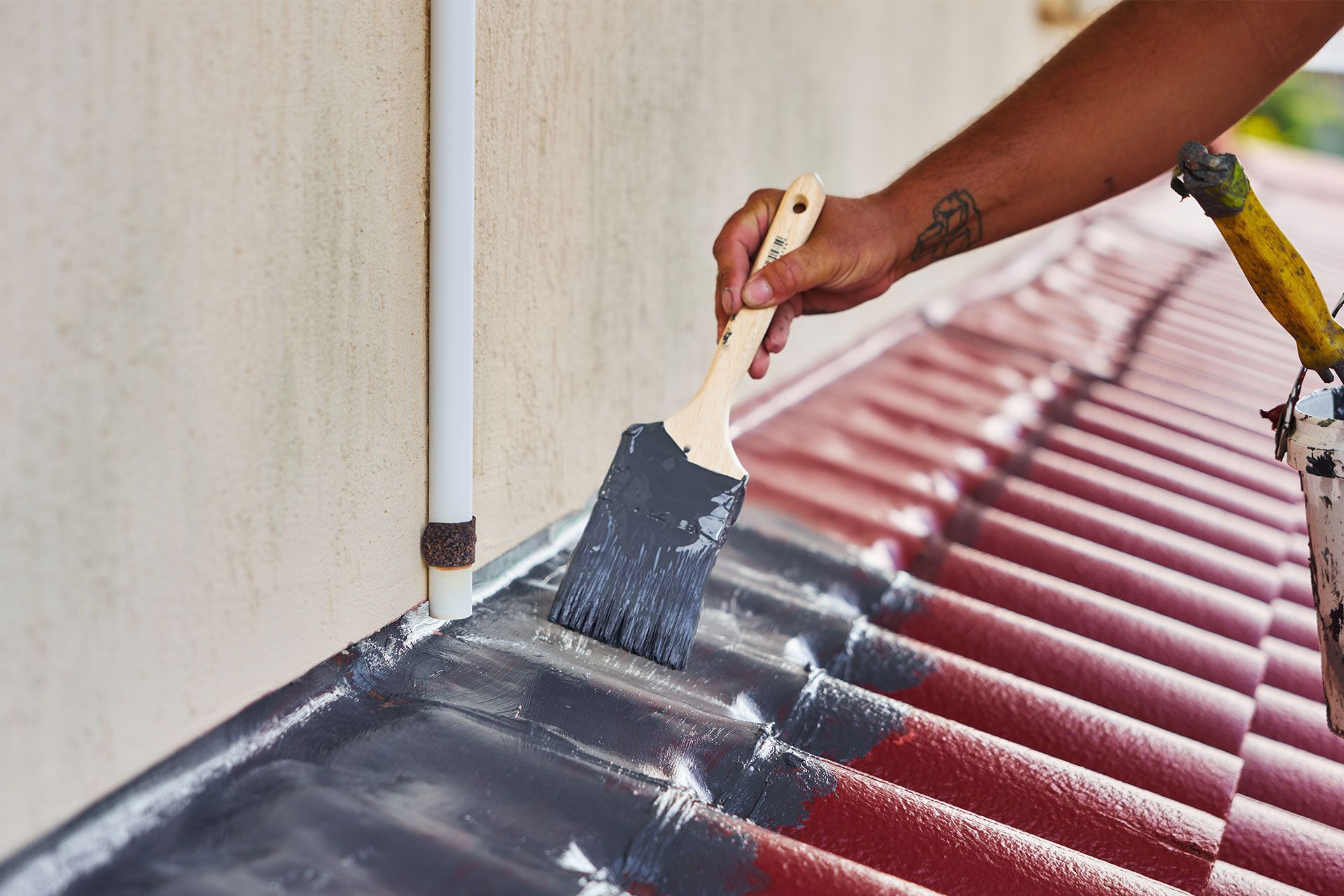
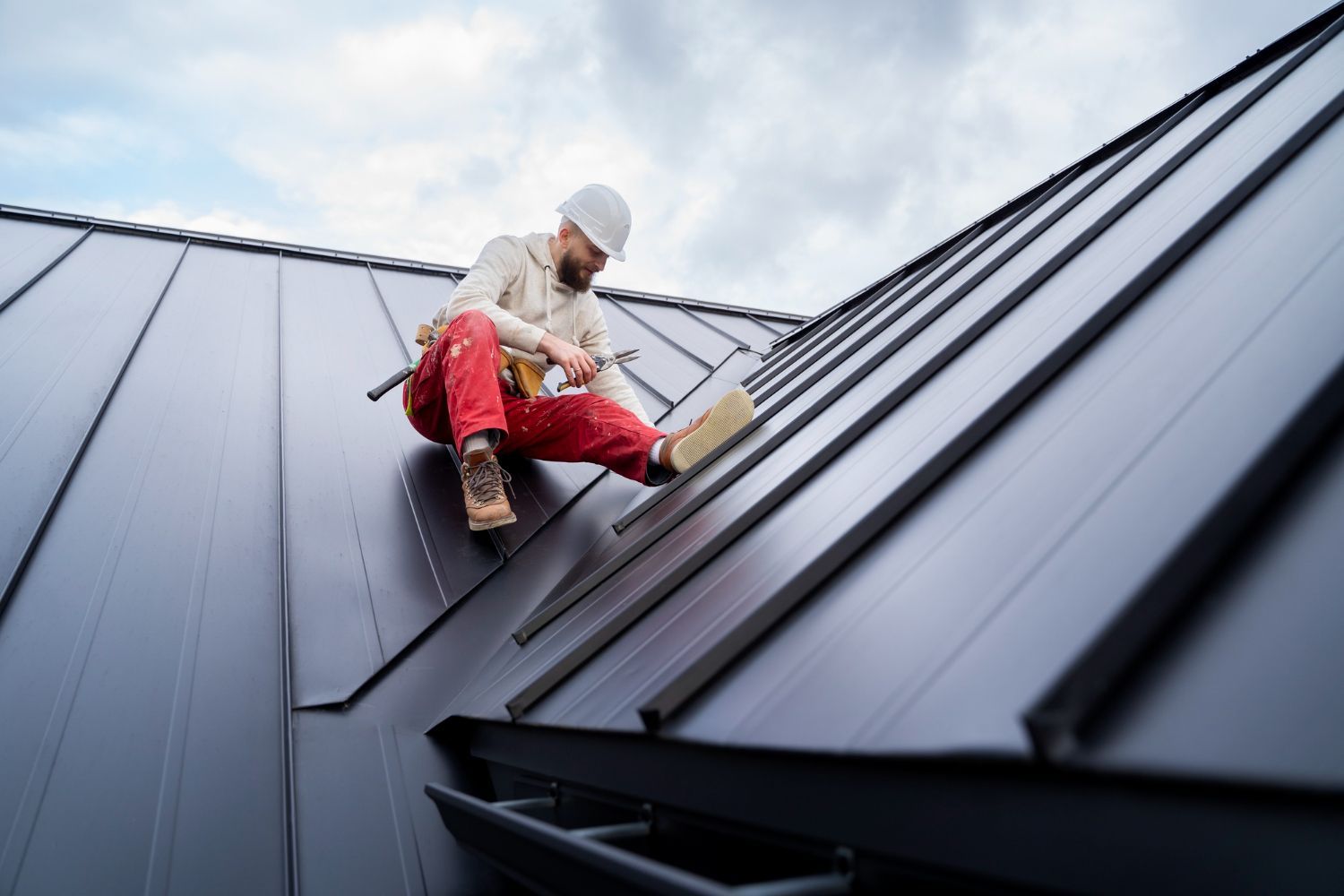
- We start with a deep clean. This clears off the salt, grime, and anything else building up on the surface.
- Then we check and rescrew where needed. Loose fasteners are more common than most people realise. Even a handful can open up entry points for water.
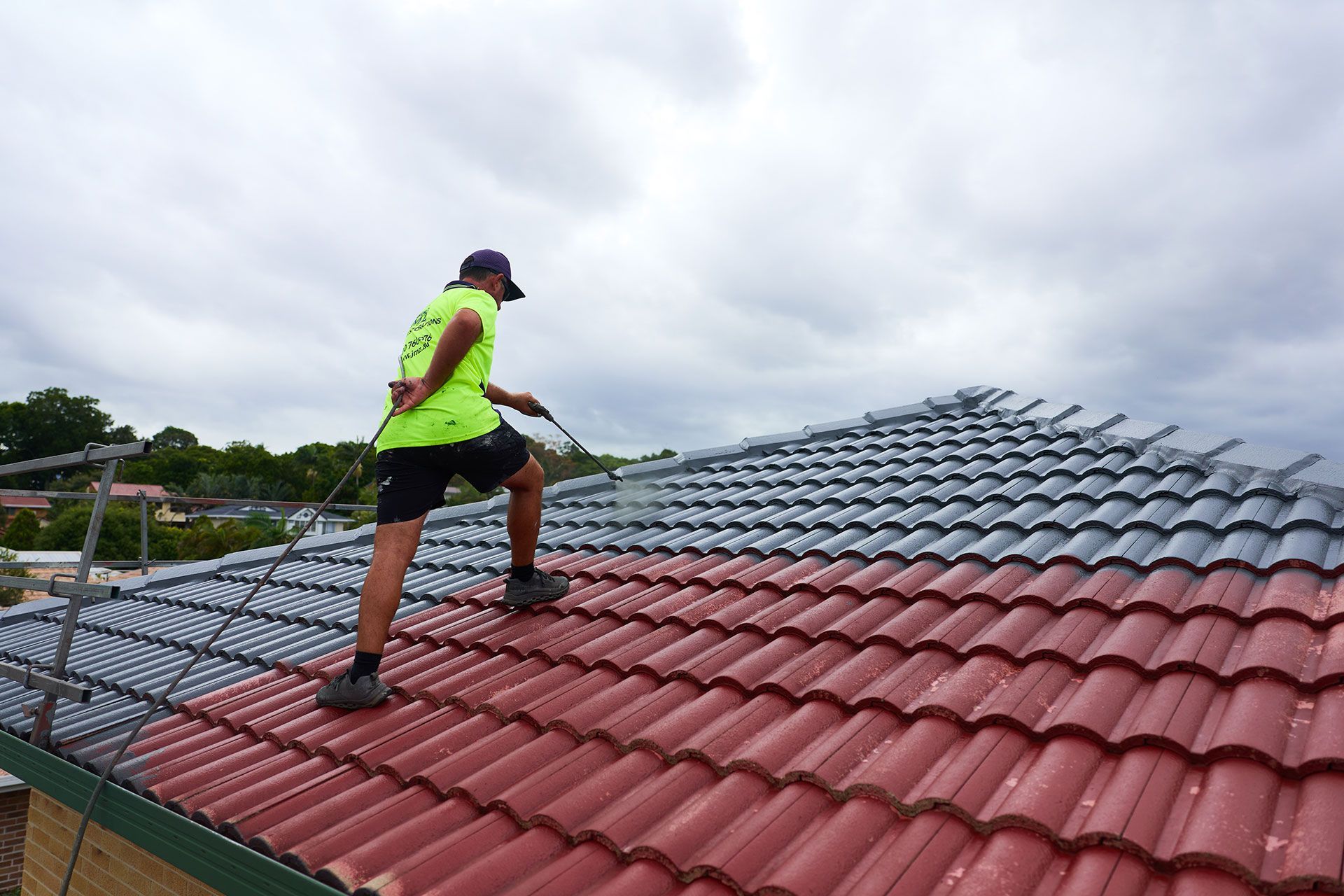
- Finally, recoating helps restore the protective layer. It brings back waterproofing and reflects heat, which means better comfort inside the home on hot days.
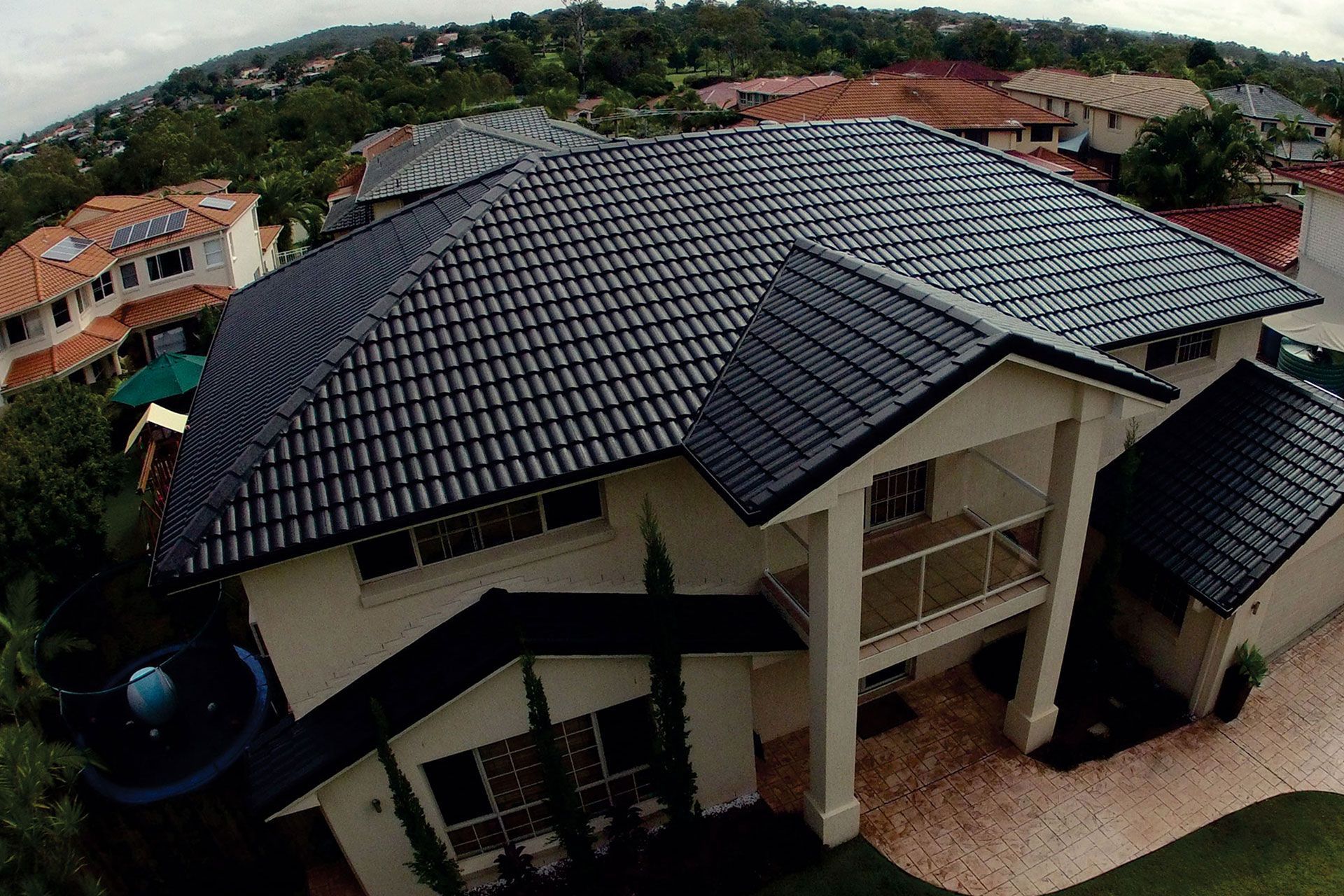
We provide comprehensive restoration services for metal, tiled, and terracotta roofs, using only quality materials approved for Queensland conditions. By the end, the roof isn’t just looking better. It’s working better too, shedding water properly, resisting rust, and holding firm when that summer rain comes down.
There’s a difference between a simple clean and a true restoration. A professional job means each layer is checked and any fading, peeling paint is removed or repaired before new coats go on. The screws matter as well, because over years, even well-installed fasteners can work loose, letting in water or wind. Recoating is more than a fresh look; it’s the new barrier that stands up to the sun, salt, and showers, making future maintenance easier and keeping trouble at bay.
Early Warning Signs to Look For
Not every roof problem shows up straight away after a storm. Some warning signs creep in quietly, and they’re easy to miss unless we know what to look for.
- Surface rust on roof sheets, especially along edges or under overhangs, is one good indicator.
- Paint that’s flaking, faded, or bubbling can often mean the old coating isn’t doing its job.
- Loose screws or movement around joins can suggest the roof’s not as tight and sealed as it should be.
- Inside the house, look for stains on ceilings, damp walls, or a musty smell. These can point to slow leaks working their way in.
- And finally, if the roof’s more than 10 years old and hasn’t had a refresh, it might be time to act even if there’s no visible damage yet.
We recommend regular inspections to help catch these issues early, as part of our commitment to extending the life of your roof in coastal environments.
These signs aren’t always dramatic. But they’re worth paying attention to now, before one of summer’s big storms finds its way through a small opening.
It’s especially important to check after long hot spells when materials can shrink, leaving gaps that invite in water during a sudden downpour. Even if things look okay from below, looking for shadow lines or patchy spots can tip you off that something's changed. Catching surface rust or worn paint early means small fixes, not major headaches down the track.
The Right Time to Act Before Summer
Brisbane summers bring more than just sunshine. We get big downpours, sticky heat, and humid stretches that hang around for days. Trying to do roofwork in the middle of that is tough and unpredictable.
December gives us that last clear stretch before the weather closes in. We’ve still got enough dry days to finish everything properly, from washing down surfaces to waiting for coating to cure.
- Summer storms often kick off hard by late December, so treating issues early helps us avoid emergency patch-ups later.
- Contractors start filling up fast this time of year, which means waiting too long could delay the work for weeks.
- Dry conditions now also mean better finishes and stronger results. Moisture in the air plays havoc with coatings, paint, and even screws if left exposed.
Getting in ahead of the holiday rush makes the whole process a lot smoother.
It’s tricky to fix roofs once daily storms start to roll through. Wet weather can slow down or halt work, stretching out simple repairs into week-long projects. Getting everything checked and coated before the summer rush means no extra waiting around while the clouds hang heavy. It’s also safer for everyone, less rushing on a wet, slippery roof, and a better end result that lasts through the season.
Why It Pays to Be Proactive
A steel roof might seem solid on the outside, but small bits of wear can turn into big problems later if we leave them alone.
- Fixing surface issues now helps stop rust from spreading underneath the paint.
- Keeping the roof sealed protects the home’s insulation, lighting, and ceiling from water that sneaks in during a storm.
- It also avoids sudden surprises when we’ve got guests over for summer break and the weather turns sour.
Just knowing the roof has been seen to gives us one less thing to worry about through the holidays. And when heavy rain starts pounding down, we’re not holding our breath wondering if the water’s going to stay out.
In coastal spots, water can work its way in little by little, first through a gap, then under the paint. What starts as a drop can quickly become a stain inside after heavy rain. The roof also shields other big investments, like insulation and electrical work. Sorting out weak points now means we don’t have to scramble for fixes after the fact when everyone’s already busy. A quick inspection and some preventative work are worth their weight in peace of mind.
Stronger Roof, Safer Summer
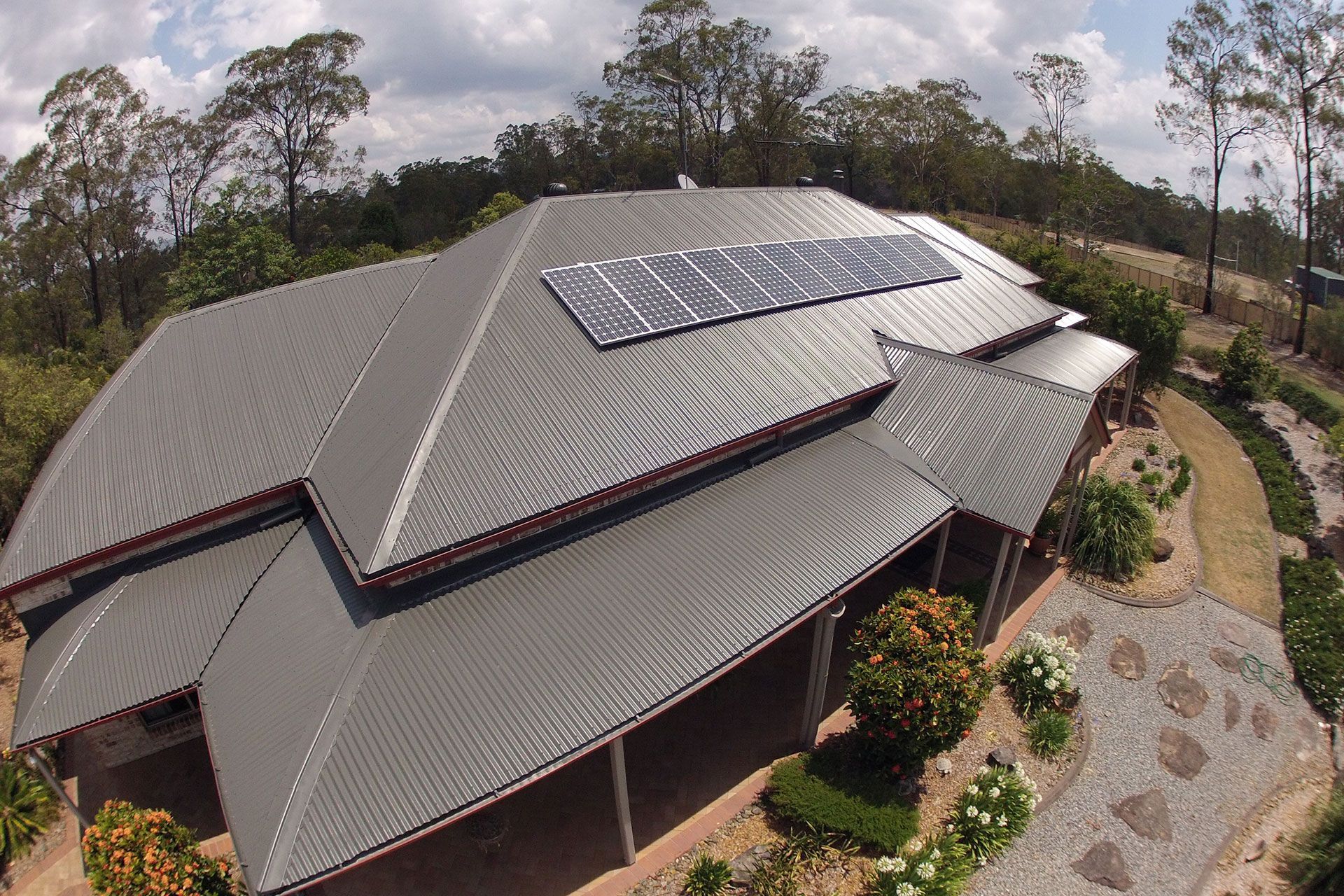
Coastal homes are always going to face more wear and tear than those further inland. That’s just how it goes when you’ve got sea breeze, salt-filled air, and high summer heat working on the roof every day.
Taking the time now for steel roof restoration puts the house in a better spot heading into summer. It gives the roof a clean slate, tightens everything back up, and puts a solid barrier between what's outside and what's inside.
A restored roof over summer isn’t just about comfort. It’s about peace of mind, knowing the home’s ready for whatever the season throws at it.
No matter how strong your roof was to start with, everything needs a tune-up at some stage. A little extra care before summer makes all the difference, cutting the risk of leaks, rust, and repairs in the future. The roof is your home’s first line of protection, so it pays off to keep it strong and weatherproofed, especially in the months when the weather is at its wildest.
Get Summer-Ready Today
Noticing surface rust, loose screws or a faded coating on your roof is a sign to act before summer storms hit full swing. Coastal weather in Brisbane doesn’t wait, and regular maintenance goes a long way to preventing costly issues down the track. We recommend a professional
steel roof restoration while the weather is still on our side. At JMZ Roof Restorations, we help homeowners across Brisbane give their roofs a fresh start before the rain arrives. Give us a call to discuss what your roof might need.
Explore more: Roof Restoration Moreton Bay | Roof Maintenance Tips | Why Roof Coatings Matter