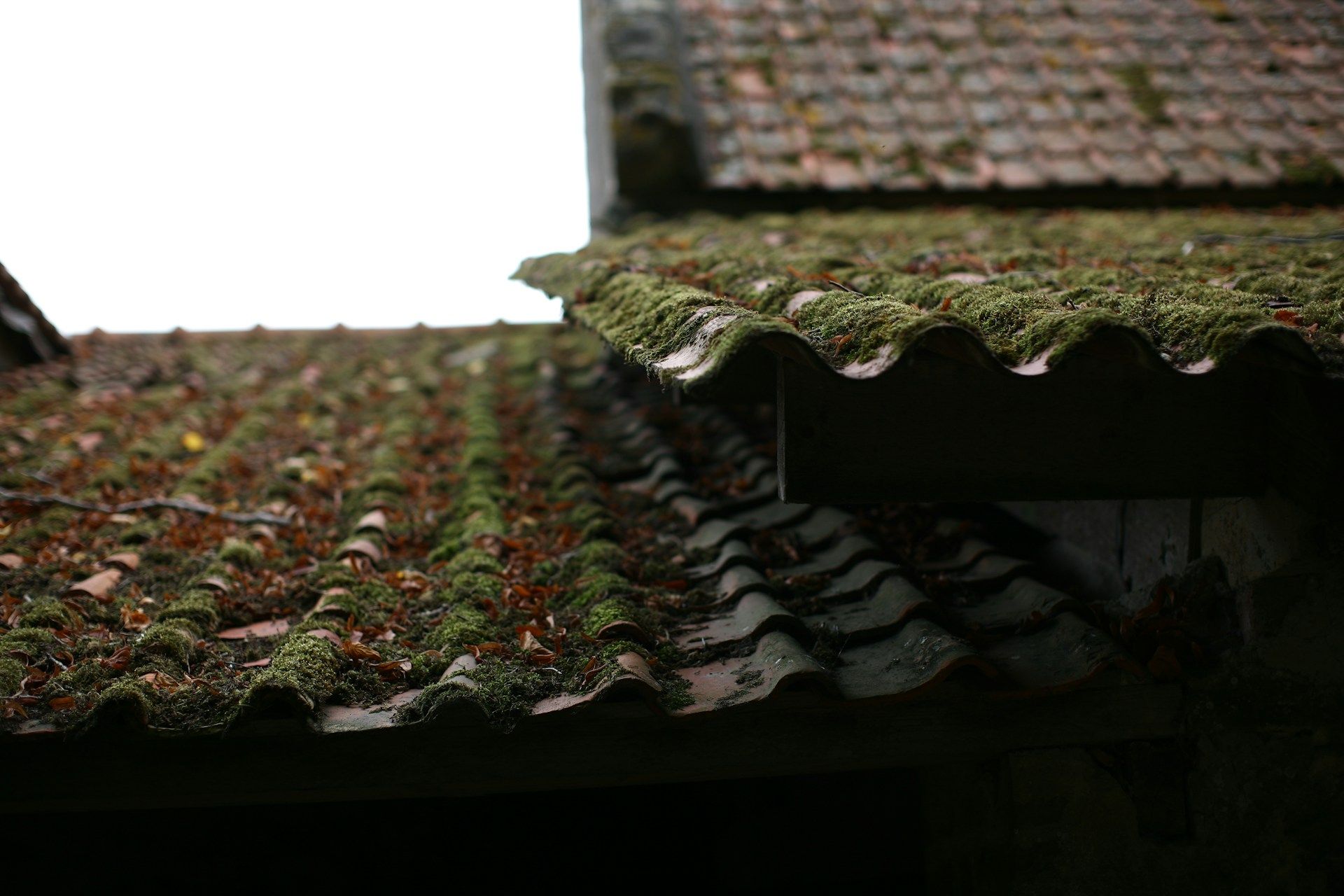
In Brisbane, we get our fair share of heat and storms, especially through summer. Combine that with high humidity, and your roof can take a beating over time. One of the more hidden problems that often creeps up is mould growing under roof tiles.
It might not be something you notice straight away. But over time, mould under your tiles can lead to indoor smells, stains on ceilings, or even cause damage inside your home. It’s the kind of issue that tends to go unnoticed until it’s already created bigger problems.
We see this a lot across the region, which is why we pay close attention to what causes it in the first place. With tile roof restoration in Brisbane being such an important part of keeping mould out, understanding what triggers the mould is the first step.
Moisture Trapped Under Tiles
One of the biggest factors that leads to mould is rainwater getting through the roof and not drying up properly. Brisbane’s summer storms are often short but heavy, and it doesn’t take long for water to sneak in through cracks or broken tiles. If the roof hasn’t been sealed well, or some of the flashing is a bit loose, water can seep under and get trapped.
The real trouble starts when that water gets stuck and can’t dry out. With our humidity, the roof space underneath those tiles stays damp for far too long. Mix that with warm temperatures, and it’s the perfect recipe for mould to grow.
Here’s what makes moisture stick around:
- Cracked or slipped tiles after hail or high winds
- Old sealants that have worn away, letting in water and air
- Flashing that’s rusted or pulled away from the tile edges
When water gets in and doesn’t dry fast, it heads straight into the underlayer. Once mould starts growing there, it’s not going to stop until the moisture problem is handled.
Lack of Roof Ventilation
A well-ventilated roof helps move hot and damp air out. But if your roof space isn’t breathing properly, that heat and moisture just stay put. And when that happens, the underside of your tiles becomes warm and damp all the time.
A roof without proper airflow will:
- Trap warm air inside the roof space
- Build up humidity below the tiles
- Create a dark, still area where mould quickly spreads
Ventilation troubles show up more in older homes or in houses where tile repairs haven’t kept up with time. If you’ve ever walked into an upstairs room and felt the air thick or noticed a musty smell, that’s a clue your roof space might not be venting like it should.
Leaf Build-Up and Blocked Gutters
Storm season in Brisbane means lots of leaf litter. Gum trees and other leafy trees will drop their branches and leaves across rooftops during strong winds. When that leaf build-up sits on your tiles or in the gutters, it can trap water and overflow it into places it shouldn’t go.
We often find that blocked gutters or valleys filled with damp debris keep water pooled up under tiles or along the edge of the roofline.
Here’s how leaf build-up can lead to mould:
- Water backs up and slides under edge tiles
- Gutters overflow and wet the fascia or roof base
- Leaves break down and attract spores that settle and spread
If the debris is never cleared, the area beneath your tiles stays just wet enough for mould to keep growing quietly, spread into timber and ceiling spaces, and create indoor problems.
Signs You Might Already Have Mould
Sometimes mould under your tiles has already crept deeper into your roof before you even realise it. And once it moves below the surface, it’s harder to spot without looking in the right places.
Some of the telltale signs include:
- A damp or musty smell that doesn’t go away
- Discoloured marks on the ceiling or walls, especially near corners
- Peeling paint or bubbling near light fixtures
- Cracked tiles you can see from the ground level
- Dark patches that appear after rain, then slowly fade
If you’re noticing these symptoms after a storm or during a stretch of humid weather, it could mean that mould has already taken hold under the tiles.
When Tile Roof Restoration Makes Sense
Once mould has started, it tends to be stubborn. One of the better ways to stop it in its tracks is by restoring the roof and fixing the things that let it get in to begin with. A full tile roof restoration in Brisbane doesn’t just fix leaks, it gives the whole roof structure a chance to breathe properly again.
As part of a restoration, reputable providers like JMZ Roof Restorations assess the roof for existing cracks, slipped tiles, and worn coatings, then carry out a detailed cleaning and resealing process to stop moisture and mould from reoccurring. The restoration process is suitable for terracotta, cement, and metal roofs, ensuring long-term weatherproofing and the preservation of property value.
We look for:
- Existing cracks or signs of water damage in tiles
- Mould growth along the underlayer or timber structures
- Tiles that have slipped out of place or lost their protective coating
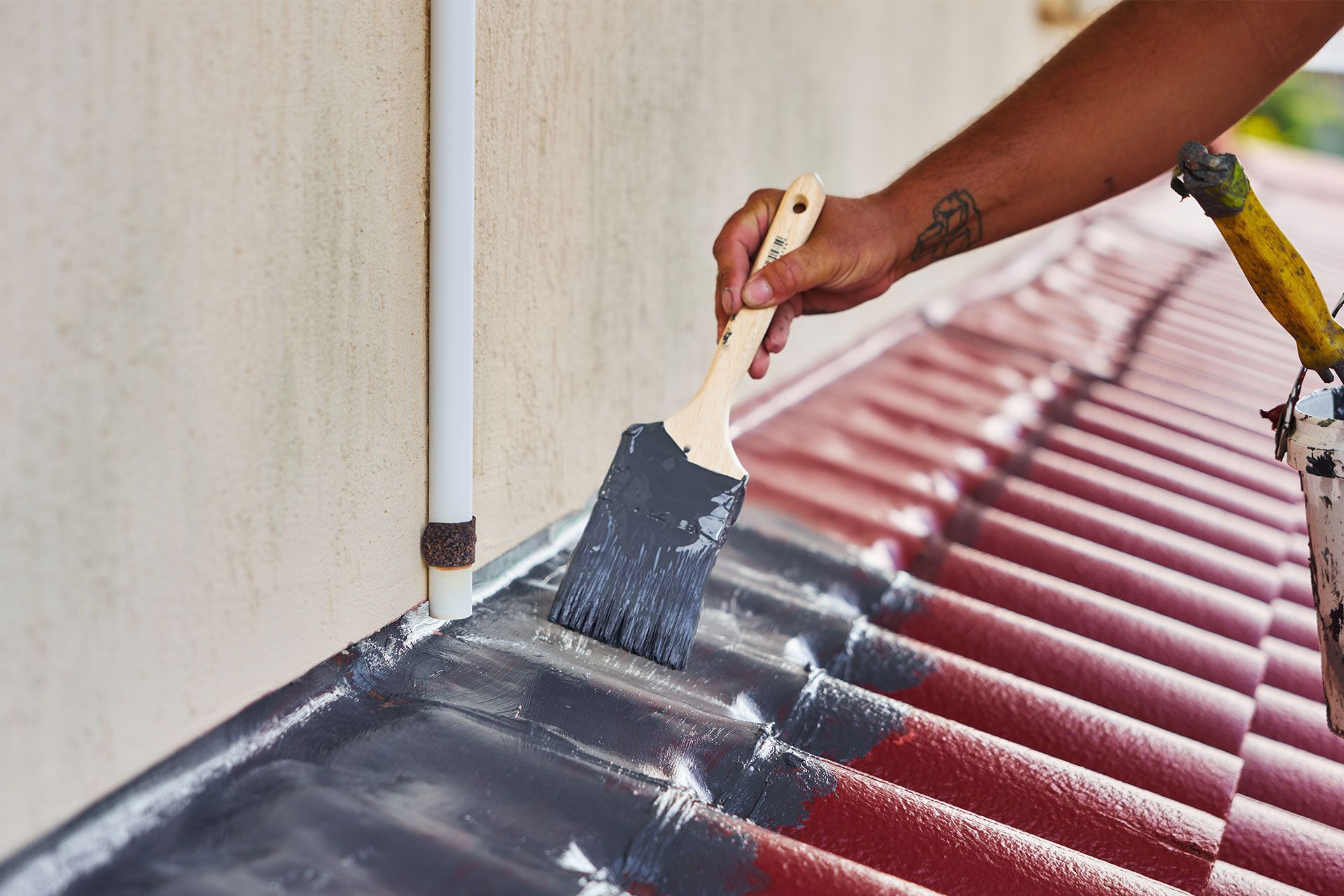
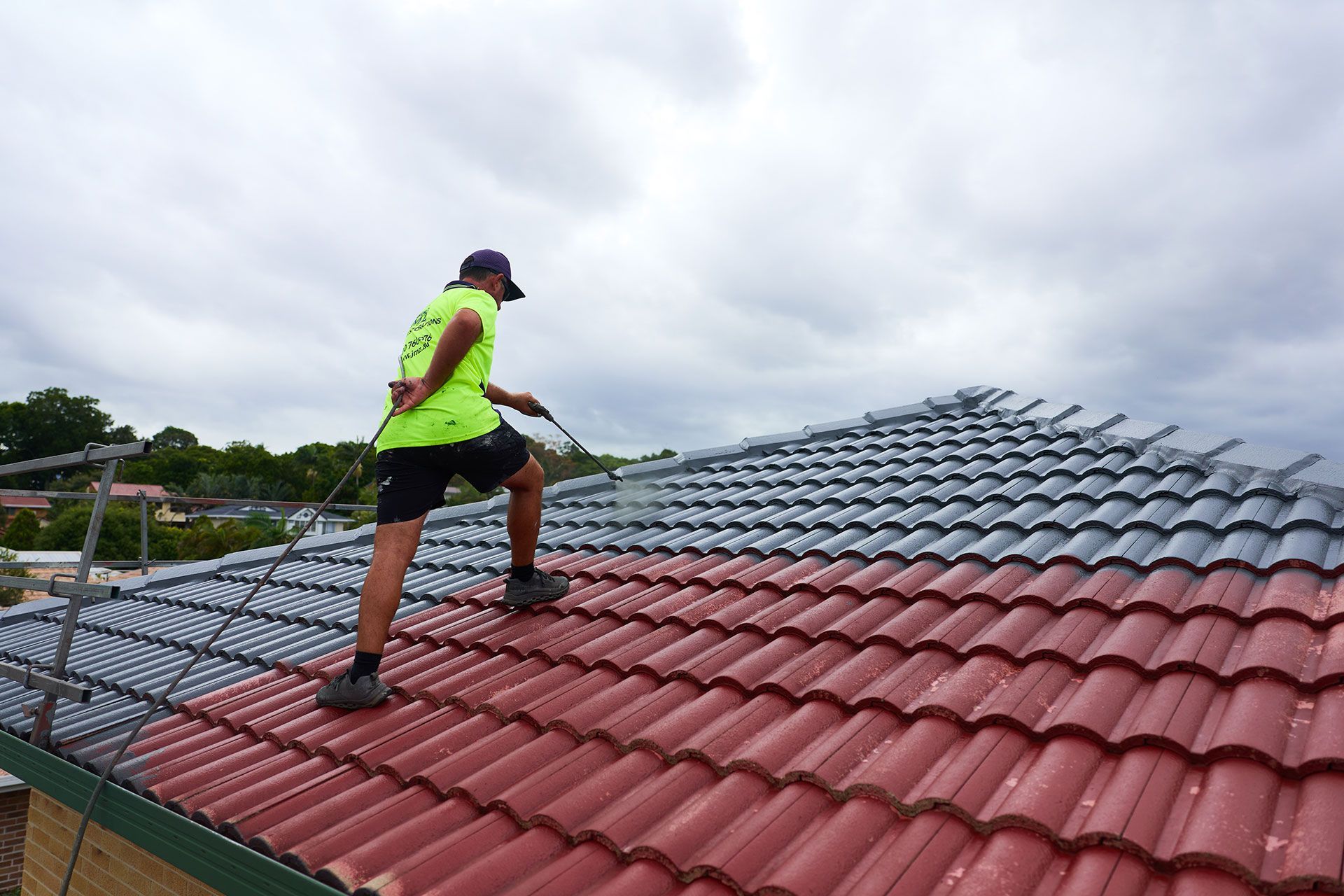
From there, cleaning and resealing the roof helps to get rid of any mould present. Repainting adds another layer of protection against rain and UV damage, which means new leaks are less likely to form. Restoring the tile roof is also a good time to check if ventilation needs a boost or if certain areas of the roof need extra sealing.
Protect Your Brisbane Home from Mould
The way Brisbane roofs handle summer weather makes them more likely to develop problems if ignored. Mould under roof tiles may start slow, but once the conditions are right, it grows fast and quietly. A damp roof space might not bother you right away, but long-term damage and indoor air quality issues can be hard to ignore.
By paying attention to signs of trapped moisture, poor airflow, and gutters clogged with storm debris, you can catch early warning signs before they turn into expensive repairs. Brisbane homeowners trust experienced specialists in roof restoration to keep their homes safe and dry, while improving both the protective finish and appearance of their roofs.
Summer storms are just around the corner, and Brisbane’s humidity can take a real toll on tile roofs, especially if there’s already minor damage or early signs of mould. We recommend acting early by considering the benefits of a full
tile roof restoration in Brisbane to prevent small problems from getting worse. At JMZ Roof Restorations, we help homeowners across the region keep their roofs dry, strong, and free from mould. Call us today if you’d like to discuss what your roof needs.
Explore more: Roof Restoration Moreton Bay | Roof Maintenance Tips | Why Roof Coatings Matter