Brisbane homes go through a lot each year. We see dry, cool winters roll into hot, stormy springs, then long stretches of sun and heat. It puts pressure on a roof, slowly wearing things down even when they look fine from the front yard. The damage creeps in quietly, and by the time it finally shows, it’s often been building for a while.
That’s why this time of year is worth paying extra attention. Late August still gives us dry days, but spring is close. It’s the perfect time of year to check for signs your roof might need repairs or even full roof restoration in Brisbane. Spotting problems early can stop them turning into major repairs after the storms arrive. Knowing what to look for is the first step.
Changes You Can See from the Ground
You don’t need to hop up on the roof to see when something’s off. A few changes are easy to spot from your driveway or backyard. Faded colour across large patches of roofing usually means the top protective layer has worn off. That coating helps with UV protection and water resistance, so when it fades, it’s a sign you might not be far off from deeper issues.
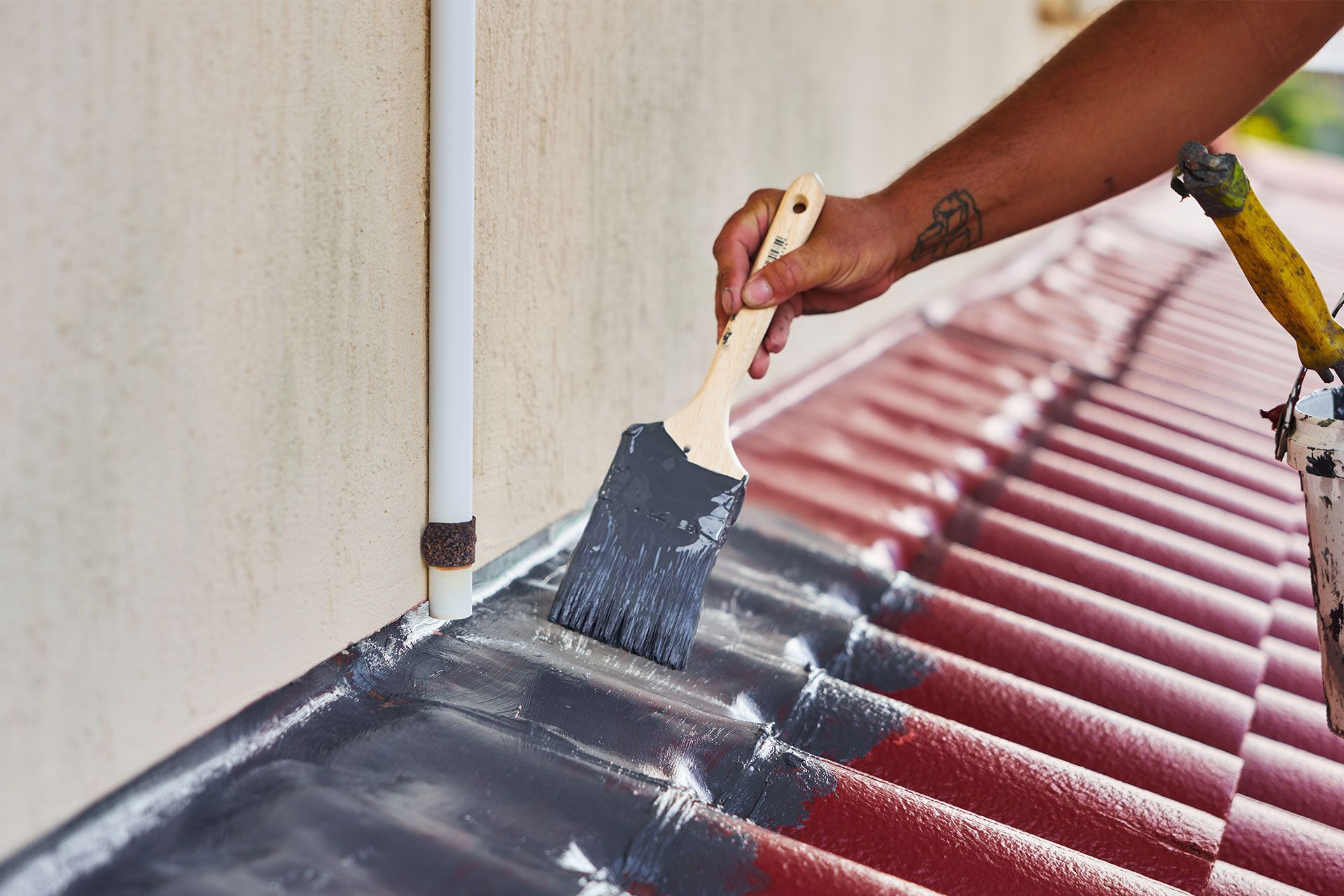
Bubbling or peeling paint is another clear message. It often points to trapped moisture underneath, which can push out and lift the finish. That paint isn’t just there for show—it protects the surface too. If it’s lifting or flaking off, the material underneath might be exposed to further damage.
Then there’s the roofline. Take a step back and look straight across it. Does it look slightly bowed, uneven, or sagged in areas? Shifts like these might mean weakened structural points or water collecting in places it shouldn’t. Some dips are hard to see unless you really look, but if you spot one, it’s worth a closer inspection.
What Brisbane Weather Leaves Behind
It’s easy to forget what months of wind, sun, and changing temperatures will do to a roof. Brisbane ends winter with cool, dry air, then runs straight into spring storms and thick humidity. The swing between those two seasons is where a lot of roof problems tend to show up. Dried-out sealants can turn brittle during winter, then heavy spring rains test every weak spot all at once.
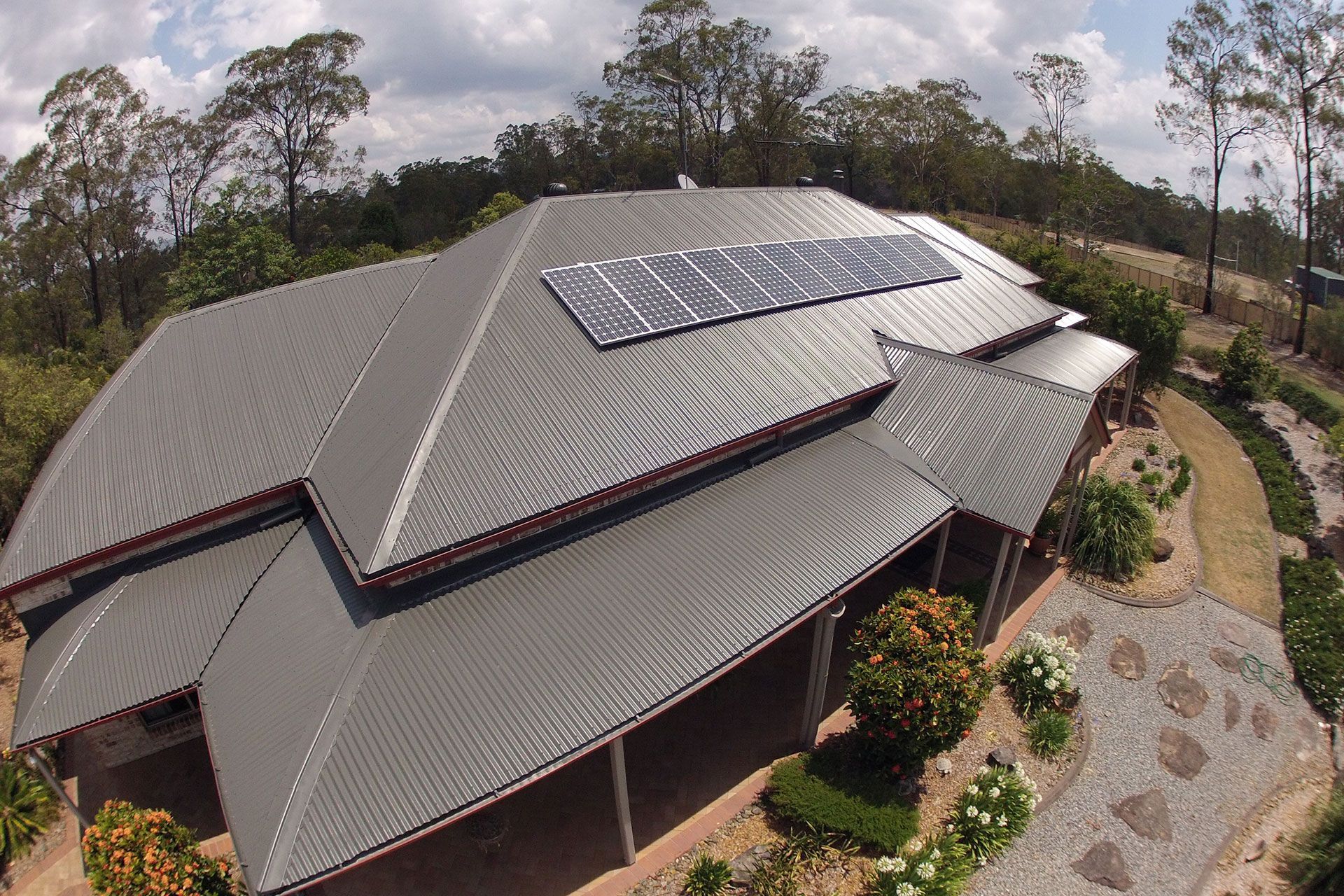
Common roofing materials like tile, terracotta, and metal each react differently to these swings. Tiles may crack under thermal pressure. Terracotta can absorb water and grow moss faster in damp corners. Metal sheeting may shift at junctions where fasteners loosen during long hot days then cool too fast at night.
Even tree coverage plays a role. Leaves, fruit pods, or broken branches can collect in gutters and valleys, holding moisture close to the roof surface. When debris gets trapped, water starts tracking beneath sheets or between tiles. That leads to rot, rust, and early wear—especially when it’s not cleared before the seasonal change.
Inside Clues That Shouldn’t Be Ignored
The signs aren’t always sitting up top. Sometimes, the first warning comes from inside the house. A faint stain on the ceiling, often yellow-brown, tells you there’s been water movement above. It doesn’t have to look dramatic to be serious. In fact, small stains left alone get darker, then spread. That’s a red flag that something has been leaking slowly over time.
If you notice odd smells in certain rooms—especially on the top floor—it could be damp insulation or collected moisture in the roof cavity. Sometimes the room just feels warmer or harder to cool even when the aircon is running. That could be due to insulation that’s wet, dislodged, or not working the way it should because of slow roof damage.
Pay attention to sudden changes in how your house feels. An unexplained rise in humidity, difficulty with cooling or heating, or musty smells that come and go could all point to roofing issues. These small internal signs often match problems that started on the roof but made their way down.
Why Quick Fixes Might Make Things Worse
It’s pretty tempting to throw a bit of paint over a worn patch or squeeze some sealant into a cracked joint and forget about it. But these quick fixes usually just push the real issue out of sight. We’ve seen cases where someone painted over rusty metal without cleaning it back or sealing proper joints. That trapped moisture underneath and sped up the damage.
DIY repairs usually miss what’s going on below the surface. That tiny drip might be coming from a cracked flashing that sits two metres away from where the ceiling is stained. It’s not always where it looks, and patch jobs don’t stop problems that are travelling underneath.
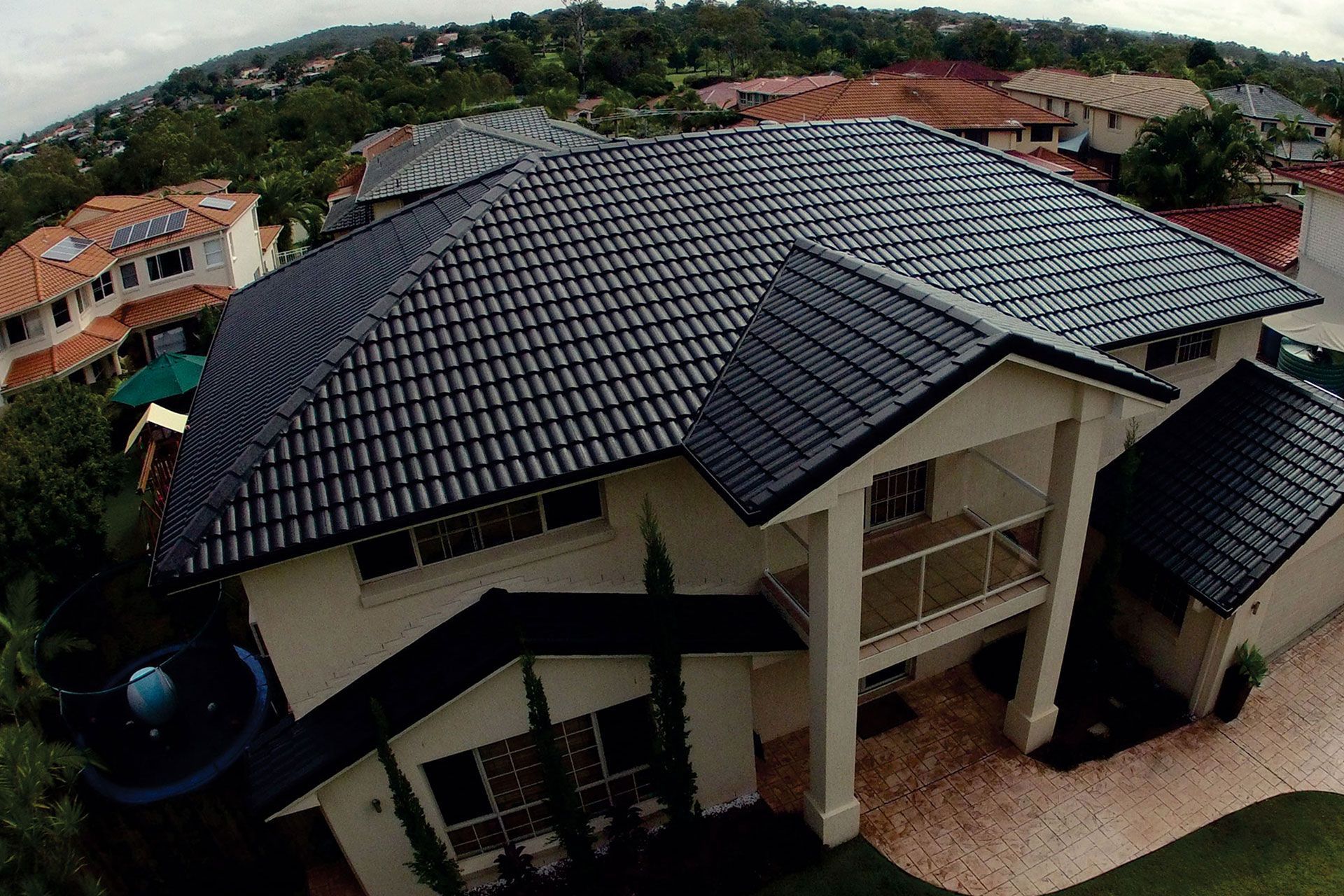
If your roof is showing several small issues or has had repeated patches over the years, it’s probably time to think about full inspection and professional repairs. Done properly, roof restoration in Brisbane can stabilise the structure and surface together, not just cover one and leave the other exposed.
When to Check and Why Timing Matters
August is one of the better times to take stock of your roof. It’s dry and cool, which suits inspection and light work if needed. Once spring storms start, that dry gap closes quickly. Any loose fixings, lifted sheeting, or brittle sealants get tested hard as the wind and rain return.
Planning ahead during this window means you’re not trying to schedule work during the busiest storm months or dealing with last-minute leaks. Problems spotted now are often easier to manage. Most of the time, we’ve found it takes less to fix damage early than it does later when things have grown worse.
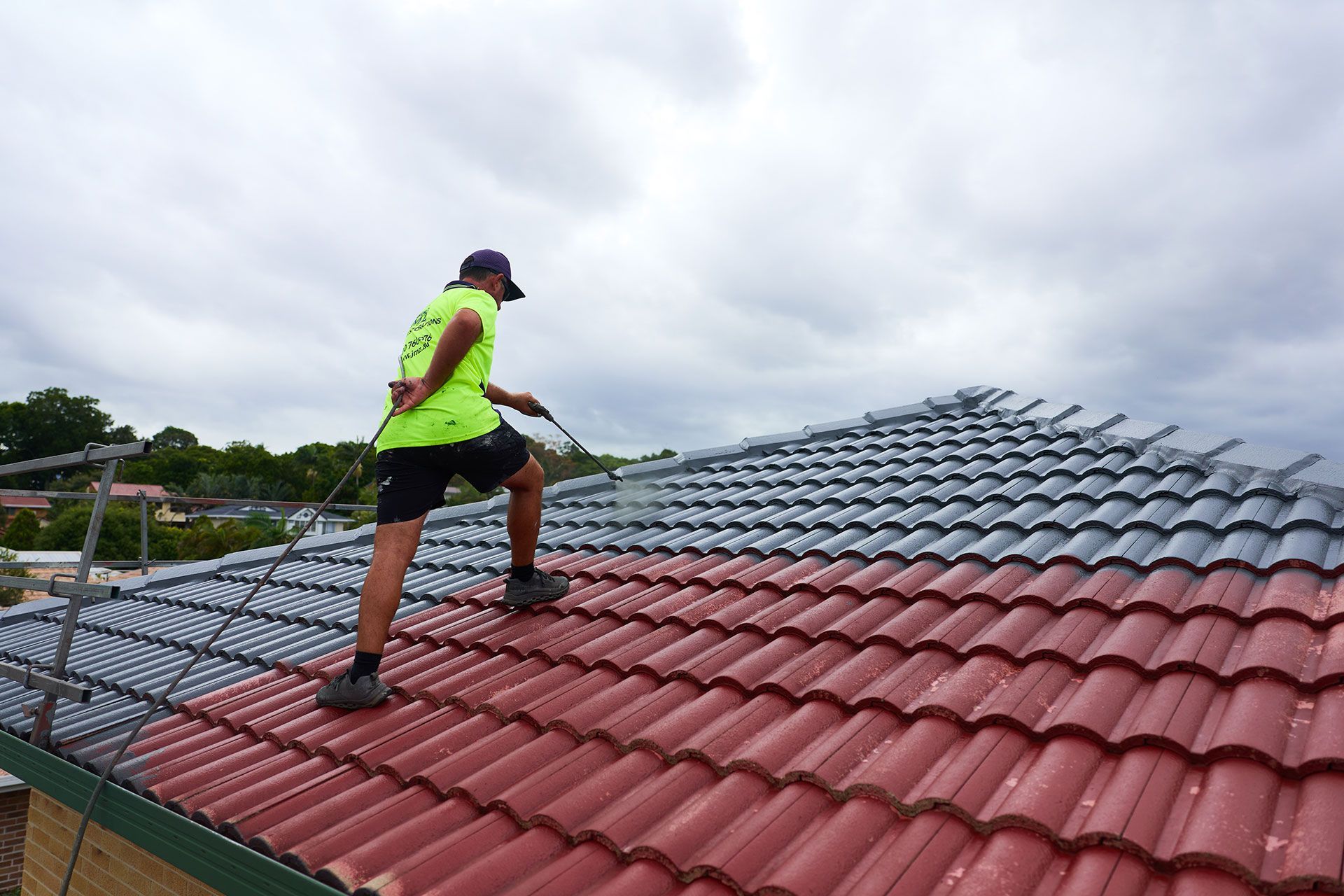
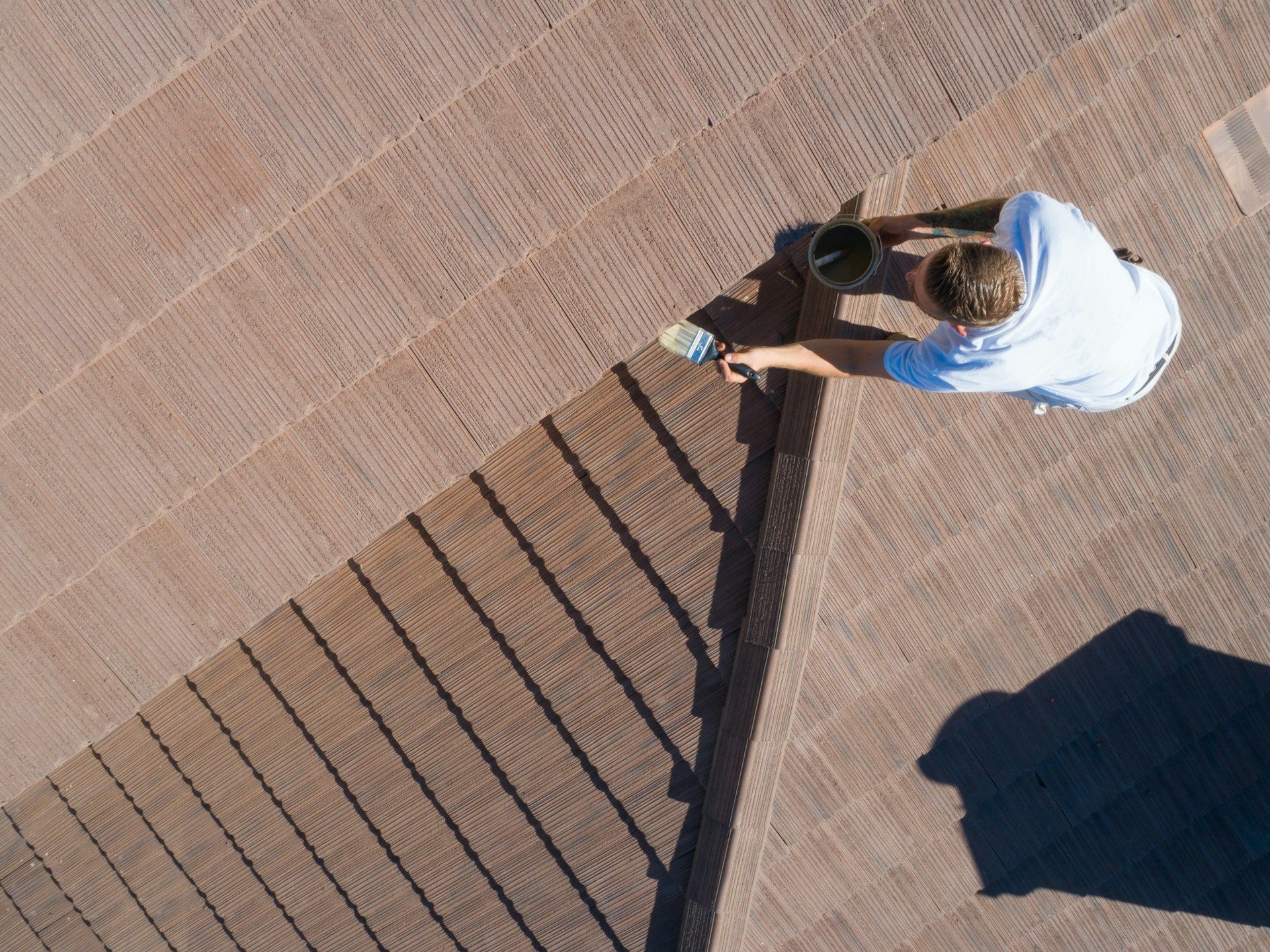
JMZ Roof Restorations uses a pressure washing process that clears off debris, leaves, and mould before inspection or painting. Their team works with all common roof types across Brisbane, from Colorbond to tile and terracotta, and provides tailored solutions for both body corporate and residential properties.
Think of this as a buffer. The more you catch now, the less you’re handling under pressure once the season flips.
Stay Ahead of Roof Repairs Before Spring Hits
Small things you notice now—faded colour, peeling paint, soft spots, ceiling stains—are worth paying attention to. They link back to weather exposure, water build-up, and wear that might have started months ago. None of these guarantees major trouble, but they often point to the start of something bigger.
Brisbane’s early spring weather can move in fast, bringing moisture and wind that doesn't do old or weakened roofs any favours. This short stretch of dry days is the chance to walk the yard, look up, and ask honest questions about the shape of your roof. A little attention now can mean far less worry once that first round of rain rolls through.
Roof looking tired or starting to show signs of storm wear? Now’s a good time to get ahead of it. We help homeowners across Brisbane stay dry and protected with full
roof restoration in Brisbane that suits the season and works with your roof type—whether it’s metal, tile or terracotta. At JMZ Roof Restorations, we know acting early can prevent bigger problems later.